
7 Powerful Lessons from Vermicomposting Workshop at Kamaraj Women’s College
Introduction to Vermicomposting Workshop
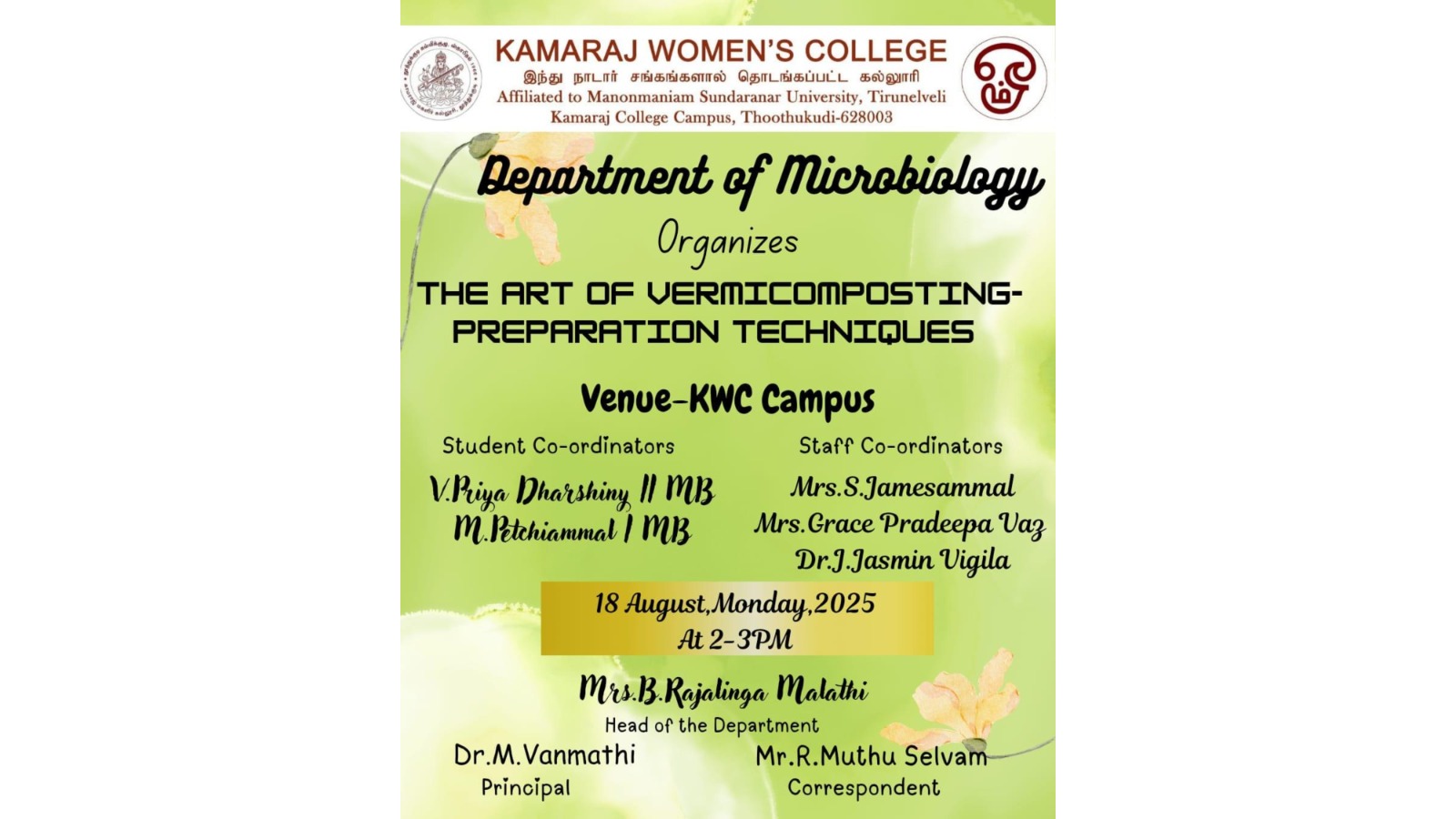
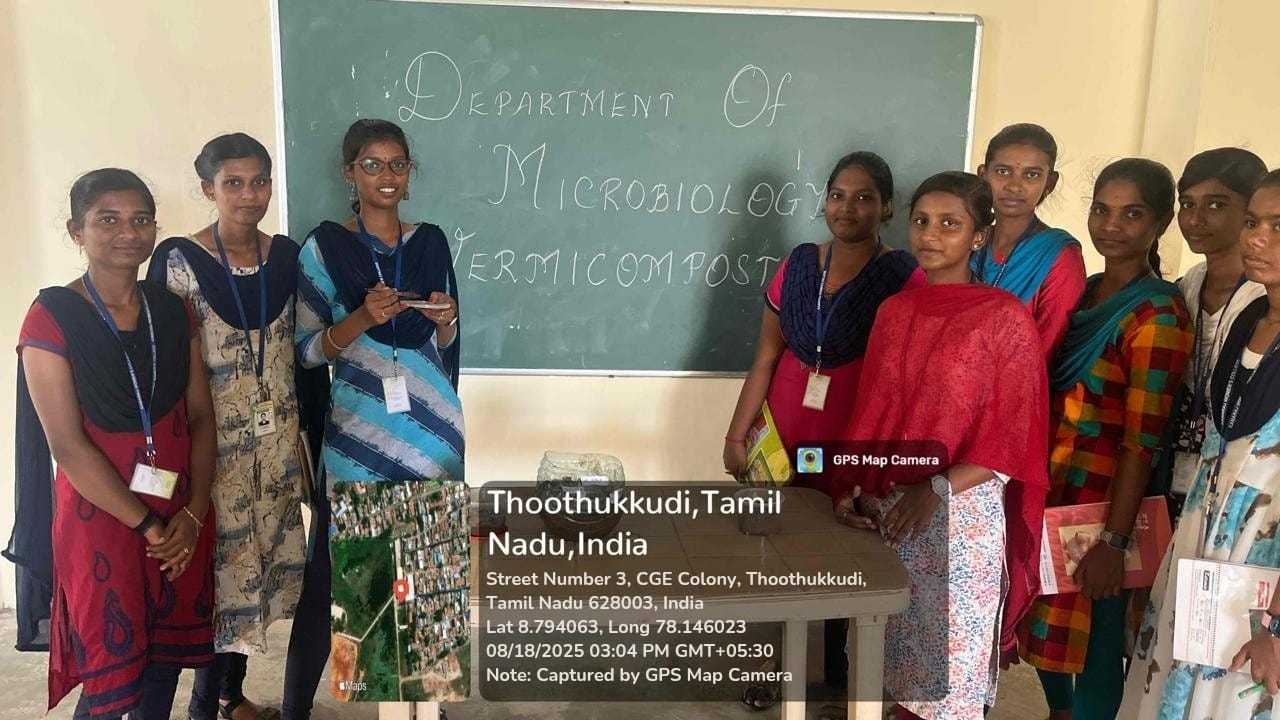
The Department of Microbiology at Kamaraj Women’s College organised an awareness programme on The Art of Vermicomposting – Preparation Techniques on 18th August 2025. The main purpose of the session was to promote eco-friendly waste management and encourage sustainable agricultural practices. The programme attracted a large number of students who were eager to learn practical methods of turning biodegradable waste into useful compost.
The event focused on the significance of vermicomposting, the scientific process behind it, and its direct benefits for agriculture and the environment. It also served as an opportunity for students to gain hands-on experience under the guidance of faculty members.
Technical Session on Vermicomposting
The technical session was led by the dedicated faculty members of the Microbiology Department. They explained in simple terms the importance of earthworms in the composting process. The talk highlighted how earthworms break down organic waste and transform it into nutrient-rich organic manure.
The resource persons discussed the different stages of vermicomposting and the environmental conditions required for microbial and worm activity. They also explained the need for proper aeration, moisture control, and hygiene in compost preparation.
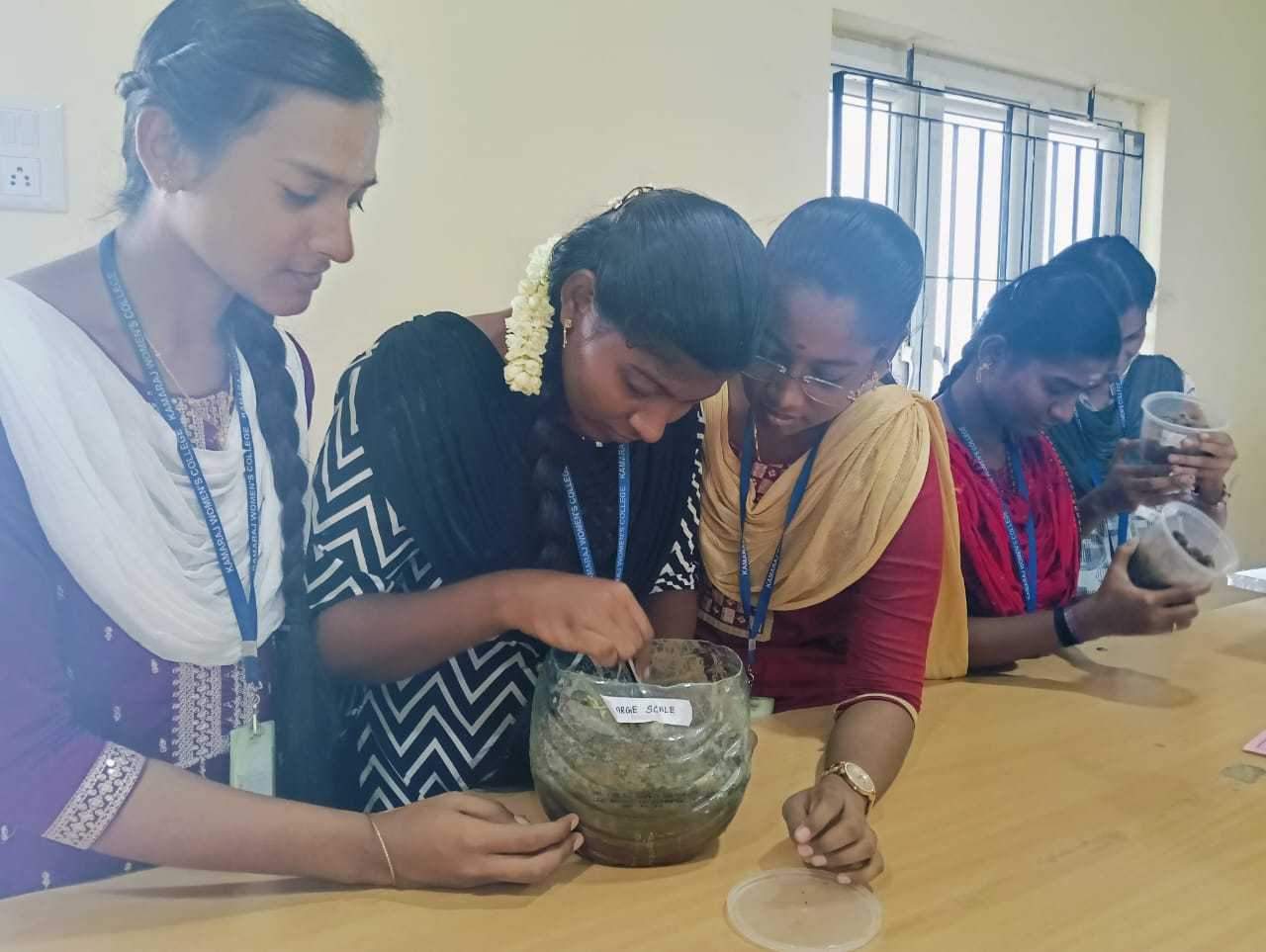
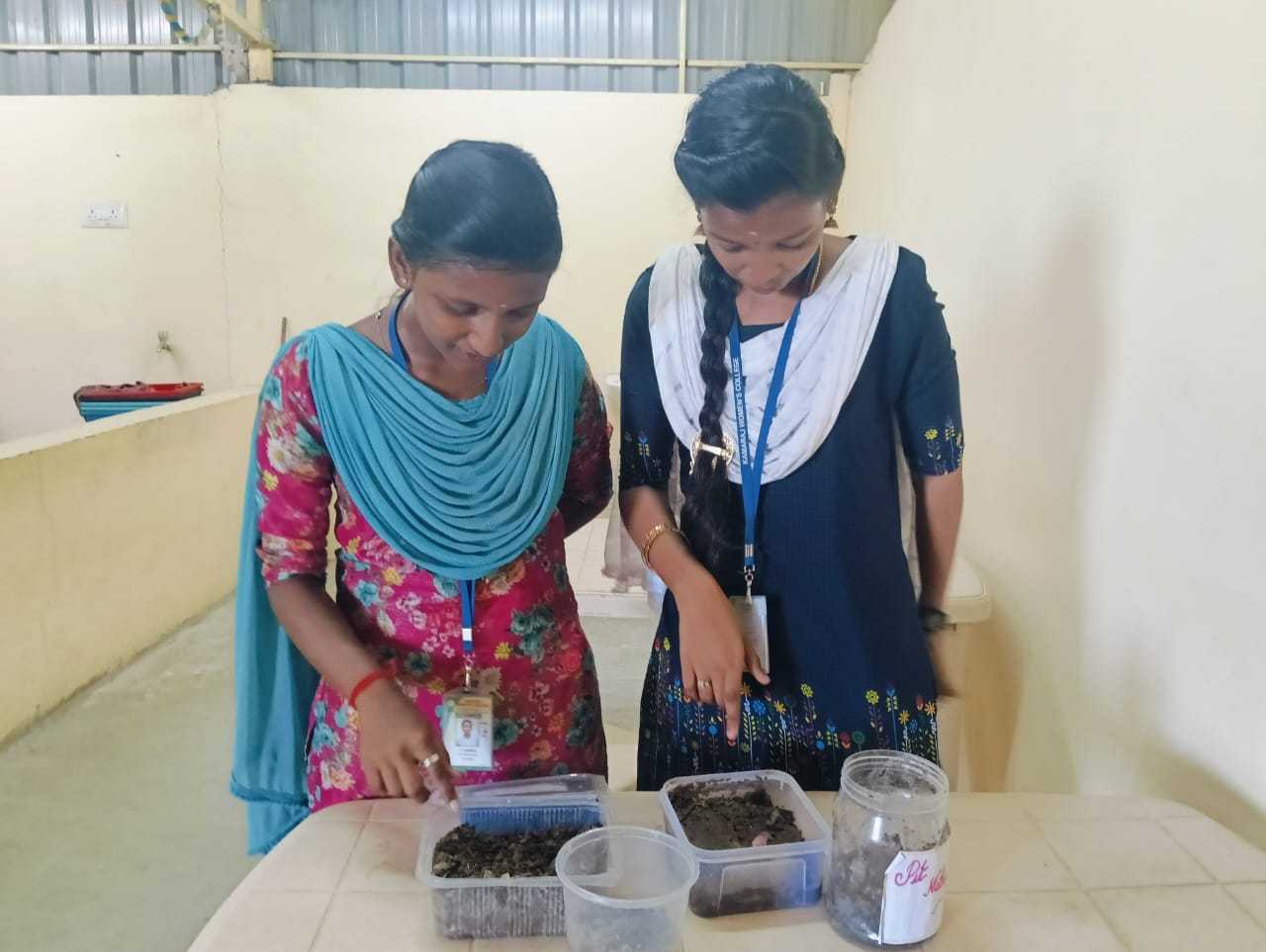
To make the session practical, live demonstrations were conducted. Students witnessed:
- Selection of biodegradable waste materials suitable for composting.
- Preparation of composting pits with proper layering and ventilation.
- Identification of earthworm species commonly used in vermicomposting.
- Techniques for handling earthworms safely and maintaining healthy compost units.
The student coordinators actively assisted in the demonstrations. Their involvement created an interactive learning environment and ensured smooth coordination between faculty and participants. The use of visual aids and real-life examples made the entire process easy to understand even for beginners.
Interactive Discussion with Participants
The programme included an interactive segment that encouraged students to raise questions and share their thoughts. Several important queries were discussed during this session.
Students wanted to know the time required to prepare quality compost and the steps to prevent foul odour during the process. They also enquired about the commercial value of vermicompost in the agricultural market. In addition, students showed interest in the role of microbial diversity and how it improves the nutritional quality of the final compost.
The faculty members answered these questions with clarity and practical examples. They linked scientific knowledge with real agricultural practices, which helped students understand the relevance of vermicomposting for farmers as well as the larger community.
Outcomes and Key Learnings
The workshop delivered many important outcomes for the participants. Students not only gained theoretical insights but also practical exposure. Some of the key takeaways included:
- Students gained hands-on knowledge about vermicomposting preparation techniques.
- Participants understood how vermicomposting solves two issues at once: waste management and soil fertility.
- Awareness was created about the entrepreneurial potential of vermicomposting for rural and urban communities.
- The session highlighted the role of microbiological research in promoting sustainable farming and environmental protection.
Broader Impact of Vermicomposting
The programme helped students see vermicomposting as more than just a classroom activity. They realised it can reduce landfill waste and improve the quality of soil used in agriculture. By encouraging the use of organic manure, vermicomposting supports healthier crop production and reduces the dependency on chemical fertilizers.
Moreover, the workshop showed how young students can take part in eco-friendly initiatives that contribute to sustainable development. Many participants felt motivated to try vermicomposting at their homes or farms. Some even expressed interest in exploring it as a small business idea.
Conclusion
The workshop on Vermicomposting Preparation Techniques proved to be a valuable experience for the students of Kamaraj Women’s College. It successfully combined scientific knowledge with practical demonstrations, which made the learning process more engaging.
The Department of Microbiology played a crucial role in guiding students towards sustainable practices that benefit both society and the environment. The programme not only educated students about the science of vermicomposting but also inspired them to take action for a greener future.