

Student Mentoring Promotes Personal and Academic Growth at KWC

Report on Mentoring for Student Development
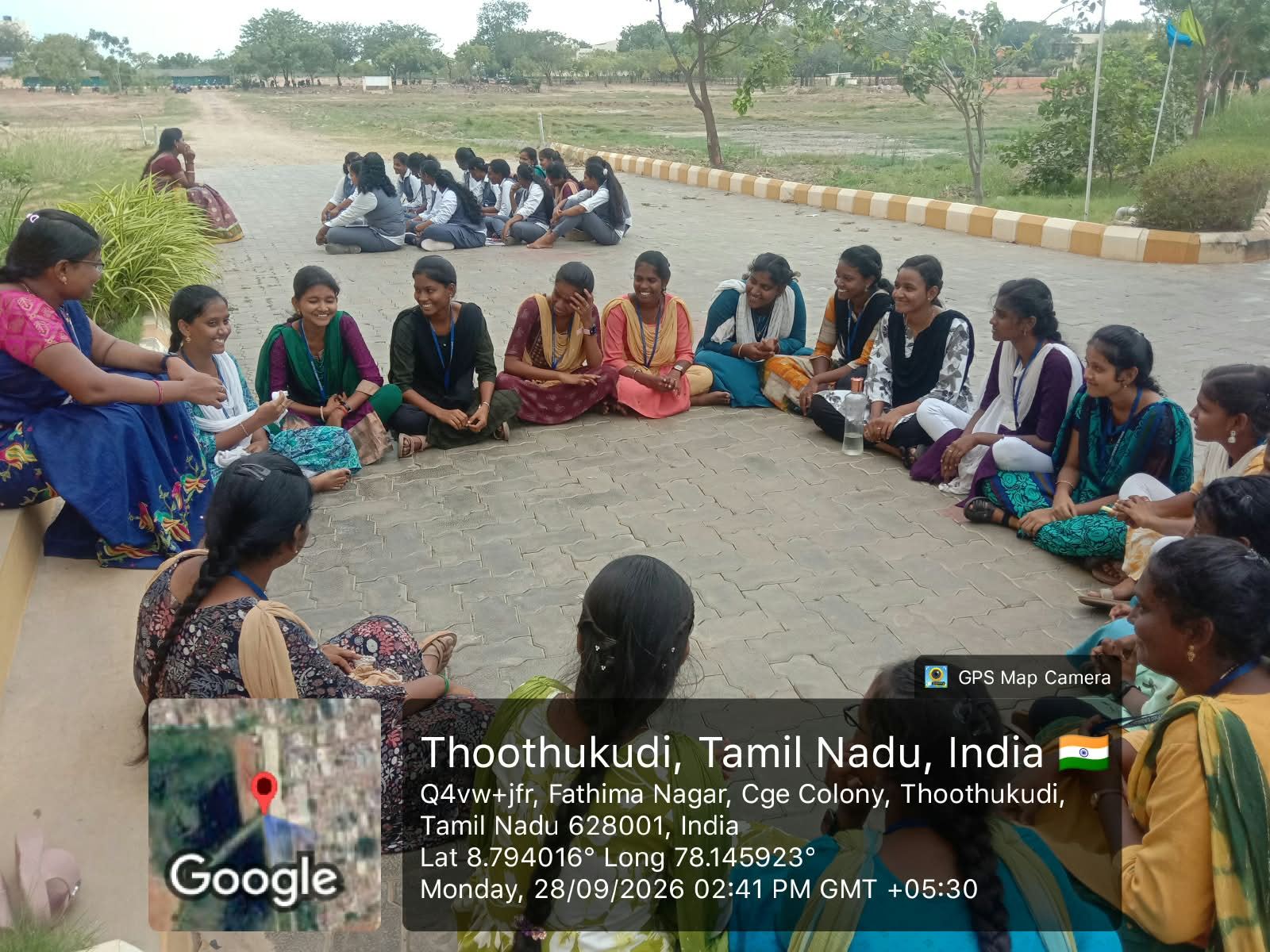
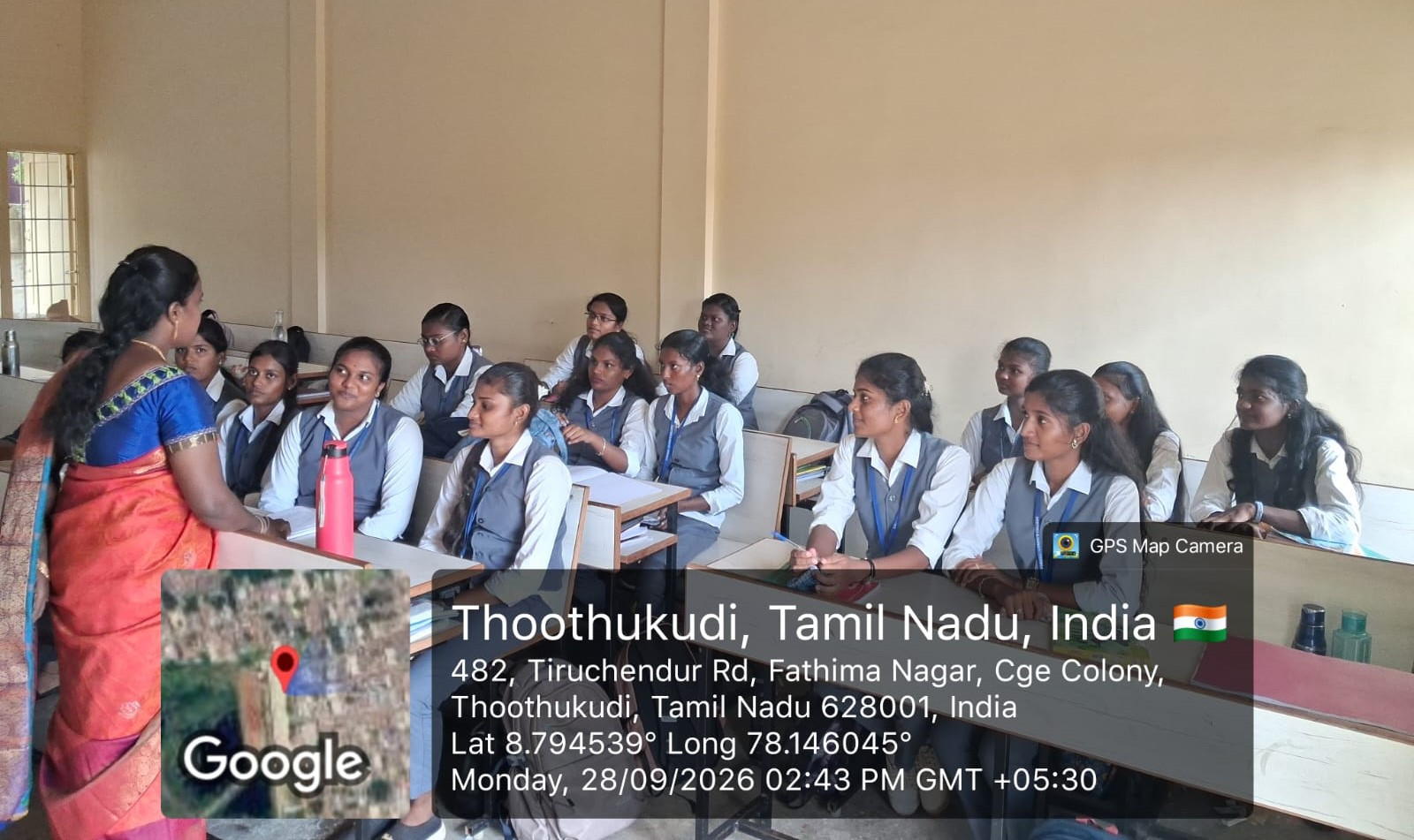
The Mental Well-Being Club of Kamaraj Women’s College, Thoothukudi, organized a Student Mentoring programme on 28 September 2026 from 2.00 p.m. to 3.00 p.m. in the respective mentors’ classrooms.
The programme aimed to guide and motivate students towards positive values, personal development, discipline, confidence and academic growth. Moreover, the session encouraged students to communicate openly with their mentors and seek guidance whenever they faced academic or personal difficulties.
The programme took place under the coordination of Dr. Jeyalakshmi, Head, Department of Business Administration and Staff Coordinator.
Objectives of Student Mentoring
The programme focused on the following objectives:
- Promote positive values among students
- Encourage discipline and responsibility
- Develop confidence and a positive attitude
- Support academic improvement
- Encourage personal development
- Build open communication between mentors and mentees
- Promote mutual respect and supportive relationships
- Help students set realistic goals
- Encourage consistent effort towards achieving goals
Thus, the programme combined mentoring, motivation, academic guidance and personal development.
Positive Values and Discipline
The session began with a warm welcome to the mentors and mentees.
Mentors discussed the importance of maintaining positive values and discipline during student life. They encouraged students to understand how responsible behaviour and consistent habits can support their overall development.
Furthermore, the session highlighted the importance of approaching academic and personal responsibilities with a positive attitude.
This guidance encouraged students to reflect on their daily habits and responsibilities.
Building Confidence and a Positive Attitude
Developing confidence formed an important part of the Student Mentoring session.
Mentors encouraged students to believe in their abilities and approach challenges with a positive outlook. Moreover, they motivated mentees to develop confidence gradually through consistent effort and responsible choices.
The session helped students understand that personal growth requires patience, self-awareness and continued effort.
Therefore, mentors encouraged them to focus on progress rather than become discouraged by difficulties.
Academic Guidance
The programme gave special attention to academic improvement.
Mentors guided students on improving their approach towards studies and encouraged them to remain focused on their academic responsibilities.
Furthermore, the interaction gave mentees an opportunity to discuss difficulties that could affect their academic progress.
Through individual guidance and encouragement, mentors helped students identify ways to work towards better academic development.
Personal Development
The mentoring session also focused on the overall personal development of students.
Mentors encouraged mentees to develop responsibility, confidence, discipline and a positive attitude. In addition, they emphasized the importance of understanding personal strengths and working steadily on areas that need improvement.
The session therefore looked beyond academic performance and supported the broader development of students.
Open Communication with Mentors
An important objective of the programme was to strengthen communication between mentors and mentees.
Students were encouraged to communicate their difficulties openly with their mentors. Moreover, the session created an opportunity for them to seek guidance in a supportive environment.
Open communication can help mentors understand the concerns of students more clearly. At the same time, it can help mentees feel more comfortable asking for guidance when required.
Thus, the programme strengthened the value of a supportive mentor-mentee relationship.
Mutual Respect and Responsibility
The session highlighted the importance of mutual respect, responsibility and supportive relationships.
Mentors encouraged students to respect others while also taking responsibility for their own choices and actions.
Furthermore, the programme emphasized that a healthy mentoring relationship depends on trust, communication and mutual understanding.
These values can support students in both their academic life and personal interactions.
Goal Setting and Consistent Effort
Goal setting formed another important part of the programme.
Mentors encouraged students to set realistic and achievable goals. They also emphasized the importance of working consistently towards those goals rather than expecting immediate results.
Moreover, the session encouraged students to remain focused and review their progress regularly.
This guidance helped mentees understand that meaningful academic and personal growth develops through steady effort.
Supporting Student Well-Being
As an initiative of the Mental Well-Being Club, the programme encouraged students to understand the value of supportive relationships and positive communication.
The mentoring process gave students an opportunity to share concerns, receive guidance and reflect on their academic and personal goals.
Furthermore, the programme promoted a supportive environment in which students could approach their mentors when they needed guidance.
Thus, the session connected mentoring with the broader goal of student well-being and development.
Role of Mentors
Mentors played an important role throughout the programme.
They listened to students, provided guidance and encouraged them to approach their responsibilities with confidence and discipline.
Moreover, mentors motivated students to communicate openly instead of keeping their difficulties to themselves.
Their guidance helped create a supportive learning environment and strengthened the relationship between mentors and mentees.
Learning Beyond Academics
The Student Mentoring programme focused not only on academic performance but also on qualities that support students in everyday life.
The discussions covered values, discipline, confidence, responsibility, communication and goal setting.
Therefore, the session encouraged students to view education as a process that includes both academic learning and personal development.
This broader approach made the mentoring session meaningful for the mentees.
Programme Outcomes
The Student Mentoring programme provided the following outcomes:
- Students understood the importance of positive values
- Mentees received guidance on maintaining discipline and responsibility
- The session encouraged students to develop confidence
- Students received guidance for academic improvement
- The programme supported personal development
- Mentees were encouraged to communicate their difficulties openly
- The session strengthened mutual respect between mentors and mentees
- Students understood the value of supportive relationships
- Mentors encouraged students to set realistic goals
- The programme promoted consistent effort towards academic and personal growth
Overall, the programme strengthened confidence, discipline, communication, responsibility and goal-oriented thinking among the students.
Conclusion of the Student Mentoring Programme
The Student Mentoring programme organized by the Mental Well-Being Club of Kamaraj Women’s College provided useful guidance and motivation to the mentees.
Through discussions with their mentors, students gained guidance on positive values, discipline, confidence, academic improvement, personal development and goal setting. Moreover, the programme encouraged them to communicate openly and develop supportive relationships with their mentors.
The session concluded with an encouraging message that motivated students to remain positive, responsible and consistent in working towards their goals.
Overall, the programme successfully supported the academic and personal development of the mentees while strengthening meaningful communication between students and their mentors.