
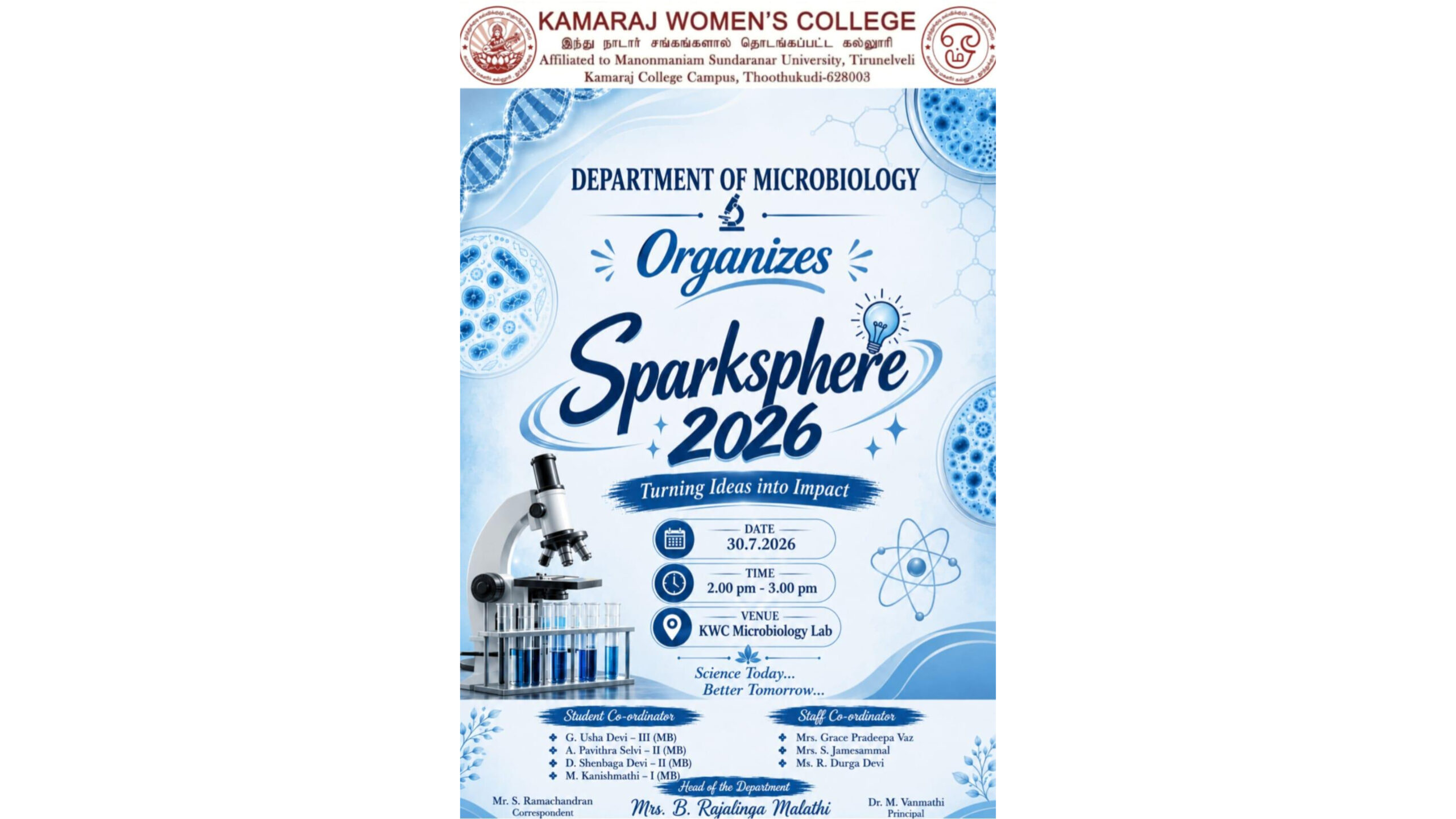
Sparksphere 2026 Science Model Exhibition Showcases Innovation
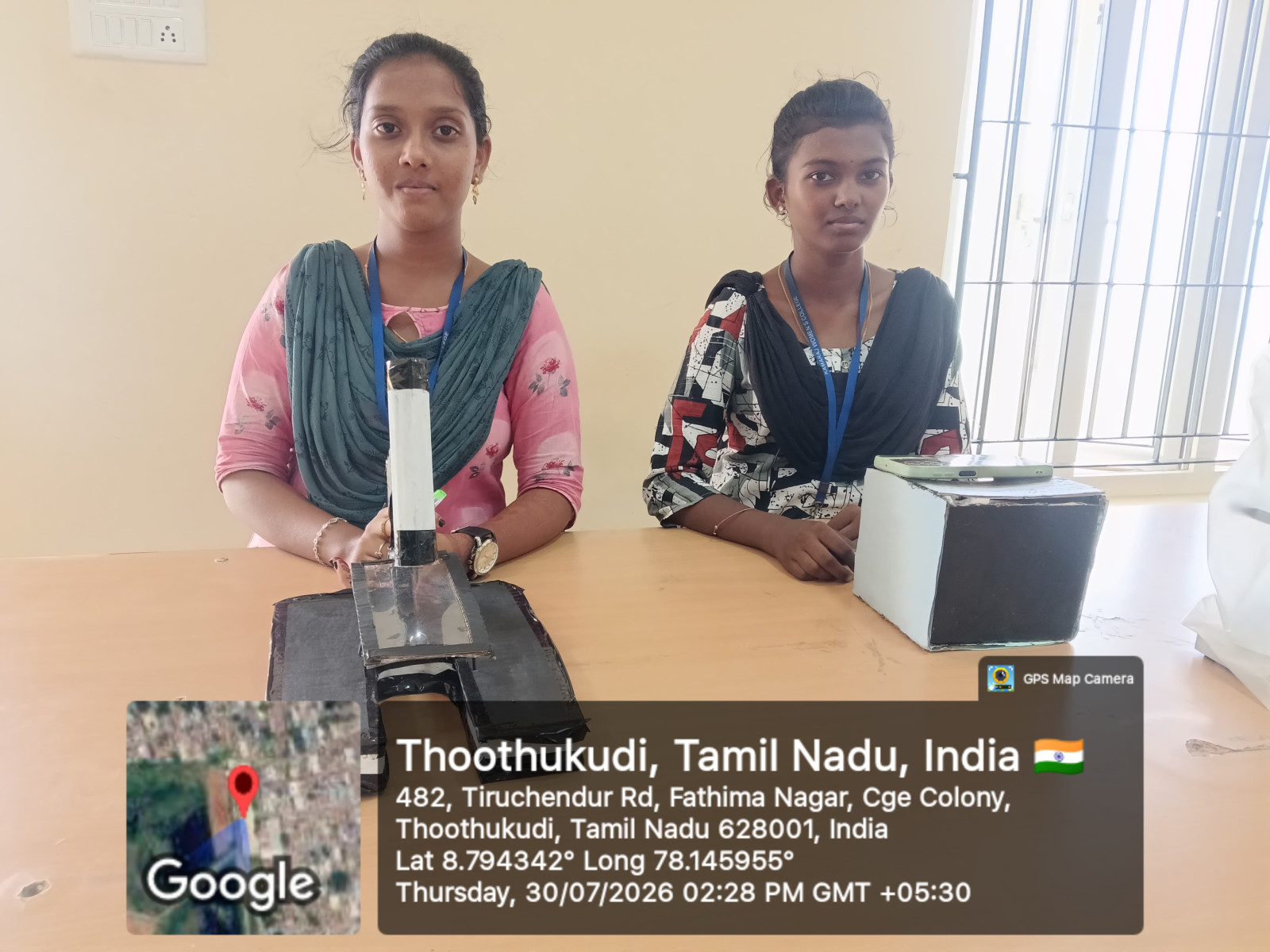
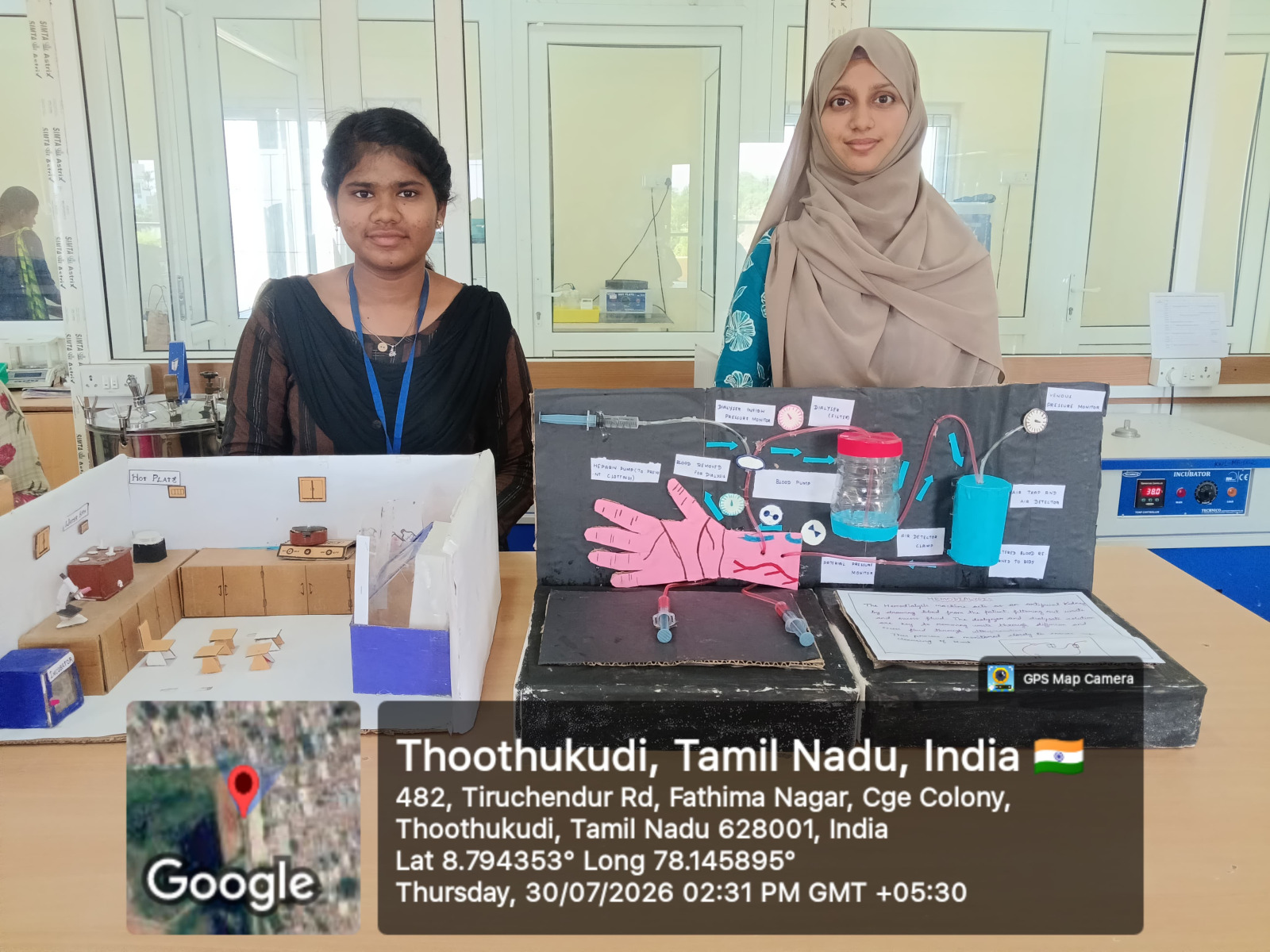
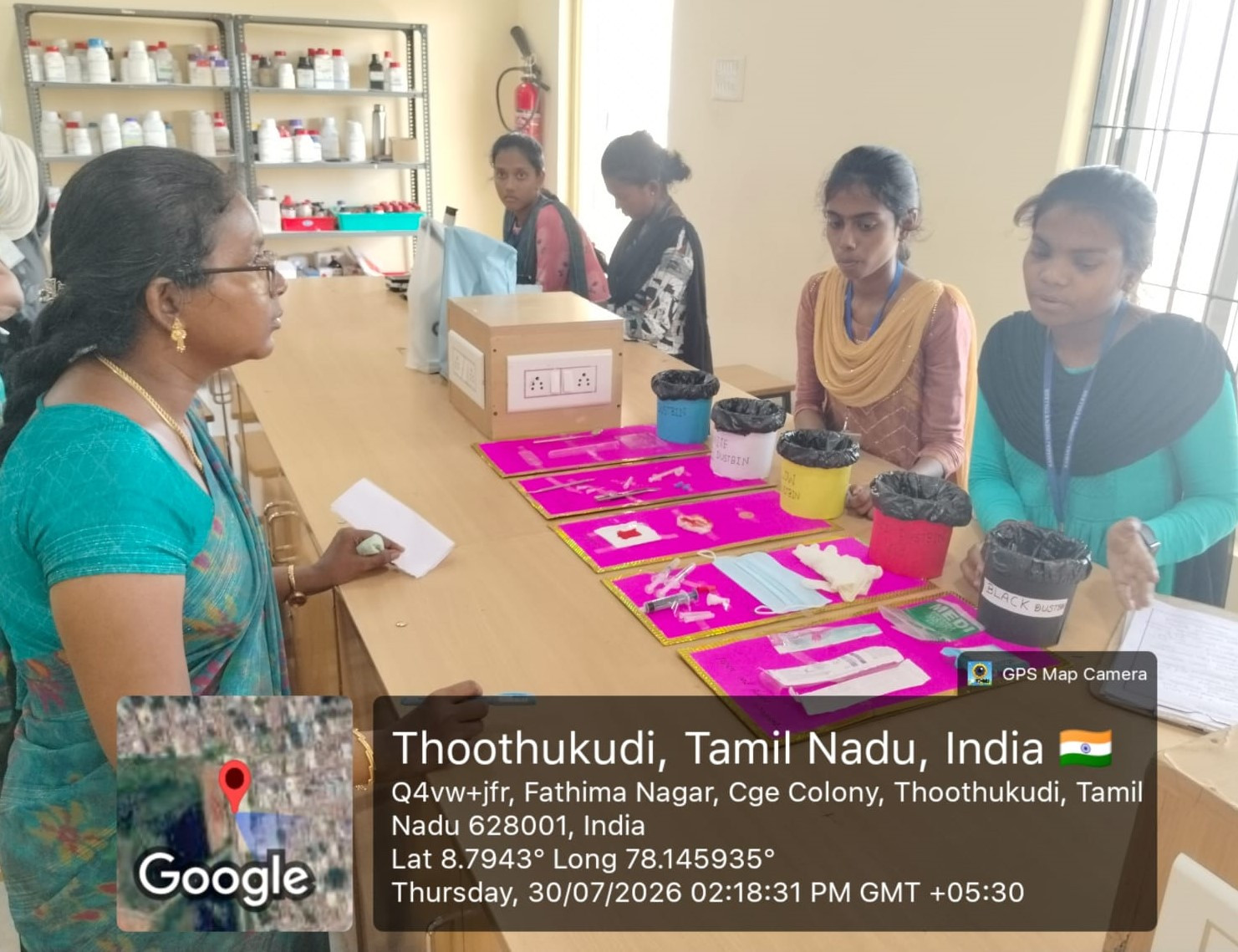
Report on Sparksphere 2026 Science Model Exhibition
The Department of Microbiology, Kamaraj Women’s College, Thoothukudi, successfully organized “Sparksphere 2026”, a Science Model Exhibition, on 30 July 2026 from 2.00 p.m. to 3.00 p.m. at the KWC Microbiology Laboratory. The exhibition was conducted under the inspiring theme “Turning Ideas into Impact” with the objective of encouraging scientific curiosity, promoting innovative thinking, and helping students transform classroom knowledge into practical scientific applications.
The event provided students with an excellent platform to present their innovative ideas, improve their research skills, and demonstrate the practical applications of science. Moreover, the exhibition encouraged students to develop creative solutions to real-world challenges through scientific thinking and teamwork.
Objectives of the Programme
The Sparksphere 2026 Science Model Exhibition was organized with the following objectives:
- Encourage scientific curiosity and innovative thinking
- Promote experiential and inquiry-based learning
- Transform theoretical knowledge into practical applications
- Develop research and problem-solving skills
- Strengthen communication and presentation abilities
- Promote sustainable scientific solutions for society
- Inspire students to pursue research-oriented learning
Therefore, the exhibition encouraged students to explore science creatively while addressing important environmental and social issues.
Inaugural Session
The programme began with a warm welcome to the participants, faculty members, and visitors.
Next, the organizers introduced the theme “Turning Ideas into Impact” and explained the purpose of the exhibition. They encouraged students to think creatively, apply scientific principles, and develop innovative solutions that could benefit society.
As a result, the exhibition created an enthusiastic and inspiring learning environment for everyone present.
Display of Innovative Science Models
Students enthusiastically displayed a wide range of innovative science models representing different branches of science and microbiology.
The exhibits covered several important areas, including:
- Microbiology
- Biotechnology
- Environmental Science
- Healthcare
- Food Microbiology
- Waste Management
- Renewable Energy
- Public Health
- Sustainable Scientific Solutions
Furthermore, each model reflected the students’ creativity, analytical thinking, and ability to explain scientific concepts in a simple and effective manner.
Interactive Exhibition Experience
The KWC Microbiology Laboratory was transformed into an interactive exhibition space where visitors explored a variety of scientific exhibits.
The exhibition featured:
- Working models
- Static models
- Scientific charts
- Project prototypes
- Practical demonstrations
Students confidently explained the objectives, methodology, scientific principles, applications, advantages, and future scope of their projects.
Moreover, their presentations demonstrated excellent communication skills, subject knowledge, and confidence while interacting with faculty members and visitors.
Focus on Contemporary Scientific Challenges
Several student projects addressed important global and environmental challenges.
The models focused on:
- Environmental pollution
- Plastic waste management
- Water purification
- Antimicrobial resistance
- Food preservation techniques
- Biofertilizers
- Bioremediation
- Renewable energy sources
- Disease prevention
- Personal hygiene and public health
- Role of microorganisms in improving human life
In addition, innovative models promoting sustainable development and eco-friendly technologies received special appreciation from the visitors and faculty members.
Faculty Interaction and Evaluation
Faculty members visited every exhibit and interacted with the participants throughout the exhibition.
They appreciated the originality, scientific reasoning, creativity, and presentation skills demonstrated by the students.
Furthermore, the faculty members provided constructive suggestions to improve the practical applications and future development of the projects.
These discussions created a vibrant academic environment and encouraged students to exchange ideas and learn from one another.
Experiential Learning Through Science
The exhibition served as an excellent platform for experiential learning.
By designing and presenting their science models, students developed:
- Research skills
- Problem-solving abilities
- Critical thinking
- Scientific reasoning
- Creativity and innovation
- Teamwork and collaboration
- Presentation and communication skills
Consequently, the students learned to apply classroom concepts to real-life situations and gained confidence in presenting scientific ideas before an audience.
Visitor Appreciation
Visitors appreciated the systematic arrangement of the exhibits and the clarity with which the students explained complex scientific concepts.
They also admired the dedication shown by the participants in designing the models, collecting scientific information, conducting research, and presenting their projects confidently.
Moreover, the exhibition reflected the department’s continuous efforts to promote inquiry-based learning, innovation, and scientific excellence among students.
Role of Student and Staff Coordinators
The student coordinators efficiently managed every aspect of the exhibition.
They organized the exhibits, guided the participants, welcomed visitors, maintained the programme schedule, and ensured the smooth conduct of the event.
Meanwhile, the staff coordinators supervised the overall arrangements, evaluated the exhibits, and motivated the participants throughout the exhibition.
Their continuous guidance and encouragement played a vital role in making Sparksphere 2026 a grand success.
Student Participation
Students from various classes of the Department of Microbiology actively participated in the exhibition with great enthusiasm.
Their innovative ideas, scientific knowledge, and confident presentations created a vibrant learning atmosphere.
Moreover, the programme encouraged students to think beyond textbooks, identify practical solutions for societal problems, and appreciate the value of scientific research.
Their active involvement made the exhibition highly interactive, informative, and inspiring.
Programme Outcomes
The Sparksphere 2026 Science Model Exhibition successfully achieved its objectives.
The exhibition enabled students to:
- Develop scientific curiosity and creativity
- Apply theoretical knowledge to practical situations
- Strengthen research and analytical skills
- Improve communication and presentation abilities
- Develop teamwork and leadership qualities
- Promote innovative and sustainable scientific solutions
- Build confidence in presenting scientific ideas
- Develop a research-oriented mindset
As a result, the students gained valuable practical exposure and strengthened their commitment to scientific learning and innovation.
Conclusion
The Department of Microbiology successfully organized Sparksphere 2026, creating an inspiring platform for scientific exploration and innovation.
The exhibition effectively combined theoretical knowledge with practical applications and encouraged students to develop meaningful scientific solutions for environmental and societal challenges.
Overall, Sparksphere 2026 was an intellectually enriching and highly successful event. It strengthened scientific awareness, promoted innovation, enhanced practical learning, and motivated students to continue exploring science with curiosity, creativity, and a commitment to building a better future.