
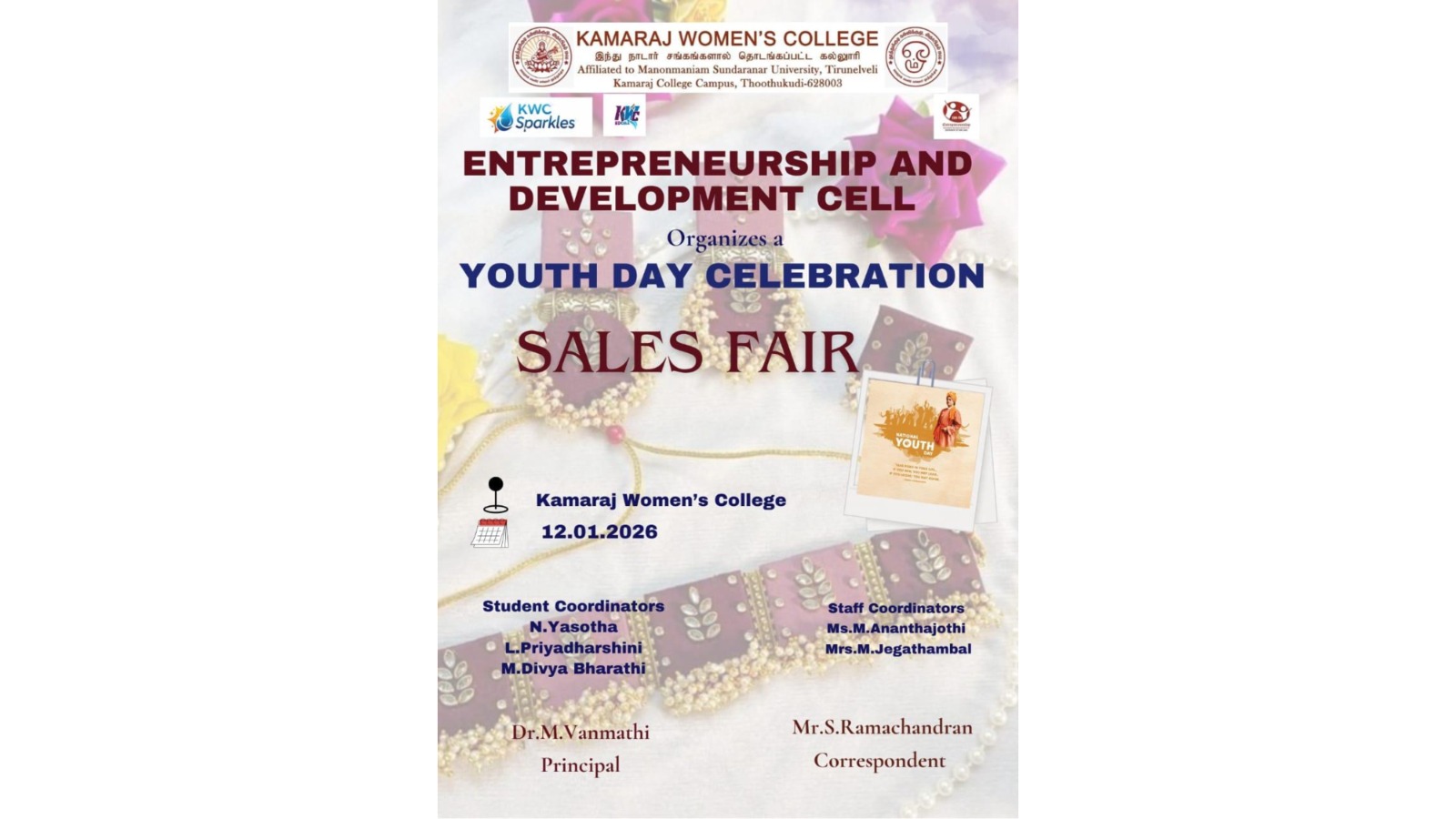
Sales Fair: Empowering Young Entrepreneurs on National Youth Day
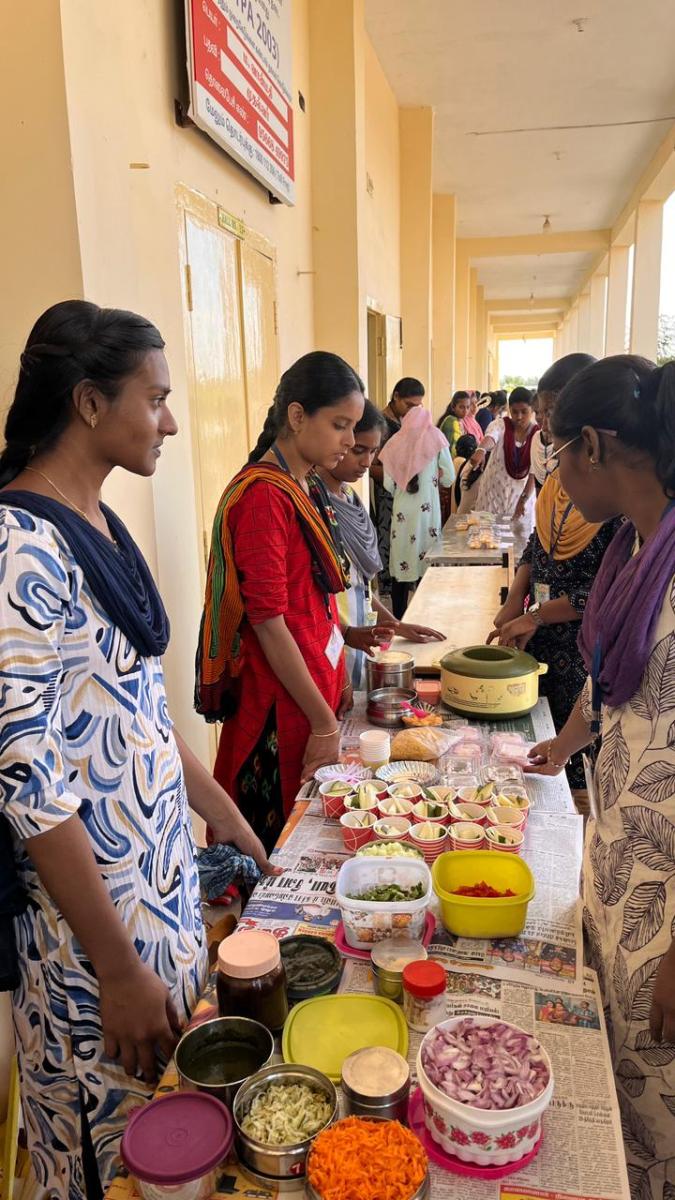
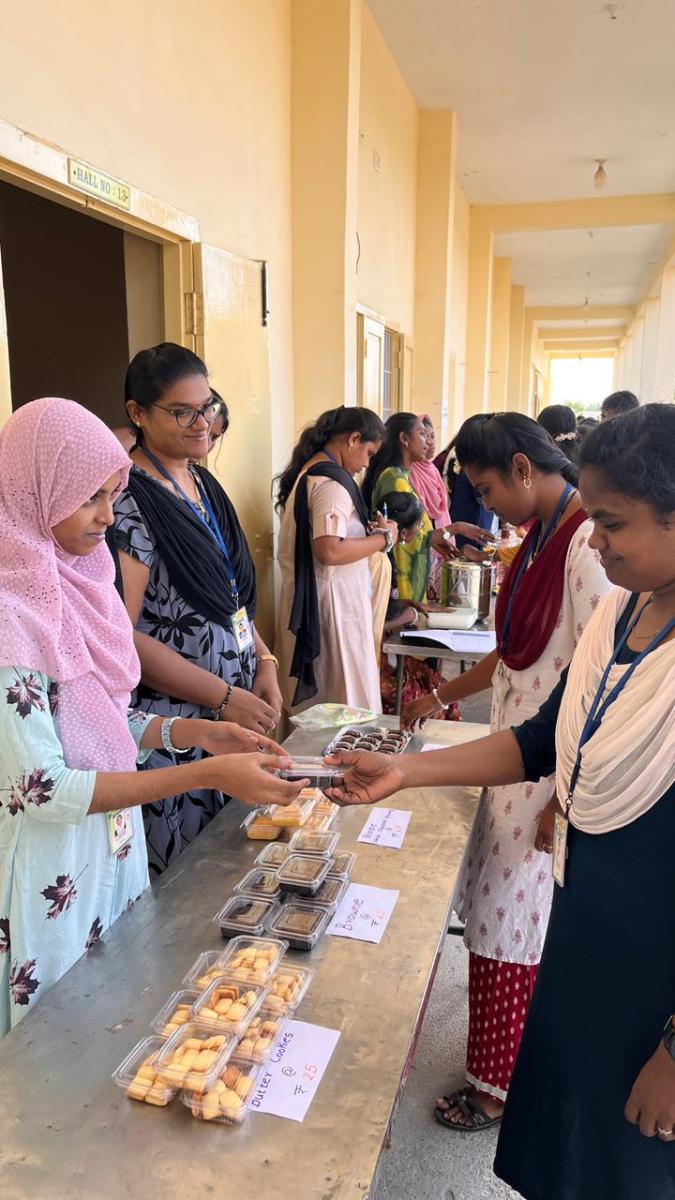
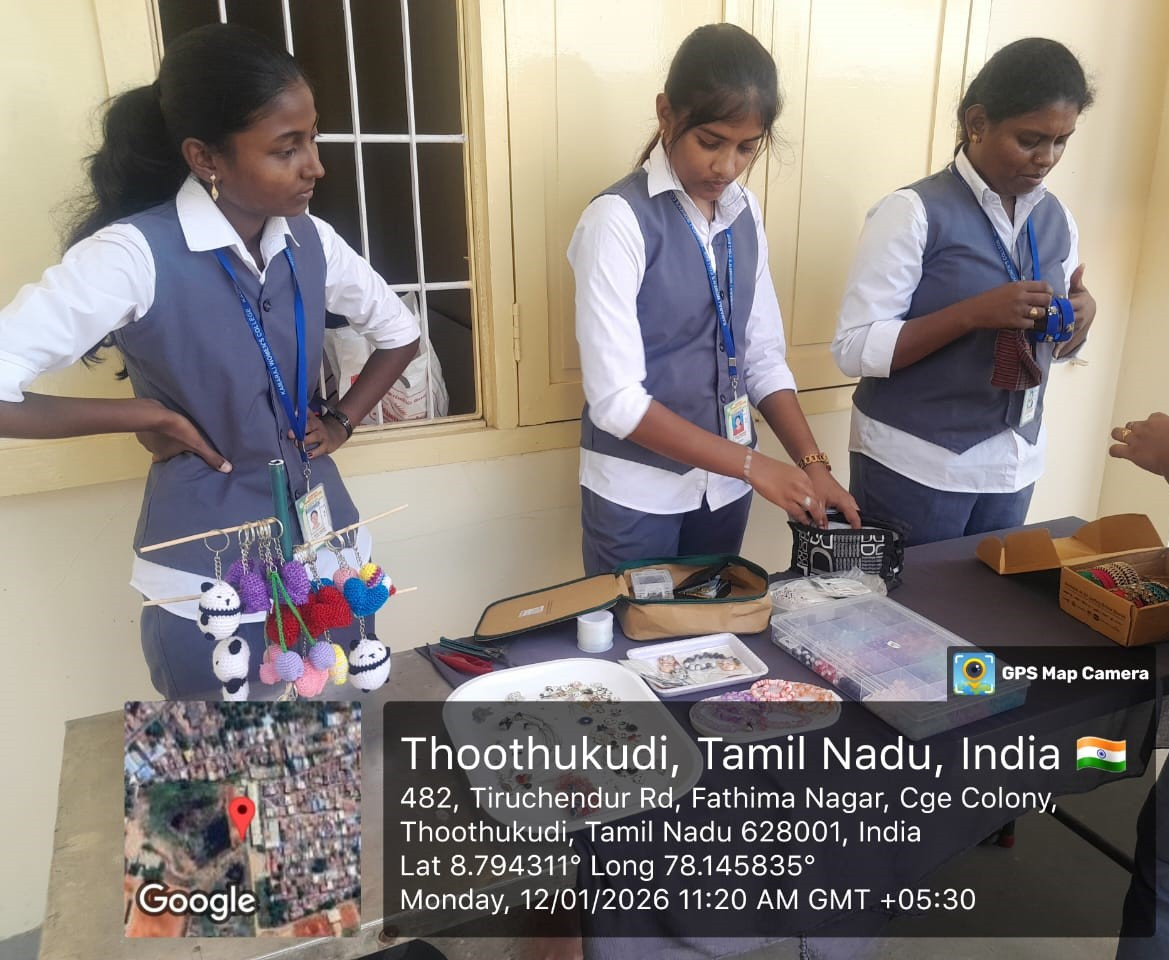
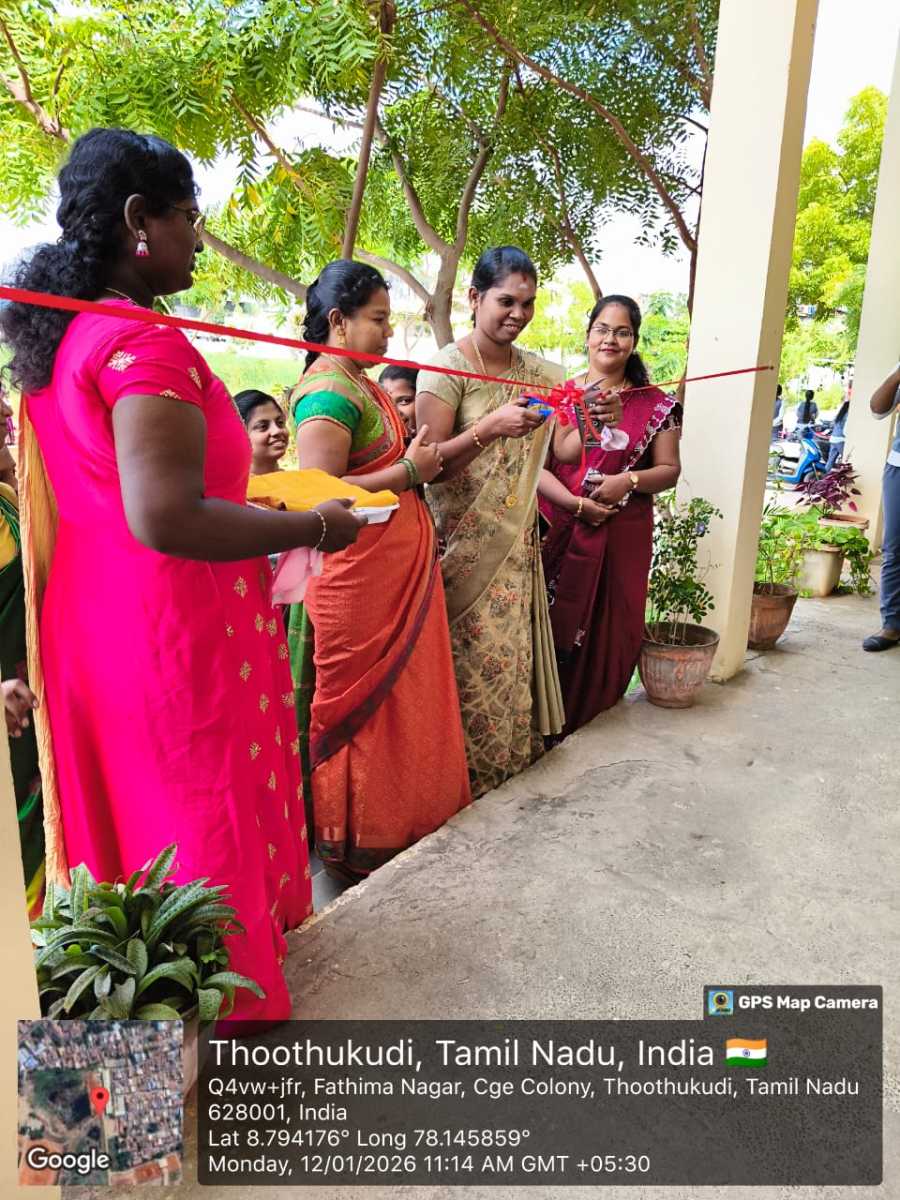
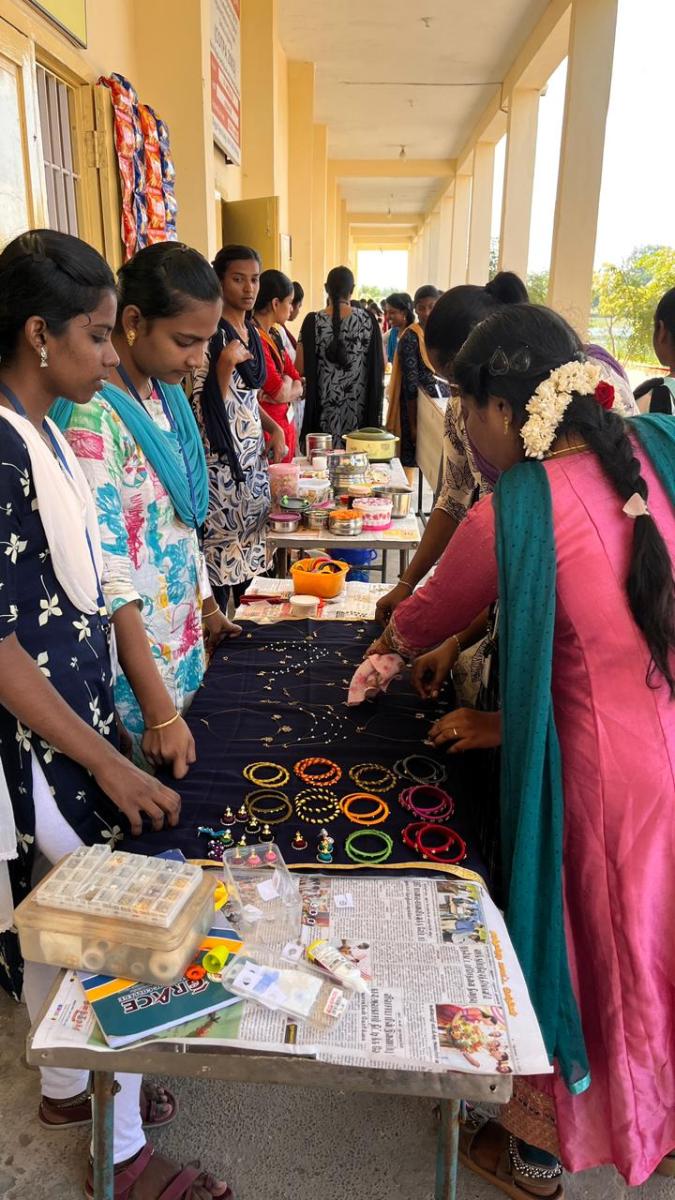
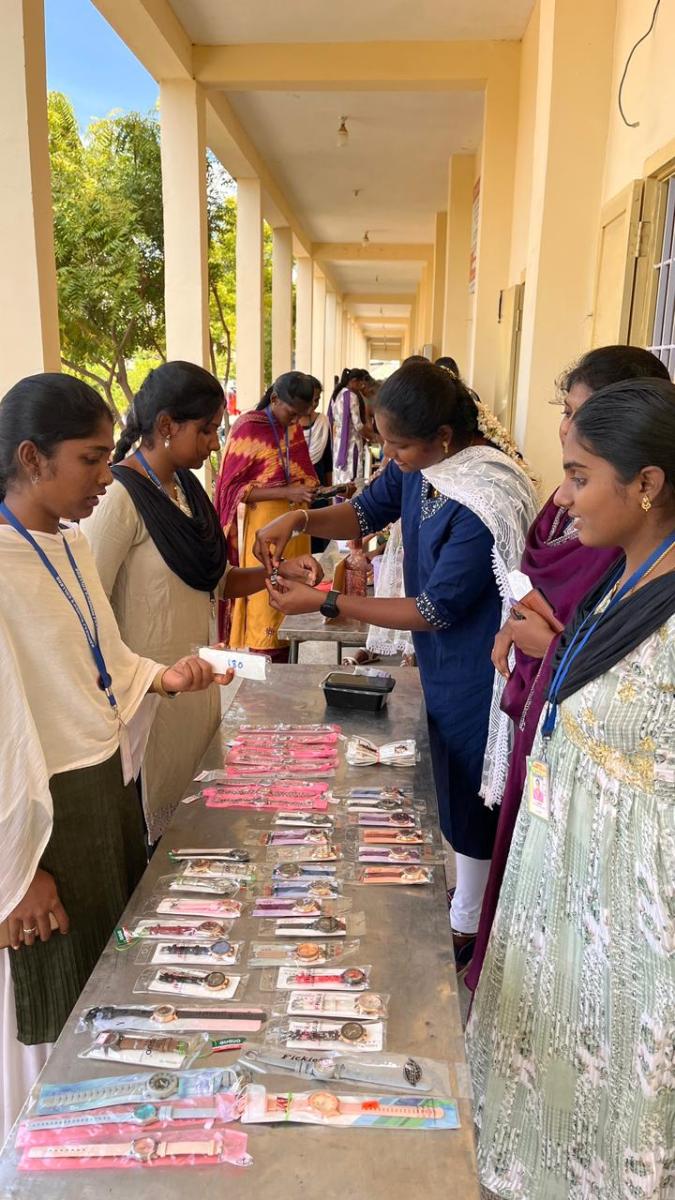
On 12 January 2026, the Entrepreneurship and Development Cell (EDC) of Kamaraj Women’s College marked National Youth Day by organizing an energetic and student-driven Sales Fair along the college corridors. In keeping with the legacy of Swami Vivekananda, the programme promoted values of self-reliance, creativity, and innovation among young minds.
Instead of adopting a conventional celebratory format, the EDC transformed academic spaces into a lively marketplace. Through this initiative, the Sales Fair created opportunities for experiential learning. At the same time, it allowed commerce and arts students to test business ideas, manage finances, and interact with customers in real time. As a result, the event successfully bridged theory and practice.
Objectives of the Sales Fair
With clear academic intent, the EDC designed the Sales Fair around experiential learning outcomes. Importantly, these objectives aligned with national youth development goals and institutional learning priorities.
The major objectives were:
- To celebrate National Youth Day through an entrepreneurship-based initiative
- To encourage self-reliance and innovative thinking among students
- To provide hands-on exposure to business planning and execution
- To strengthen marketing, financial, and communication skills
- To motivate students to consider entrepreneurship as a career option
Thus, the programme functioned as both a celebration and a structured learning exercise.
Inauguration and Faculty Involvement
At the outset, the Sales Fair began with a formal inauguration organized by the EDC. Soon after, teaching staff and faculty members were invited to serve as the first customers at the student-managed stalls.
Notably, faculty members moved from stall to stall and interacted closely with the student entrepreneurs. During these interactions, they enquired about start-up costs, sourcing methods, pricing strategies, and production processes. Consequently, the fair evolved into an informal mentoring platform. Moreover, initial purchases made by the faculty boosted student confidence and validated their efforts.
Student Participation and Market Environment
Following the faculty interaction, the corridors gradually filled with enthusiastic student customers. Before long, the Sales Fair transformed into a vibrant and bustling marketplace.
Across departments, students participated actively as both sellers and buyers. Meanwhile, the wide variety of products on display ensured continuous footfall throughout the day.
The stalls showcased:
- Handcrafted accessories and jewellery
- Creative handmade products
- Homemade cakes and brownies
- Traditional and modern savoury snacks
- Decorative and gift items
Consequently, food stalls emerged as a major attraction, drawing long queues and sustained interest.
Entrepreneurial Skills in Practice
Throughout the event, the Sales Fair functioned as a real-time entrepreneurial training space. Actively applying business strategies, student sellers used persuasive communication to attract customers.
In addition, several stalls adopted digital payment methods, offering practical exposure to cashless transactions. Through this experience, students gained insights into modern business practices. Likewise, teamwork played a crucial role, as participants coordinated responsibilities related to sales, accounting, and customer service.
Role of the Entrepreneurship and Development Cell
Throughout the programme, the Entrepreneurship and Development Cell provided continuous guidance and supervision. From stall allocation to operational support, the EDC ensured smooth execution.
Furthermore, the cell emphasized ethical business practices and problem-solving approaches. Therefore, the event retained strong educational value alongside commercial activity.
Impact and Outcomes
By the end of the day, the Sales Fair concluded on a highly successful note. In fact, a majority of stalls reported early sell-outs, reflecting effective planning and product quality.
The key outcomes included:
- Increased entrepreneurial confidence among students
- Improved understanding of real-world business dynamics
- Practical exposure to marketing and financial management
- Enhanced interest in entrepreneurship as a career path
- Stronger integration of academic learning with practice
As a result, the programme clearly demonstrated student readiness for professional challenges.
Conclusion
Overall, the Sales Fair organized as part of National Youth Day 2026 emerged as a meaningful and impactful initiative. By converting college corridors into a learning marketplace, the EDC nurtured innovation, leadership, and self-reliance among students.
Finally, the programme honoured the vision of Swami Vivekananda while showcasing the entrepreneurial potential of the youth of Kamaraj Women’s College. The event concluded with appreciation for all participants, leaving the campus inspired by creativity and confidence.
For more institutional initiatives, visit
Kamaraj Women’s College
For information on National Youth Day, refer to
Vikaspedia – National Youth Day