
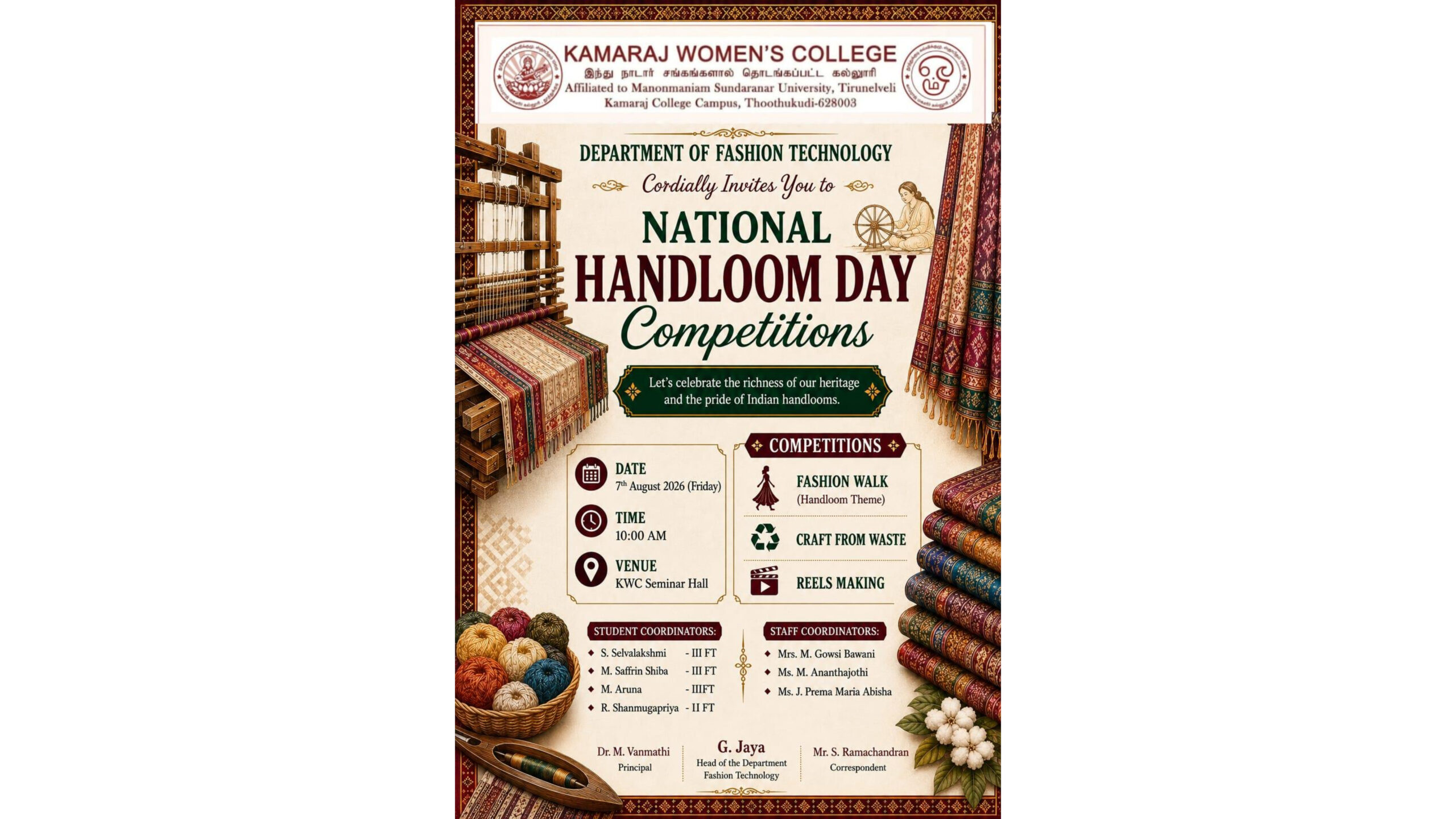
National Handloom Day Competitions Celebrate Sustainable Fashion
Report on National Handloom Day Competitions
The Department of Fashion Technology, Kamaraj Women’s College, Thoothukudi, organized a series of National Handloom Day Competitions on 7 August 2026 (Friday) at 10.00 a.m. to commemorate National Handloom Day. The programme aimed to create awareness about India’s rich handloom heritage, promote sustainable fashion practices, and encourage students to showcase their creativity, technical knowledge, and presentation skills. Throughout the event, participants celebrated traditional craftsmanship while exploring innovative approaches to modern fashion.
Objectives of the Programme
The competitions focused on achieving the following objectives:
- Create awareness about India’s rich handloom heritage
- Promote sustainable and eco-friendly fashion practices
- Encourage creativity, innovation, and technical excellence
- Develop presentation and communication skills
- Strengthen appreciation for traditional textiles
- Promote recycling and responsible resource utilization
- Encourage digital creativity to preserve cultural heritage
Consequently, the programme inspired students to appreciate traditional handlooms while embracing sustainable fashion concepts.
Inaugural Session
The competitions commenced promptly at 10.00 a.m. across their respective venues. Faculty members welcomed the participants and explained the significance of National Handloom Day. They also emphasized the need to preserve India’s weaving traditions and encouraged students to combine creativity with sustainability in the field of fashion.
Fashion Walk Competition
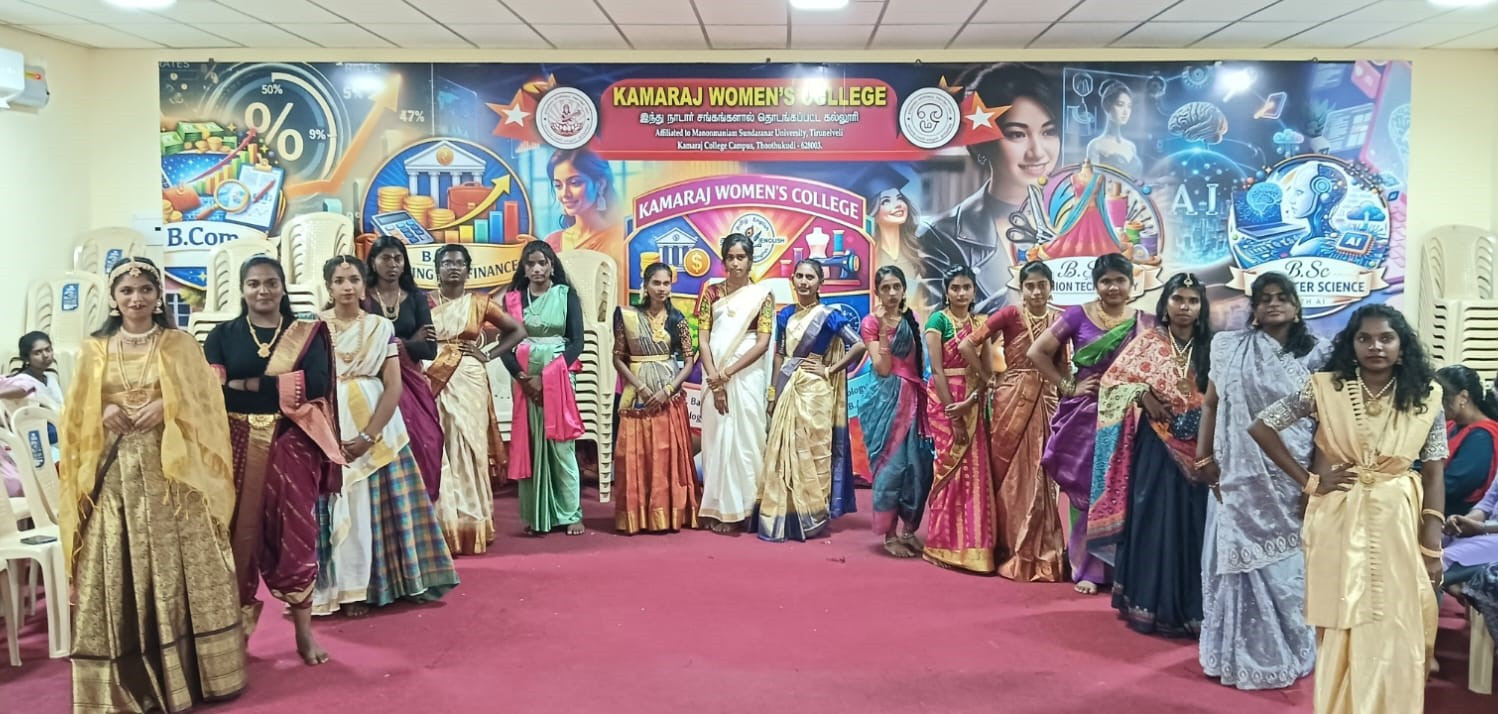
First, the department conducted the Fashion Walk Competition at the KWC Seminar Hall under the theme “Handloom.”
Participants confidently showcased attractive handloom-based costumes by blending traditional fabrics with contemporary styling and elegant accessories. Moreover, each presentation highlighted the versatility and timeless appeal of Indian handloom textiles.
The judges evaluated the participants based on:
- Creativity
- Costume selection
- Styling and accessories
- Presentation and confidence
- Ramp walk
- Theme relevance
As a result, the competition demonstrated how traditional textiles continue to inspire modern fashion.
Craft from Waste Competition
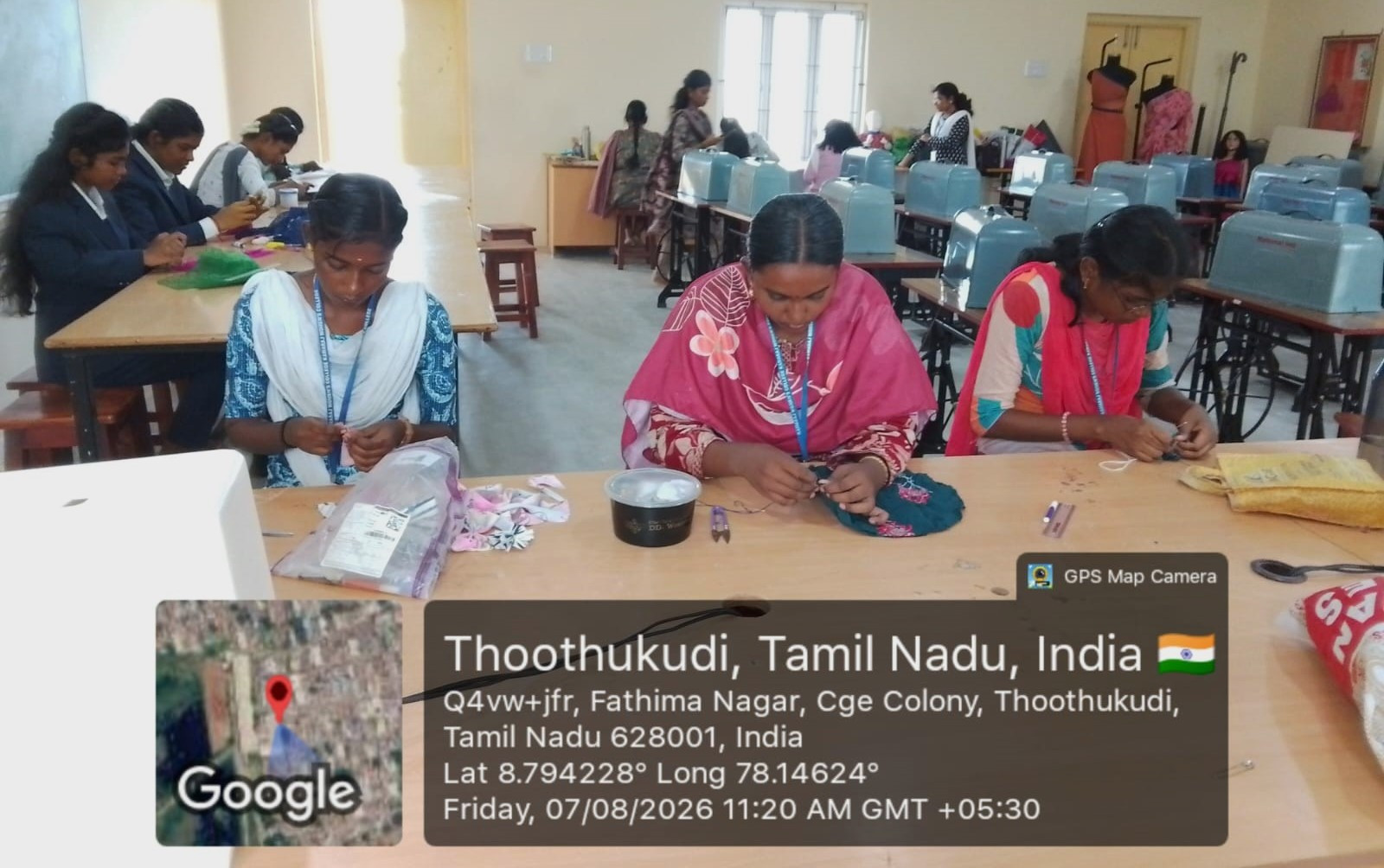
Meanwhile, the Craft from Waste Competition took place in the Fashion Technology Laboratory. Students creatively transformed discarded materials into attractive and useful products, thereby demonstrating their commitment to sustainable fashion and environmental responsibility.
Furthermore, the activity encouraged participants to rethink waste materials as valuable design resources.
The judges assessed the entries based on:
- Originality
- Creativity
- Utility
- Finishing and presentation
- Effective use of waste materials
Consequently, students gained a deeper understanding of recycling, resource conservation, and sustainable product development.
Reels Making Competition
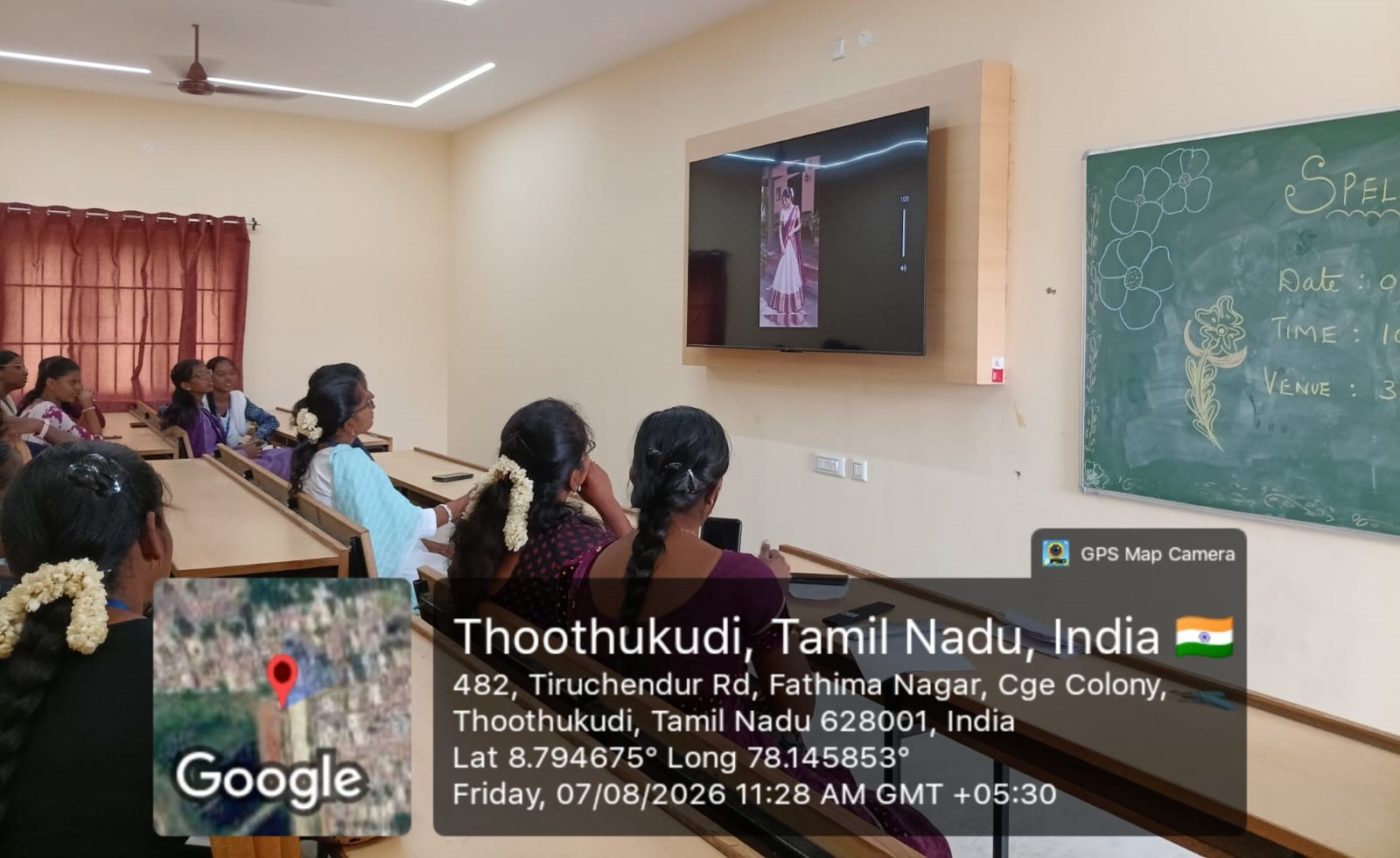
At the same time, students participated in the Reels Making Competition at Hall No. 30. They produced engaging short videos that promoted the beauty, cultural significance, and contemporary relevance of Indian handlooms.
Additionally, the participants used digital storytelling techniques to encourage the younger generation to value and preserve traditional weaving practices.
The judges evaluated the reels based on:
- Content quality
- Creativity and originality
- Presentation style
- Theme relevance
- Overall impact
Therefore, the competition successfully combined technology with cultural awareness.
Student Participation
Students from various departments enthusiastically participated in all three competitions. Throughout the programme, they displayed remarkable creativity, teamwork, communication skills, and innovative thinking.
Moreover, the activities enabled participants to connect India’s traditional handloom heritage with modern fashion trends, sustainable practices, and digital media. Faculty members appreciated the students’ originality and encouraged them to continue promoting environmentally responsible fashion.
Programme Coordination
The Head of the Department, faculty coordinators, and student coordinators efficiently planned and managed every competition. Their dedicated efforts ensured the smooth conduct of all events and created an engaging learning environment for every participant.
Furthermore, the organizing team maintained the schedule effectively and supported the participants throughout the competitions.
Programme Outcomes
The National Handloom Day Competitions successfully achieved their objectives.
The programme enabled students to:
- Understand the significance of Indian handloom traditions
- Develop creativity through fashion and design
- Promote sustainable and eco-friendly practices
- Enhance technical and presentation skills
- Improve digital content creation abilities
- Strengthen teamwork and communication skills
- Appreciate the value of traditional textiles in modern fashion
As a result, the competitions encouraged participants to preserve India’s textile heritage while embracing innovation and sustainability.
Conclusion
Finally, the National Handloom Day Competitions concluded successfully with enthusiastic participation from students and wholehearted support from the faculty members and organizers.
Overall, the programme provided an excellent platform for celebrating India’s rich handloom heritage while promoting creativity, sustainable fashion, and responsible resource utilization. Most importantly, it inspired students to preserve traditional craftsmanship, develop innovative design ideas, and become advocates for sustainable fashion practices.