
National Book Reading Day Builds a Strong Reading Habit
Report on National Book Reading Day
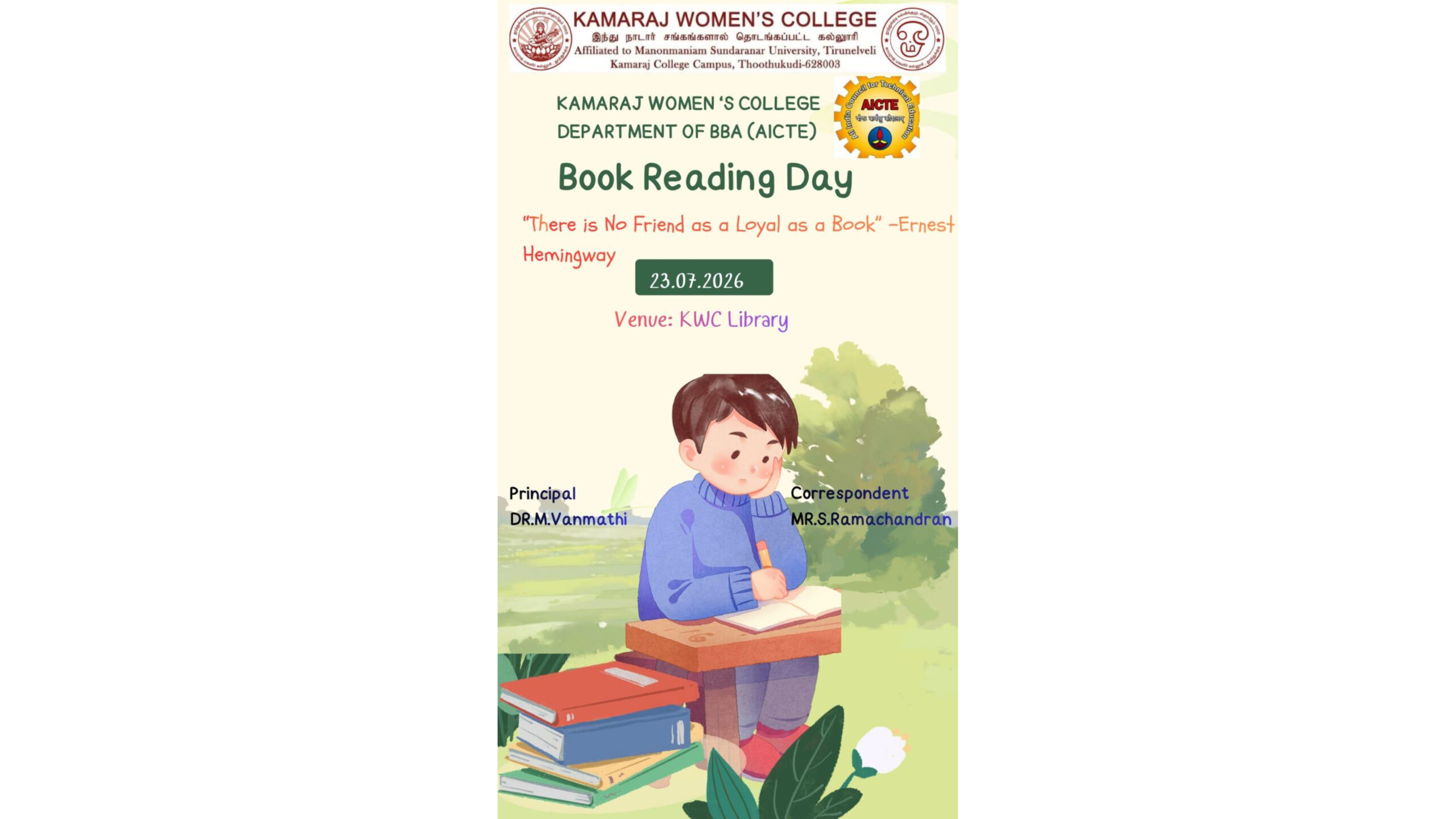
The KWC Library of Kamaraj Women’s College, Thoothukudi, observed National Book Reading Day on 23 July 2026 at 11.30 a.m. The programme was organized in the college library to encourage students to develop a regular reading habit and understand the value of focused and meaningful reading.
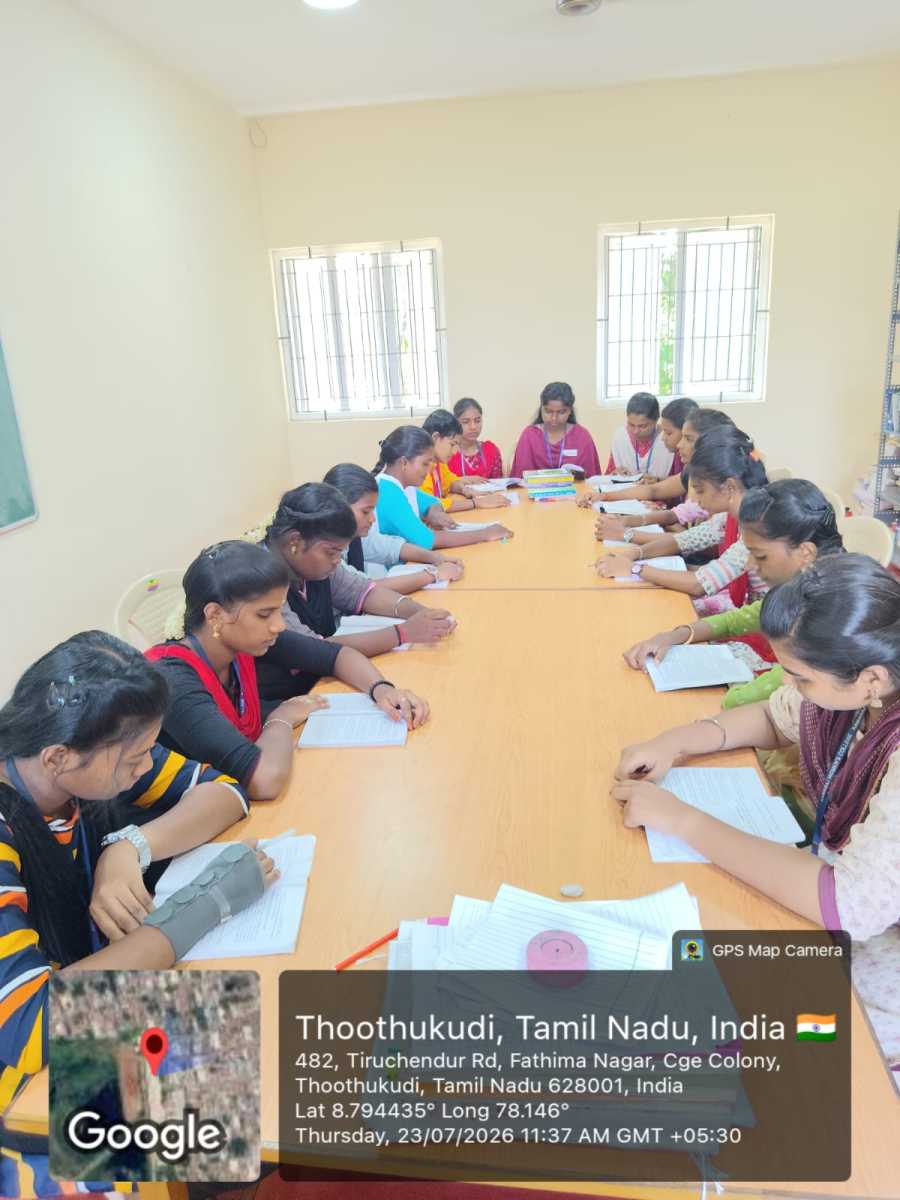
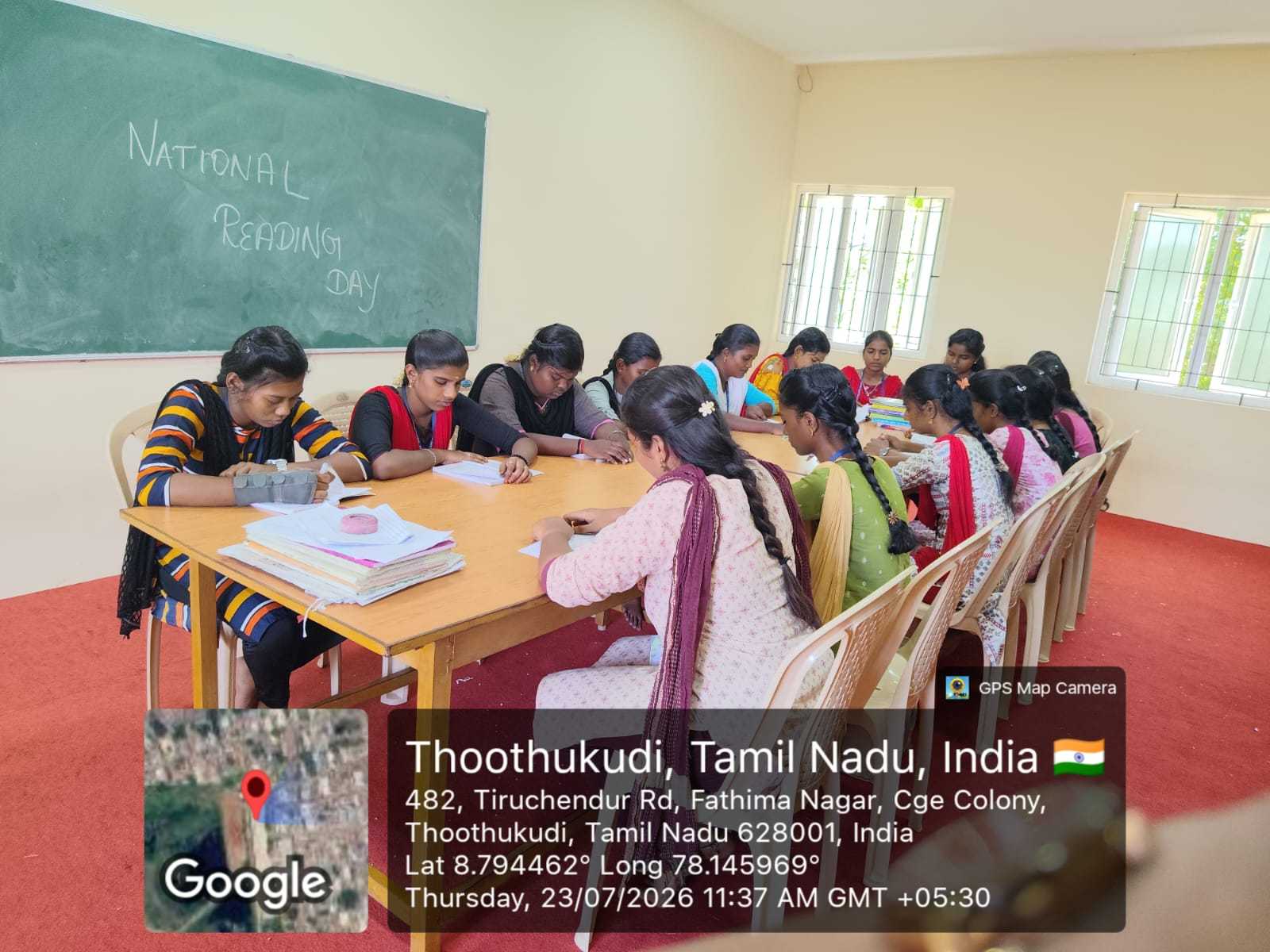
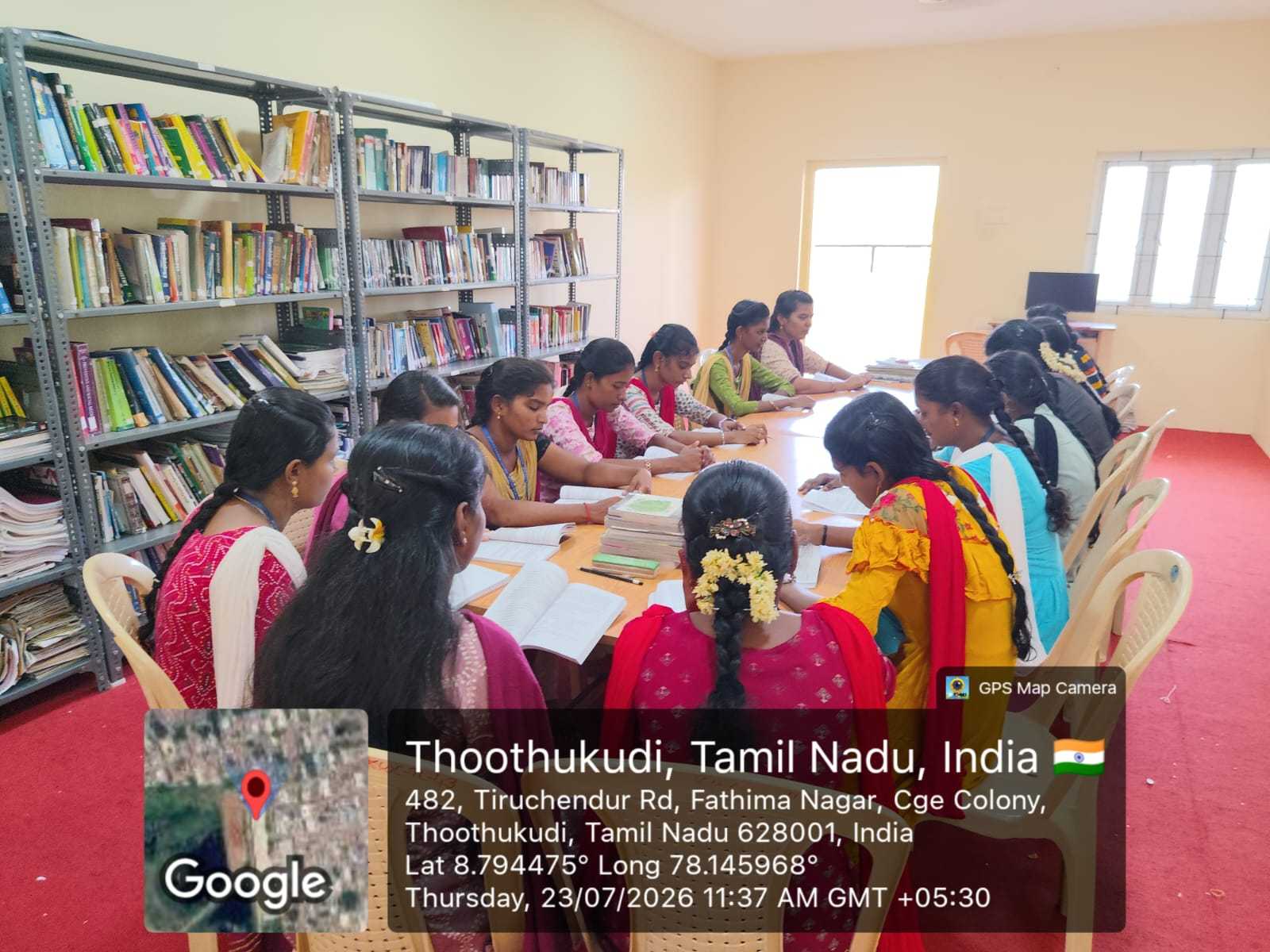
A total of 14 students participated in the programme. The main activity of the event was silent and effective book reading. The peaceful atmosphere of the library helped the participants concentrate fully on the books they selected.
The National Book Reading Day programme created awareness about the importance of reading in developing knowledge, imagination, vocabulary, concentration, and critical thinking. It also reminded students that regular reading can support both academic success and personal growth.
Objectives of the Programme
The programme was organized to encourage students to spend quality time with books and experience the benefits of uninterrupted reading.
- Promote the habit of regular book reading
- Improve concentration and attention
- Encourage students to explore different types of books
- Develop vocabulary and communication skills
- Strengthen imagination and critical thinking
- Create interest in the effective use of library resources
- Motivate students to include reading in their daily routine
Therefore, the programme provided a simple yet meaningful opportunity for students to reconnect with books in a calm and supportive environment.
Beginning of the Reading Session
The students entered the KWC Library and settled comfortably at the reading tables. They maintained silence and followed the library guidelines throughout the session.
The peaceful setting helped create a positive reading atmosphere. Students were encouraged to choose books according to their personal interests instead of following a fixed reading list.
This freedom of choice made the activity more enjoyable and encouraged genuine interest in reading.
Selection of Books
The participants selected books from different areas based on their individual interests.
The chosen reading materials included:
- Storybooks
- Books on science facts
- Biographies
- General knowledge books
- Motivational reading materials
The variety of books reflected the different interests of the students. Some preferred imaginative stories, while others selected factual or inspiring books.
By choosing their own books, the students became more involved in the activity and developed a stronger connection with the reading material.
Focused Silent Reading Activity
A focused 30-minute silent reading session was conducted as the central activity of the programme.
All the participants remained fully engaged during the reading period. They read quietly without distraction and showed sincere interest in the books they had selected.
The silent reading block allowed students to:
- Concentrate without interruption
- Understand the content at their own pace
- Improve reading fluency
- Develop patience and attention
- Experience the joy of independent reading
Moreover, the activity demonstrated that even a short period of focused reading can refresh the mind and improve concentration.
Importance of Effective Reading
The programme emphasized that effective reading involves more than simply going through words on a page. It requires attention, understanding, reflection, and the ability to connect ideas.
Regular reading can help students improve their academic performance by strengthening language skills and expanding subject knowledge.
It can also support personal development by introducing readers to new ideas, cultures, experiences, and viewpoints.
Biographies can inspire students through the lives of successful individuals. Science books can encourage curiosity and logical thinking. Similarly, stories can strengthen creativity, empathy, and imagination.
Therefore, selecting different types of books can contribute to the balanced development of a student.
Student Participation
All 14 students participated actively and maintained complete involvement throughout the session.
Their disciplined participation created a calm and productive atmosphere in the library. The students demonstrated that reading can be both enjoyable and educational when carried out with interest and concentration.
The programme also encouraged them to make better use of the library and explore books beyond their regular academic textbooks.
Benefits of Daily Reading
The session highlighted several benefits of developing a daily reading habit.
- Improves vocabulary and language skills
- Enhances memory and concentration
- Develops imagination and creativity
- Builds general knowledge
- Reduces stress and refreshes the mind
- Improves writing and communication abilities
- Encourages independent learning
Students were reminded that reading for even a few minutes every day can gradually create a lasting and valuable habit.
Programme Outcomes
The National Book Reading Day programme successfully achieved its purpose of encouraging students to engage in meaningful reading.
The programme enabled students to:
- Experience uninterrupted silent reading
- Select books based on personal interests
- Improve concentration and reading discipline
- Understand the value of library resources
- Develop interest in different categories of books
- Recognize the importance of daily reading
- Spend time in a calm and intellectually stimulating environment
As a result, the students gained a renewed interest in books and became more aware of the role of reading in academic and personal growth.
Conclusion
At the end of the session, the students neatly returned the books to their proper places on the shelves. Their responsible conduct reflected respect for library resources and shared learning spaces.
The programme concluded with a short positive message on the importance of making reading a part of everyday life.
Overall, the National Book Reading Day programme was simple, peaceful, and effective. It encouraged students to explore books according to their interests, strengthened their concentration, and promoted the valuable habit of daily reading.
The programme reinforced the message that books remain powerful sources of knowledge, inspiration, imagination, and lifelong learning.