
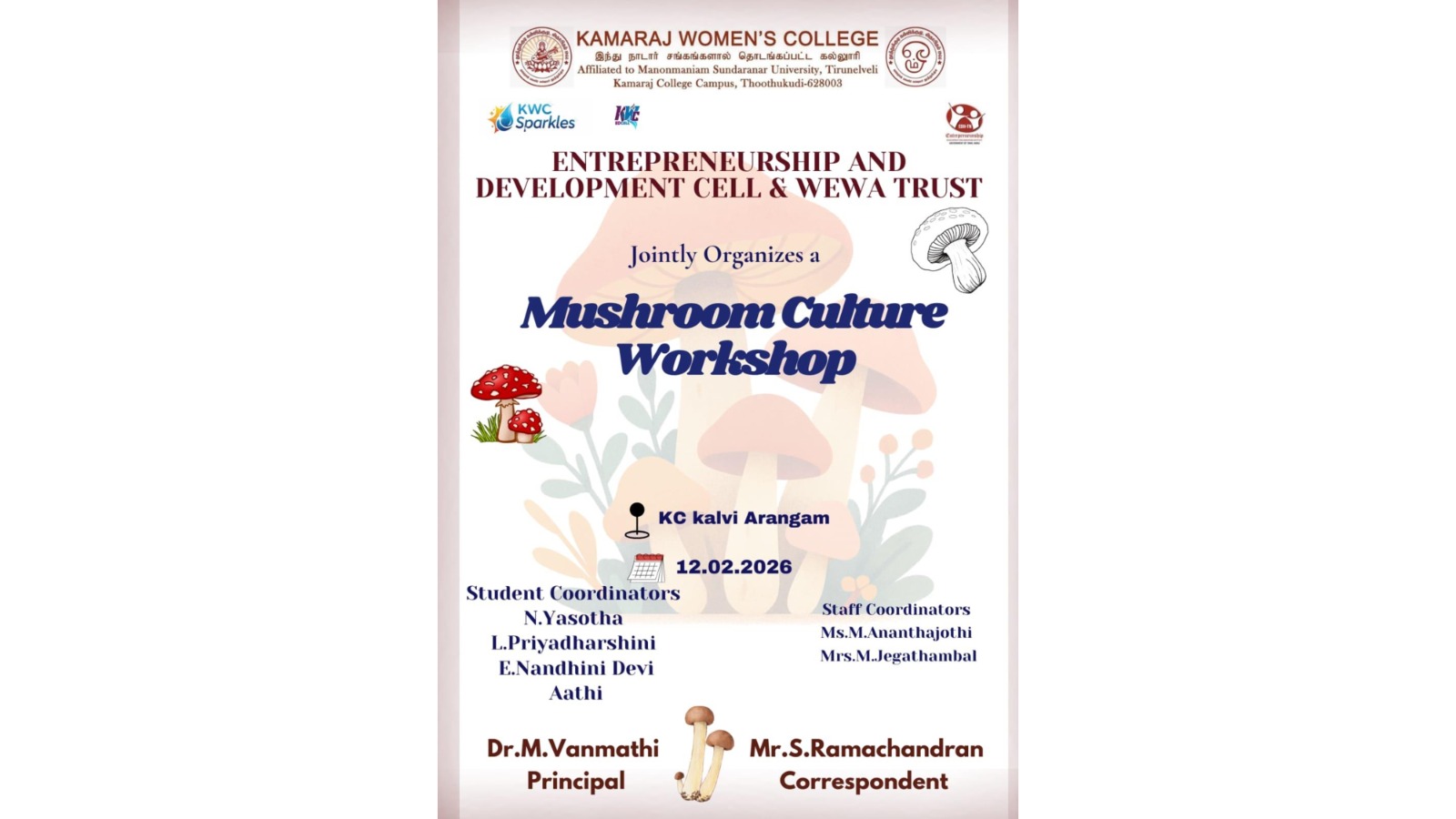
Empowering Mushroom Cultivation Workshop for Women
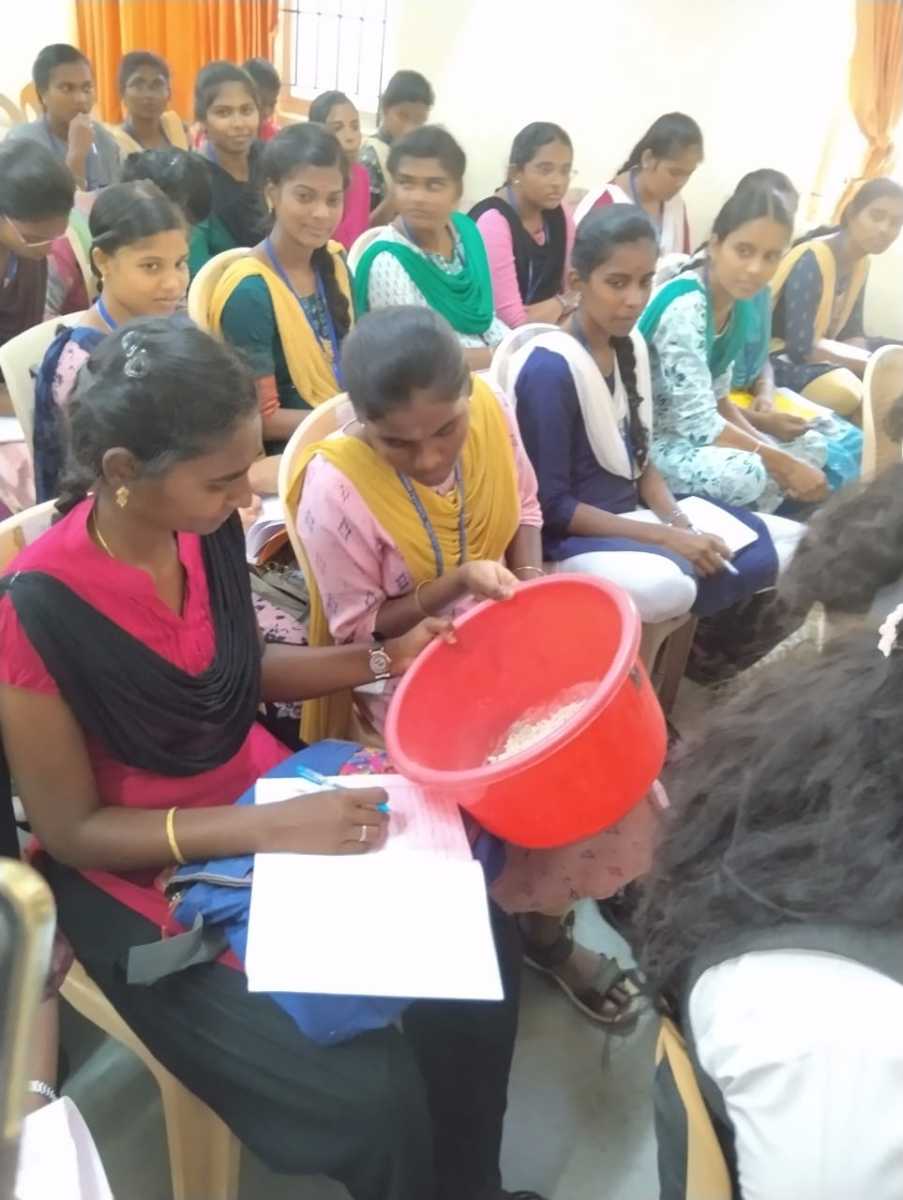
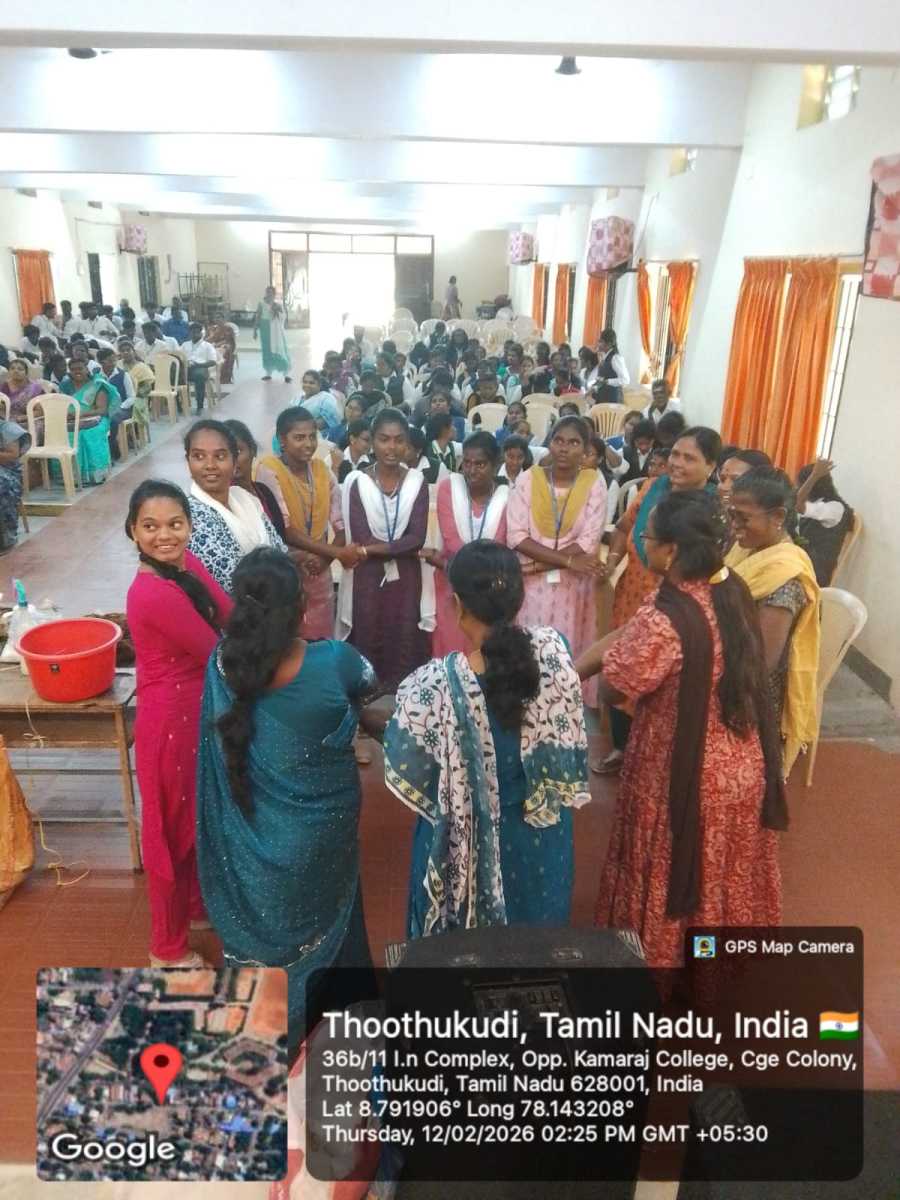
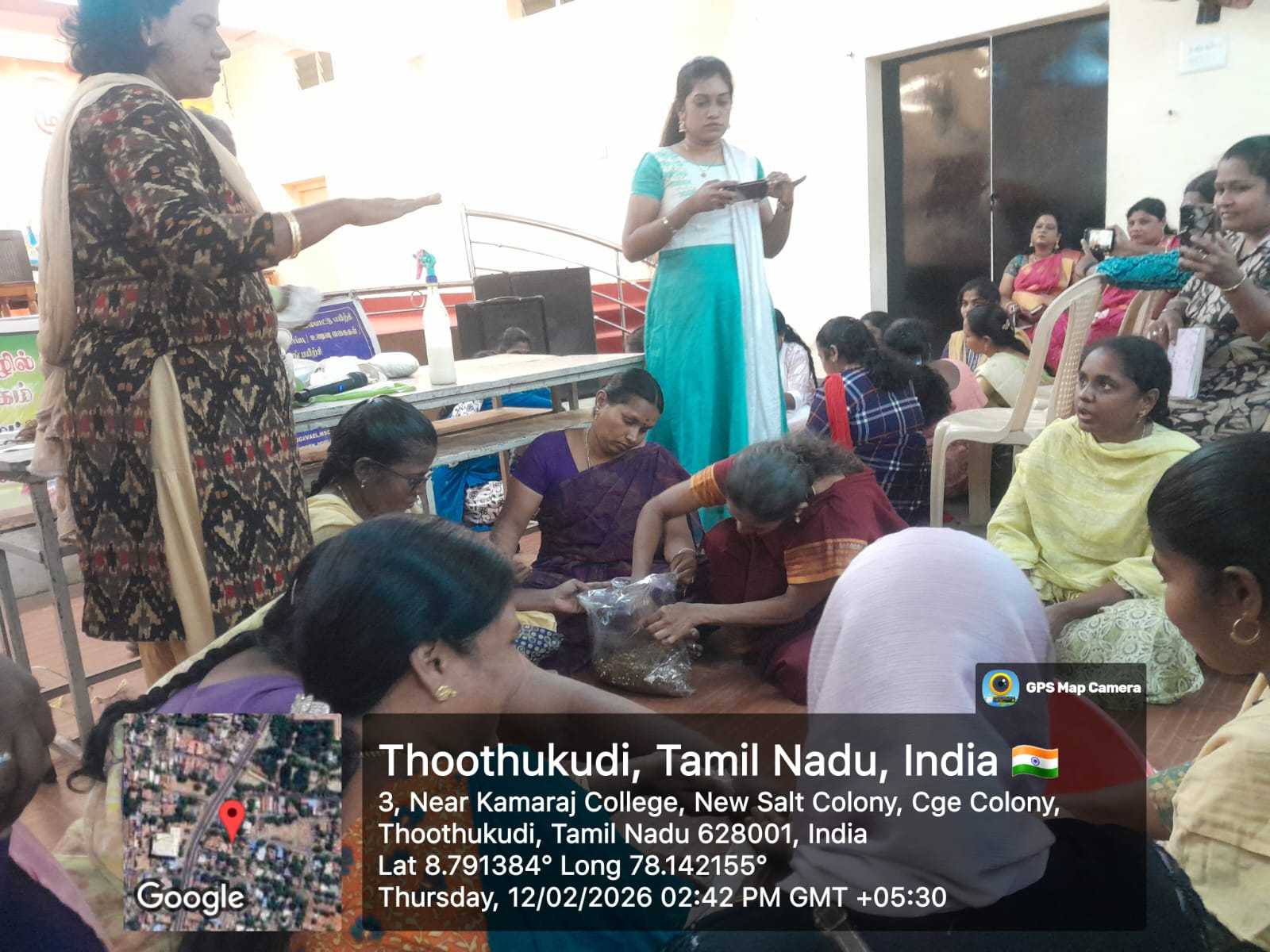
Mushroom Cultivation Workshop
The Mushroom Cultivation Workshop was successfully conducted at Kamaraj Women’s College, Thoothukudi, with the objective of promoting self-employment and sustainable agricultural practices among women students. The programme commenced at 1:00 PM with a formal invocation, setting a positive tone for the learning session.
The Head of the Department warmly welcomed the gathering and emphasized the growing importance of self-reliance and entrepreneurship in today’s economic landscape. Furthermore, she highlighted how mushroom cultivation can serve as a sustainable and income-generating activity, especially for women aspiring to become independent entrepreneurs. Representatives from the WEWA Trust were introduced as the technical partners for the workshop, bringing with them valuable expertise and practical knowledge.
Objectives of the Mushroom Cultivation Workshop
The primary objectives of the Mushroom Cultivation Workshop were to:
- Promote self-employment opportunities for women
- Provide scientific knowledge about mushroom farming
- Offer hands-on training in cultivation techniques
- Create awareness about government subsidies and financial support
- Encourage sustainable agricultural practices
Therefore, the workshop aimed to combine technical training with entrepreneurial guidance.
Technical Session I: Fundamentals of Mushroom Cultivation
The first technical session was conducted from 1:30 PM to 3:00 PM and focused on the biological and environmental requirements for mushroom growth. The resource persons from WEWA Trust provided a detailed explanation of the scientific principles behind mushroom cultivation.
The key topics covered included:
- Species Selection: Students learned how to choose between Oyster, Milky, and Button mushrooms depending on the local climate and demand.
- Substrate Preparation: Experts demonstrated methods for sterilizing paddy straw and wood shavings to ensure contamination-free growth.
- Spawn Running: The critical process of inoculating the prepared substrate with mushroom spores was explained step-by-step.
Moreover, the session emphasized maintaining hygienic conditions to prevent fungal contamination. As a result, students gained clarity about the technical foundation required for successful mushroom cultivation.
Practical Demonstration: Hands-on Training
Following the theoretical session, a practical demonstration was conducted from 3:00 PM to 4:15 PM at the Arangam. During this hands-on training, experts from WEWA Trust demonstrated real-time bed preparation and cultivation methods.
The practical session included:
- Bed Preparation: Layering the sterilized substrate and spawn in polybags for optimal growth.
- Humidity and Temperature Control: Maintaining 80–90% humidity levels and ensuring appropriate temperature conditions.
- Harvesting Techniques: Identifying the right stage for plucking mushrooms to maximize shelf life and quality.
Consequently, students developed confidence in handling cultivation procedures independently. The demonstration effectively bridged the gap between theory and practice.
Session II: Business Logistics and Government Subsidies
After the technical and practical sessions, the workshop shifted focus to the economic aspects of mushroom cultivation. The WEWA Trust team discussed how students could convert mushroom farming into a profitable business venture.
The economic session covered:
- Market Linkages: Guidance on packaging and selling produce to local vendors, supermarkets, and organic stores.
- Branding and Farm-to-Table Concept: Strategies to promote fresh and organic products directly to consumers.
- Government Support: Information about NABARD subsidies and small-scale industry loans available for women entrepreneurs.
Furthermore, the speakers explained the importance of maintaining quality standards and customer trust. As a result, students understood that mushroom cultivation is not merely an agricultural activity but a viable business model.
For more details about government schemes, students were encouraged to explore:
👉 NABARD Official Website
Interactive Question and Answer Session
A brief interactive session allowed students to clarify their doubts regarding practical challenges in mushroom farming. Students actively asked questions related to:
- Pest control, especially green mold contamination
- Initial investment required for small-scale units
- Return on investment and profitability margins
- Storage and distribution techniques
The resource persons addressed each query in detail, thereby strengthening the students’ understanding of both technical and financial aspects.
Conclusion and Vote of Thanks
The Mushroom Cultivation Workshop concluded at 5:00 PM with motivating remarks from the Secretary of the WEWA Trust. He encouraged students to view mushroom cultivation not merely as a hobby but as a sustainable “farm-to-table” business opportunity.
Finally, the Student Union President delivered a formal vote of thanks, expressing gratitude to the college management and WEWA Trust for their collaborative efforts. The programme ended on an inspiring note, with students feeling empowered to explore entrepreneurial ventures in agriculture.
Outcome of the Mushroom Cultivation Workshop
The workshop successfully achieved its objectives and delivered the following outcomes:
- Enhanced technical knowledge of mushroom cultivation
- Improved practical skills through hands-on training
- Awareness of government subsidies and financial assistance
- Encouragement toward women entrepreneurship
- Understanding of sustainable agricultural practices
Thus, the workshop significantly contributed to skill development and entrepreneurial readiness among students.
For more information about institutional initiatives, visit:
👉 Kamaraj Women’s College – Official Website