
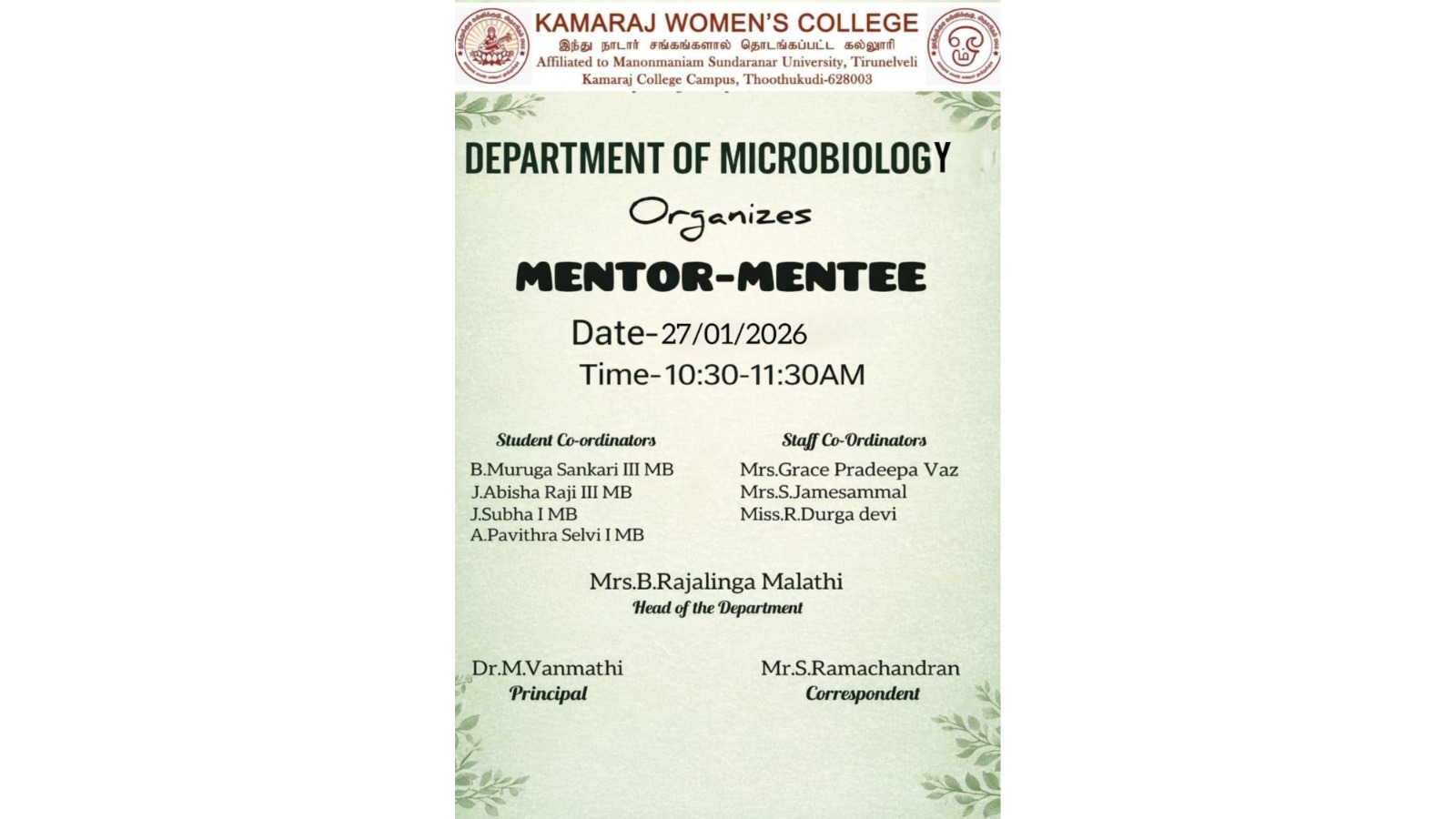
Empowering Mentor–Mentee Programme at Kamaraj Women’s College
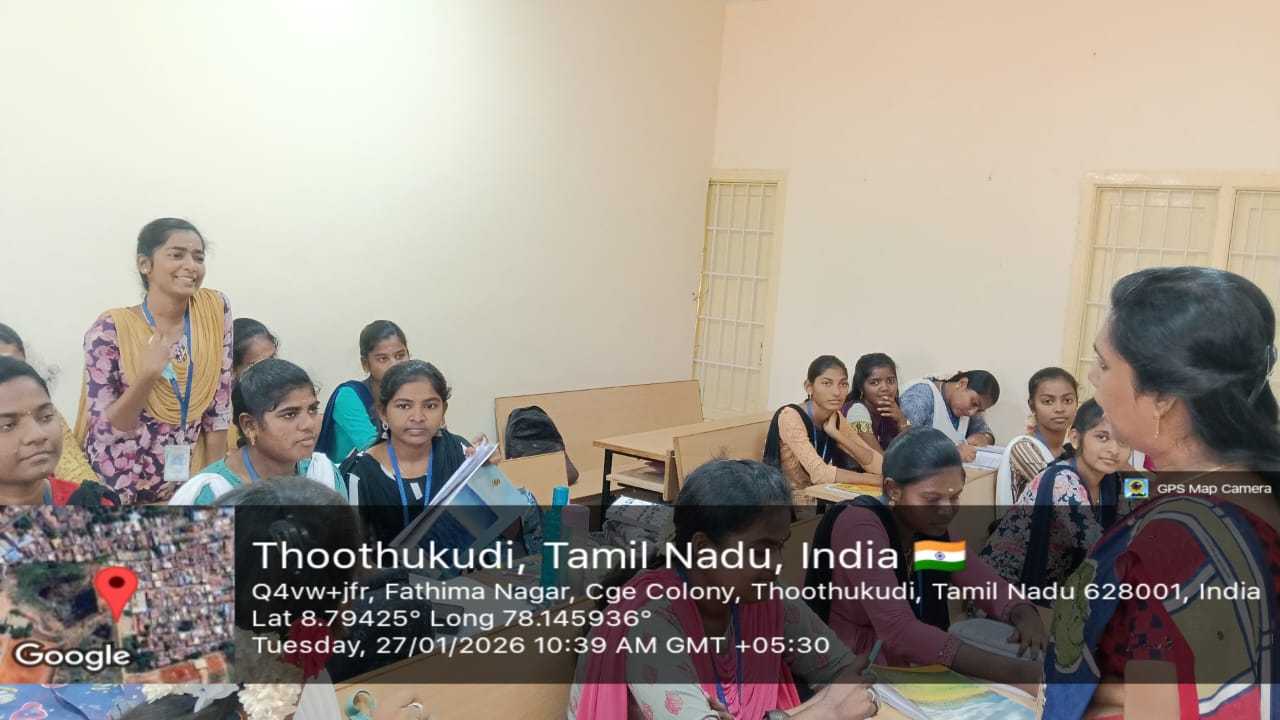
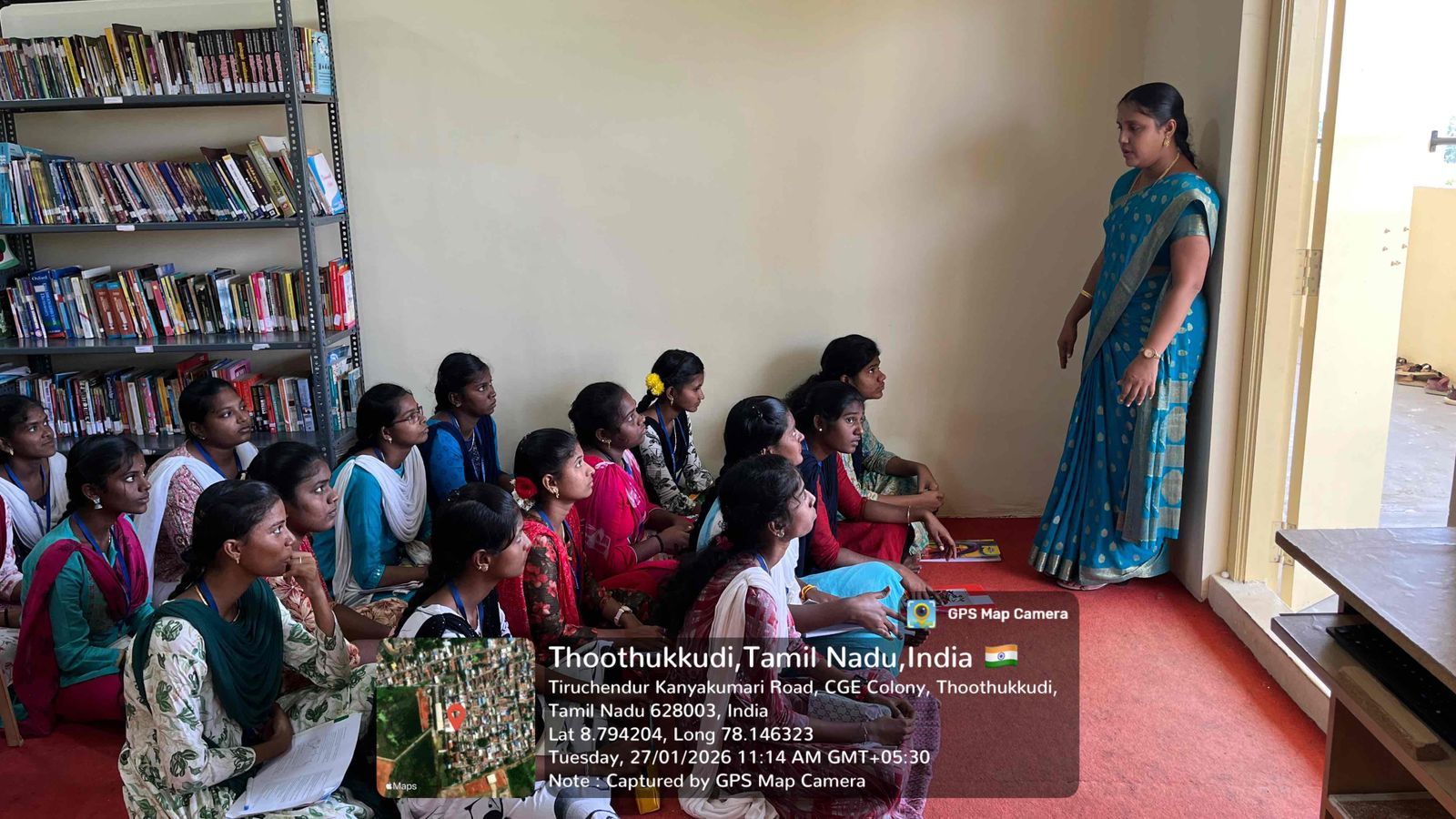
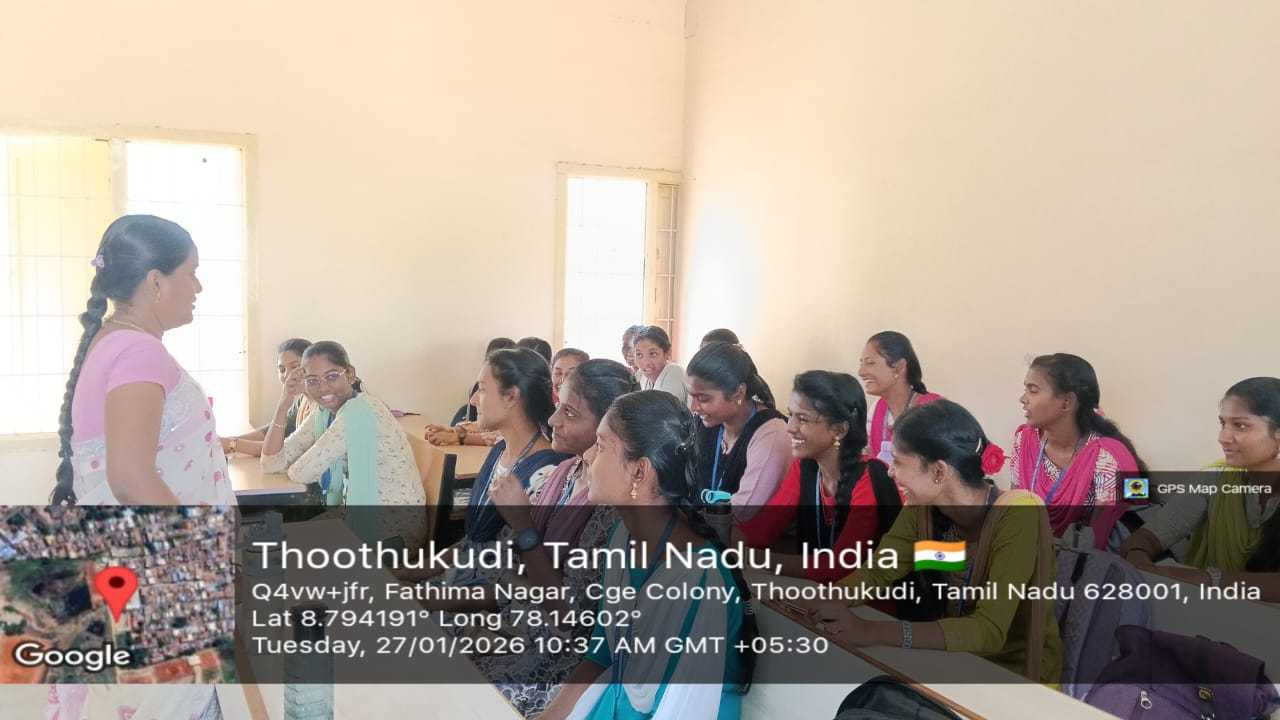
Mentor–Mentee Programme
The Mentor–Mentee Programme organized by the Department of Microbiology at Kamaraj Women’s College, Thoothukudi was successfully conducted on 27 January 2026 from 10.30 a.m. to 11.30 a.m.. First, the programme aimed to provide structured academic guidance, personal support, and career orientation to students. As a result, the session created a meaningful platform for direct interaction between faculty mentors and students.
Initially, students were briefed about the objectives of the programme. Then, mentors welcomed their mentees warmly and encouraged open communication. Consequently, students felt comfortable sharing their academic and personal experiences in a supportive environment.
Objectives of the Programme
The Mentor–Mentee Programme was conducted with clearly defined goals. Specifically, the programme aimed to:
- Provide academic guidance and continuous monitoring
- Offer personal support and emotional encouragement
- Identify academic challenges and learning gaps
- Guide students in career planning and higher education opportunities
- Strengthen the mentor–mentee relationship within the department
Therefore</strong, the programme focused on both academic excellence and holistic student development.
Proceedings of the Mentoring Sessions
Following the allocation of mentors, students met individually with their respective faculty mentors. During these sessions, mentors reviewed students’ academic progress, attendance records, classroom participation, and overall performance. In addition, mentors encouraged students to openly discuss their academic difficulties, learning challenges, and personal concerns.
Moreover, mentors listened patiently and offered constructive feedback. As a result, students received personalized guidance tailored to their specific needs and goals.
Key areas discussed during the mentoring sessions included:
- Academic performance and improvement strategies
- Time management and effective study techniques
- Stress management and emotional well-being
- Attendance, discipline, and classroom engagement
- Personal concerns affecting learning outcomes
Additionally, mentors emphasized the importance of developing self-discipline, confidence, and a positive attitude toward learning.
Career Guidance and Future Planning
Furthermore, the programme placed strong emphasis on career guidance and future planning. During the discussions, mentors informed students about higher education opportunities, skill development programmes, and career pathways related to microbiology.
- Higher studies and research opportunities
- Skill enhancement and laboratory training
- Career options in healthcare, research, and biotechnology
- Competitive examinations and professional certifications
As a result, students gained clarity about their academic direction and career aspirations. Moreover, mentors motivated students to set short-term and long-term goals. Then, they guided them on how to work consistently toward achieving these goals with dedication and perseverance.
Student Participation and Interaction
Notably, students actively participated in the mentoring process. In addition, they expressed their views, expectations, and concerns openly. Consequently, the mentors addressed individual issues patiently and offered suitable suggestions and solutions wherever required.
Furthermore, the interactive nature of the session encouraged mutual trust and understanding. Thus, the programme strengthened the bond between mentors and mentees while creating a positive and supportive learning environment.
Outcomes of the Programme
The Mentor–Mentee Programme produced several positive outcomes. Most importantly, it strengthened academic performance and personal growth among students. In addition, it improved communication between faculty members and students.
The key outcomes included:
- Improved clarity about academic progress and career goals
- Enhanced mentor–mentee relationships and trust
- Effective identification and resolution of academic challenges
- Increased student motivation and self-confidence
- Better academic planning and goal setting
As a result, students felt more confident, supported, and motivated in their educational journey.
Educational and Institutional Impact
Overall, the Mentor–Mentee Programme significantly contributed to the academic culture of the department. Moreover, it reinforced the institution’s commitment to student-centered learning. Additionally, such programmes ensure continuous academic monitoring and timely intervention for students who require support.
Furthermore, the programme aligned with the mission of Kamaraj Women’s College to nurture responsible, confident, and skilled graduates. Therefore, the session played a crucial role in promoting holistic development, emotional well-being, and academic excellence.
Conclusion
In conclusion, the Mentor–Mentee Programme organized by the Department of Microbiology at Kamaraj Women’s College, Thoothukudi proved to be highly beneficial. Ultimately, the programme strengthened mentor–mentee relationships and promoted students’ academic and personal development.
Finally, the session concluded with a summary of observations by the staff coordinators, who highlighted the importance of continuous mentoring. As a result, the department expressed its commitment to conducting such programmes regularly to ensure ongoing guidance and holistic student growth.
🔗 Useful Links
Internal Link:
Kamaraj Women’s College – Official Website
External Links:
University Grants Commission (UGC) – India
National Institutional Ranking Framework (NIRF)