
Marine Molluscs Programme Builds Conservation Awareness
Report on “Marine Molluscs: Biodiversity and Conservation”
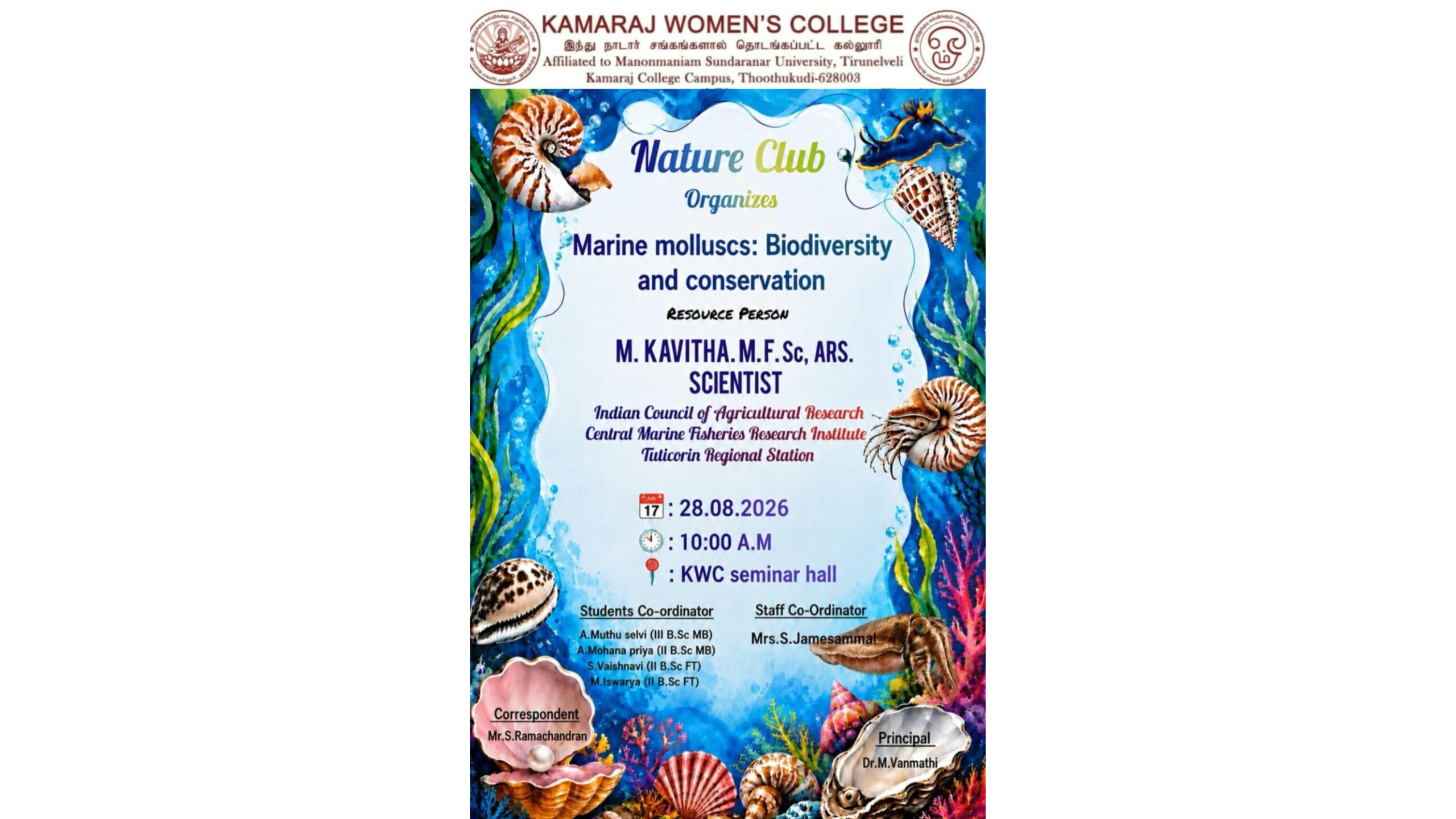
The Nature Club of Kamaraj Women’s College, Thoothukudi, organised a programme on “Marine Molluscs: Biodiversity and Conservation” on 28 August 2026 at 10.00 a.m. in the KWC Seminar Hall.
The programme aimed to create awareness among students about marine molluscan diversity, their ecological importance and the need for conservation. Moreover, the session introduced students to different groups of marine molluscs and helped them understand their important role in maintaining healthy marine ecosystems.
Objectives of the Programme
The programme focused on the following objectives:
- Introduce students to the diversity of marine molluscs
- Explain the major groups of marine molluscs
- Create awareness about their ecological importance
- Highlight the role of molluscs in marine biodiversity
- Create awareness about threats to marine organisms
- Promote the conservation of marine and coastal ecosystems
- Encourage responsible practices to reduce plastic pollution
- Develop environmental responsibility among students
Thus, the programme combined scientific knowledge with environmental awareness and conservation education.
Welcome and Introduction
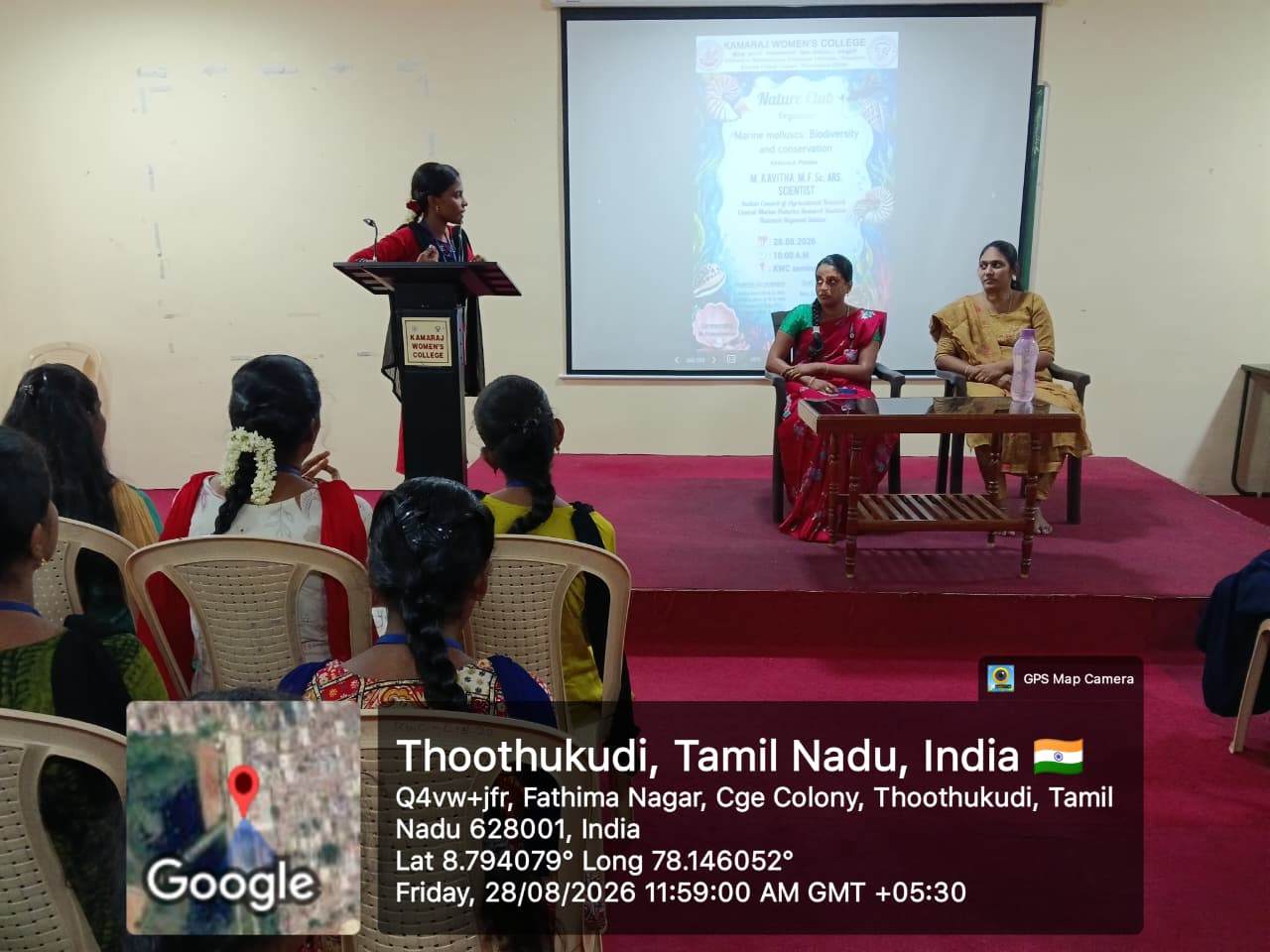
J. Sarafina Philome served as the Master of Ceremony and coordinated the proceedings of the programme.
P. Brightlin delivered the Welcome Address and warmly welcomed the resource person, faculty members and students.
Following this, A. Anshiya delivered the Guest Introduction and introduced the resource person, M. Kavitha, M.F.Sc., ARS., Scientist, ICAR–Central Marine Fisheries Research Institute, Tuticorin Regional Station.
The introductory session prepared the students for an informative discussion on marine biodiversity and conservation.
Understanding Marine Molluscs
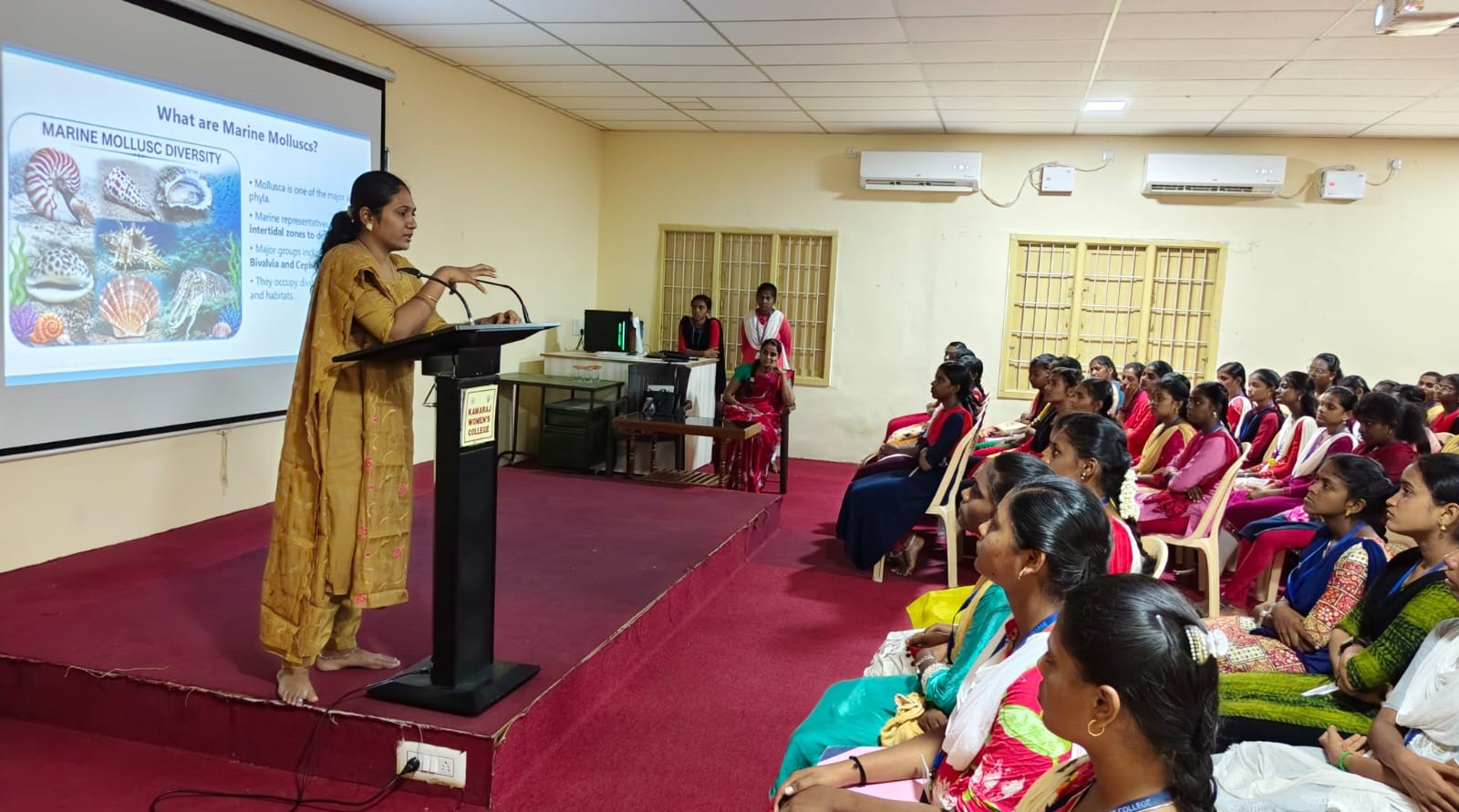
During the resource person session, M. Kavitha introduced the students to the fascinating diversity of marine molluscs.
She explained the major groups of marine molluscs, namely:
- Gastropods
- Bivalves
- Cephalopods
She discussed these groups with suitable examples, making the scientific concepts easier for students to understand. Furthermore, the session helped students recognise the remarkable variety of organisms found in marine environments.
Importance of Molluscs in Marine Ecosystems
The resource person explained the ecological significance of molluscs and their contribution to marine biodiversity.
Marine organisms are interconnected through complex ecological relationships. Therefore, the conservation of different species is essential for maintaining the balance and health of marine ecosystems.
The session helped students understand that molluscs are not merely individual groups of marine animals. Instead, they form an important part of the larger marine ecosystem and contribute to its ecological balance.
Threats to Marine Biodiversity
An important part of the programme focused on the growing threats faced by marine organisms.
M. Kavitha highlighted several major environmental challenges, including:
- Plastic pollution
- Overfishing
- Habitat destruction
- Human disturbance to marine organisms
- Other harmful human activities affecting marine ecosystems
In particular, plastic pollution poses a serious challenge to marine life. Waste entering oceans and coastal areas can affect marine organisms and damage their habitats.
Moreover, unsustainable fishing and habitat destruction can disturb ecological balance and place greater pressure on marine biodiversity.
Need for Marine Conservation
The resource person emphasised the importance of taking practical steps to protect marine ecosystems.
She encouraged students to understand that conservation requires both individual and collective responsibility. Therefore, people need to make environmentally responsible choices in their everyday lives.
The session highlighted several important conservation measures:
- Protecting marine habitats
- Reducing plastic waste
- Avoiding unnecessary disturbance to marine animals
- Practising responsible fishing
- Conserving coastal ecosystems
- Creating public awareness about marine conservation
These measures can help protect marine life and preserve biodiversity for future generations.
Reducing Plastic Pollution
The programme gave special attention to the need to reduce plastic waste.
Plastic materials that reach coastal and marine environments can remain there for long periods and negatively affect marine organisms. Therefore, reducing unnecessary plastic use and disposing of waste responsibly are important steps towards protecting marine ecosystems.
Furthermore, students learned that environmental protection begins with simple personal choices. Responsible waste management, reduced plastic consumption and greater public awareness can collectively contribute to cleaner coastal and marine environments.
Protecting Coastal Ecosystems
The session also highlighted the close connection between coastal ecosystems and marine biodiversity.
Healthy coastal habitats support a wide range of marine organisms. Consequently, damage to these areas can affect many species and disturb the natural ecological balance.
The resource person encouraged students to respect coastal environments and avoid activities that may harm marine animals or their habitats. In addition, she stressed the importance of spreading awareness among the public about protecting coastal resources.
Responsible Fishing and Marine Protection
Another important message of the programme was the need for responsible fishing practices.
Overfishing can place pressure on marine resources and affect biodiversity. Therefore, sustainable practices are essential to ensure that marine resources remain available for future generations.
The session helped students understand that conservation involves balancing human needs with the long-term protection of marine ecosystems.
Student Participation and Learning
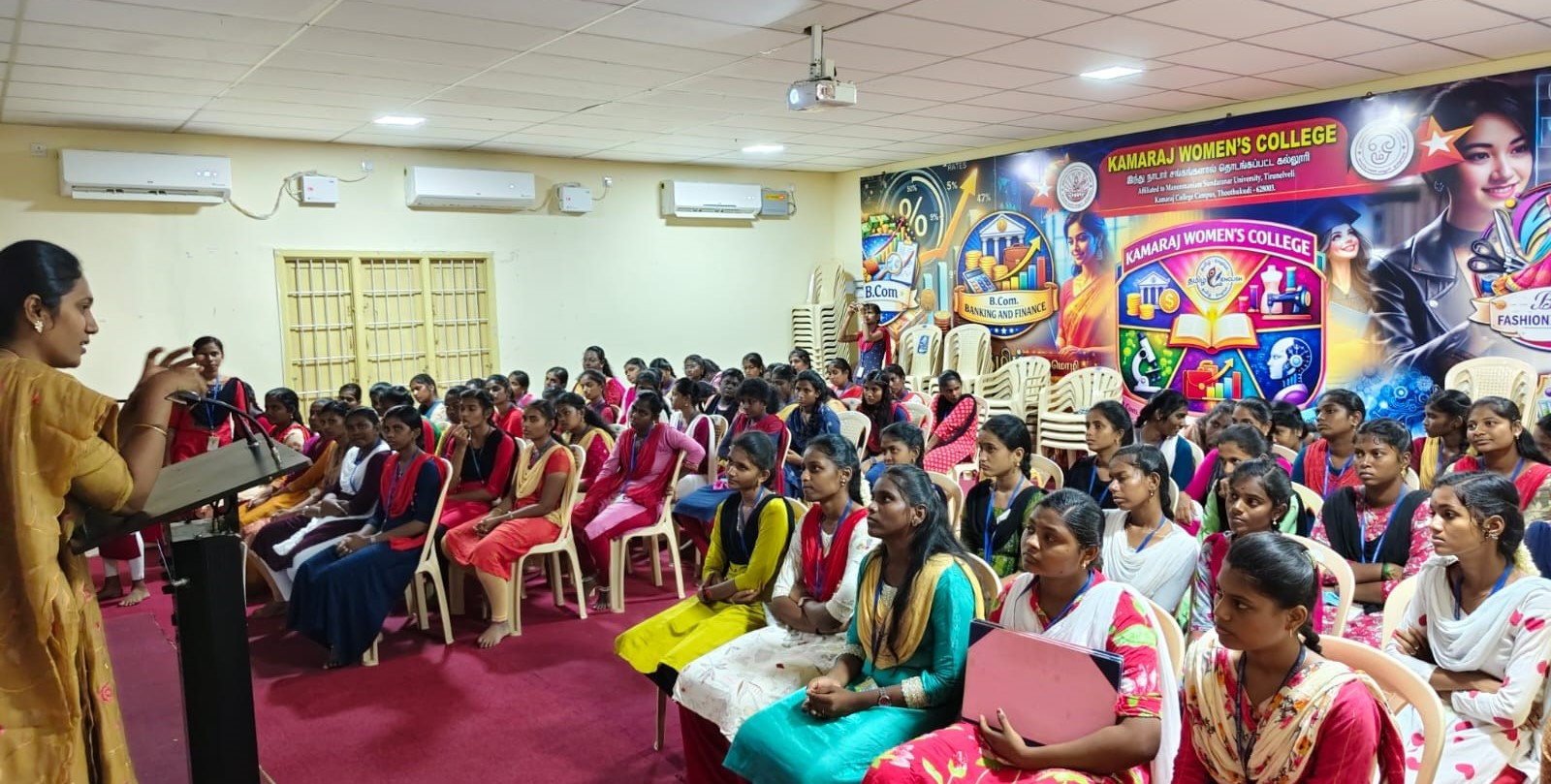
Students actively participated in the programme and showed keen interest in learning about marine life.
The session enabled them to connect scientific concepts with real environmental issues. Moreover, the interaction with a scientist from ICAR–Central Marine Fisheries Research Institute provided valuable exposure to the field of marine science and conservation.
As a result, students gained a broader understanding of marine molluscs, biodiversity and the importance of protecting marine ecosystems.
Programme Outcomes
The programme provided several valuable learning outcomes. Through the session, students were able to:
- Understand the diversity of marine molluscs
- Identify the major groups such as Gastropods, Bivalves and Cephalopods
- Recognise the ecological importance of marine molluscs
- Understand the importance of marine biodiversity
- Gain awareness about plastic pollution and overfishing
- Understand the effects of habitat destruction
- Recognise the importance of responsible fishing practices
- Learn the need to conserve coastal and marine ecosystems
- Develop greater environmental responsibility
- Understand their role in creating public awareness about marine conservation
Thus, the programme successfully combined marine science, biodiversity education and environmental responsibility.
Vote of Thanks
At the conclusion of the programme, N. Sridevi Bavithra delivered the Vote of Thanks.
She expressed gratitude to the resource person, Principal, faculty members, organisers and students for their support and active participation in the programme.
Conclusion
Overall, the programme on “Marine Molluscs: Biodiversity and Conservation” was an informative and meaningful initiative of the Nature Club of Kamaraj Women’s College.
The expert session by M. Kavitha, Scientist, ICAR–Central Marine Fisheries Research Institute, Tuticorin Regional Station, helped students understand the diversity and ecological importance of marine molluscs. Most importantly, the programme created awareness about the serious threats faced by marine organisms due to plastic pollution, overfishing, habitat destruction and other human activities.
The programme encouraged students to adopt environmentally responsible practices and contribute to the protection of marine habitats, coastal ecosystems and biodiversity. It concluded successfully with a strong message that protecting marine life today is essential for preserving healthy oceans for future generations.