
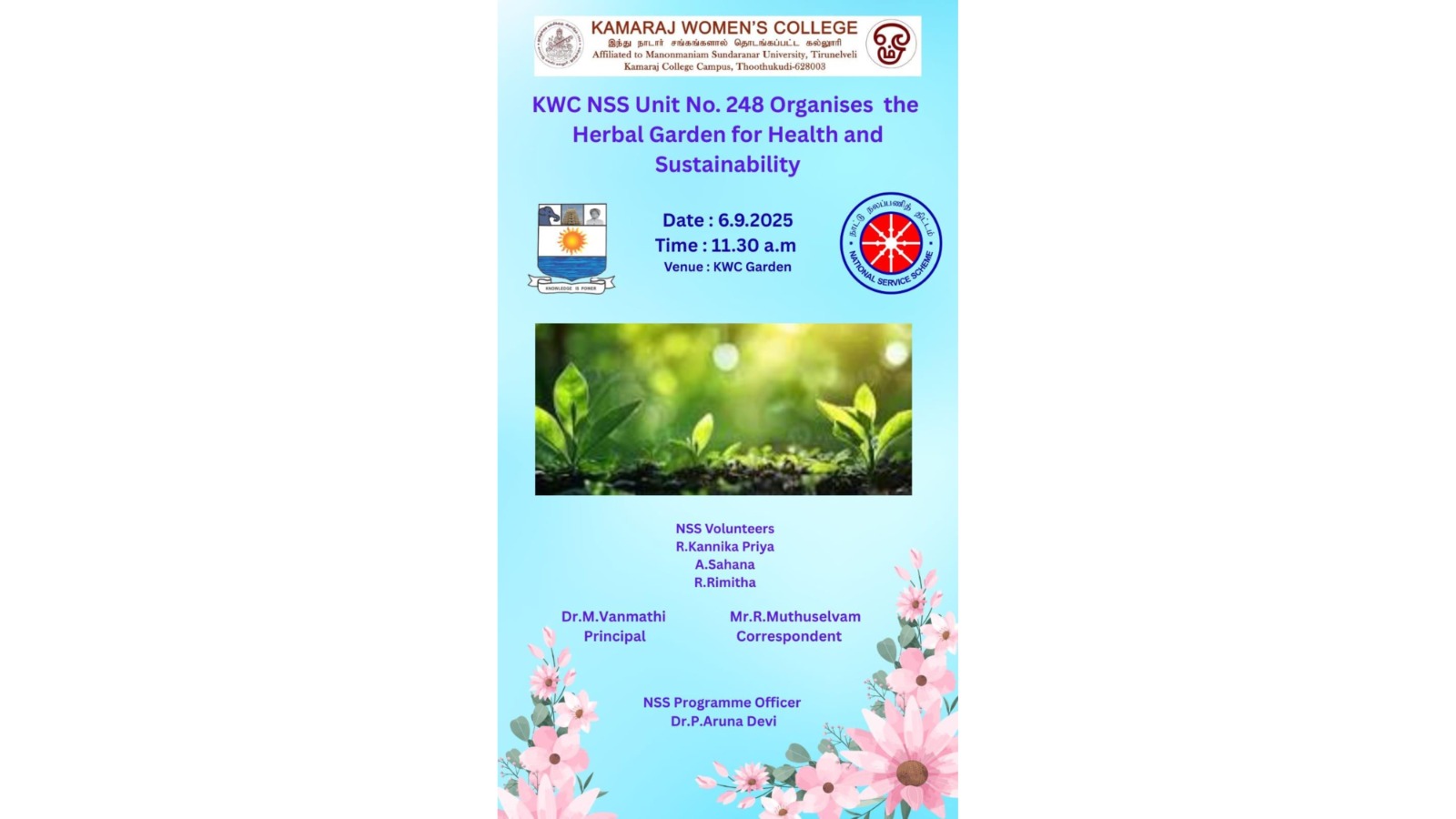
Top 7 Highlights of Herbal Garden Inauguration at Kamaraj Women’s College
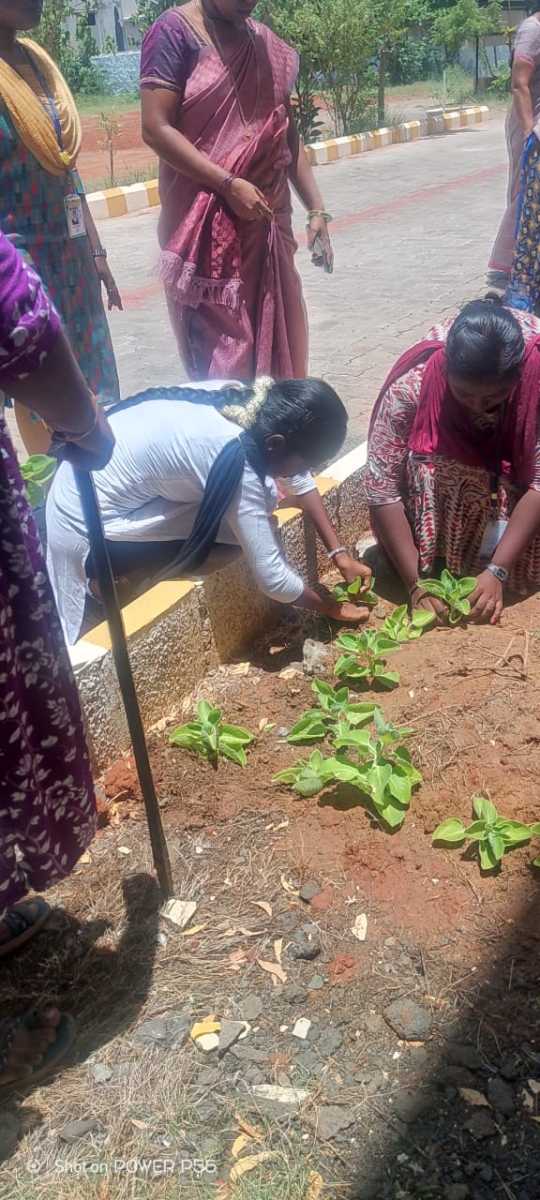
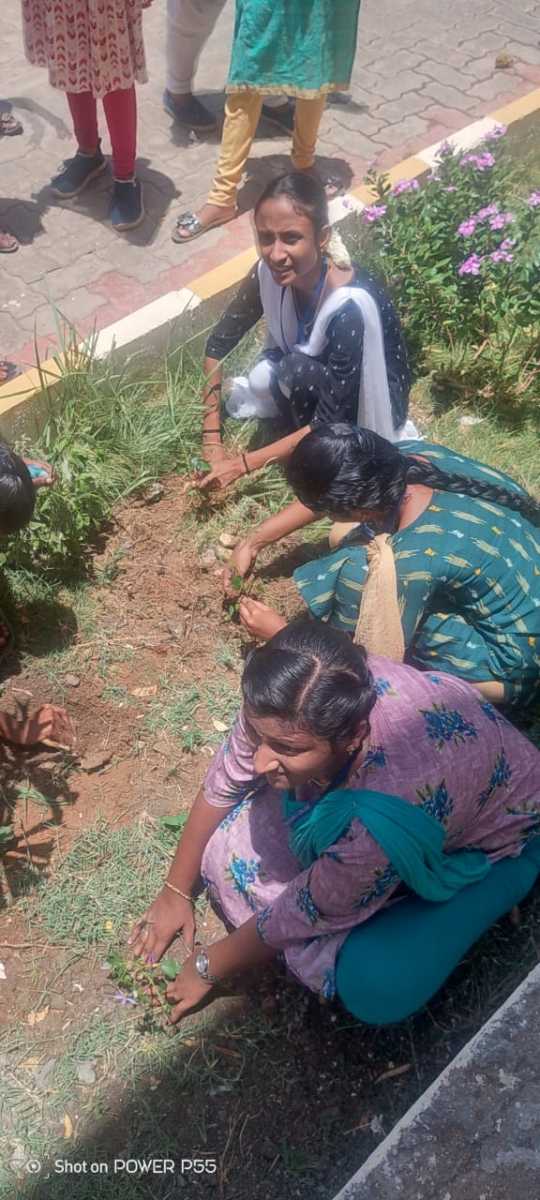
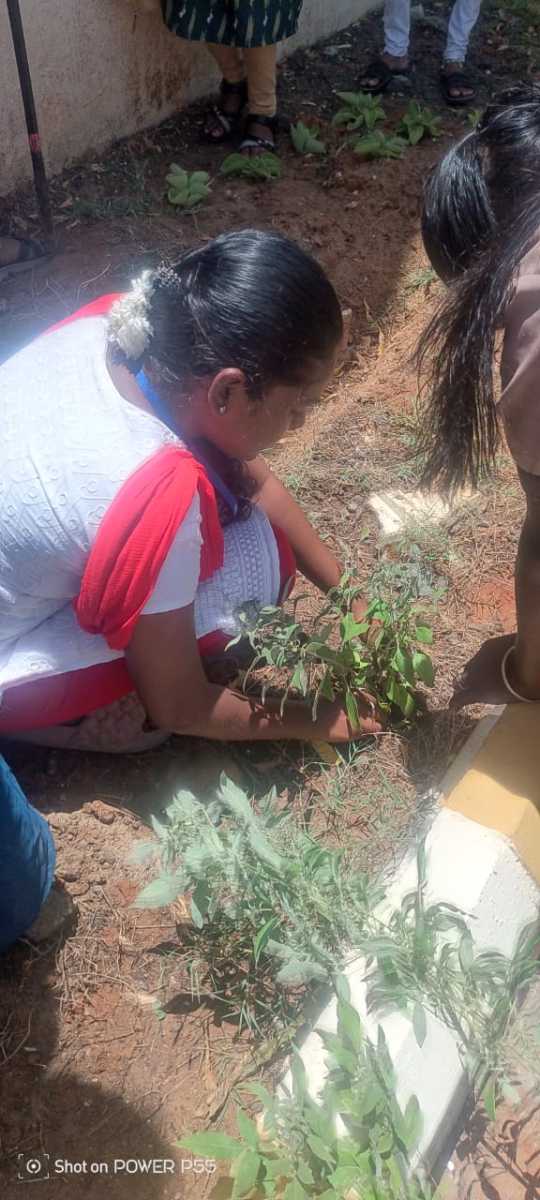
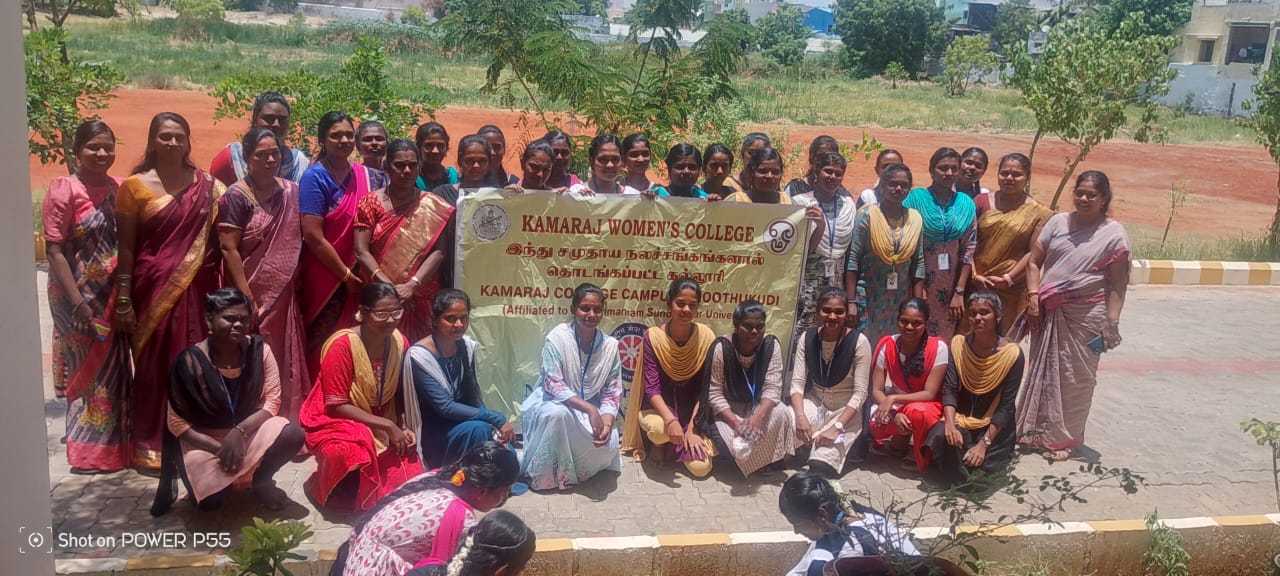
Herbal Garden Inauguration
The NSS Unit No. 248 of Kamaraj Women’s College inaugurated a Herbal Garden for Health and Sustainability on 6th September 2025. The program started at 11:30 a.m. on the college campus. This green initiative reflected the college’s commitment to health, environmental care, and practical education. The garden aims to serve as a living repository of medicinal plants. It will also act as an educational resource and a natural space for students, faculty, and staff to learn and relax.
Objectives of the Herbal Garden
The inauguration of the herbal garden focused on four main objectives that highlight the vision of the NSS Unit.
- To Promote Health and Wellness: The garden provides direct access to medicinal herbs, encouraging the use of natural remedies and preventive health care.
- To Enhance Environmental Sustainability: The plantation increases green cover, improves biodiversity, and contributes to a healthier ecosystem on campus.
- To Educate and Create Awareness: The garden helps students identify, understand, and preserve medicinal herbs that play an important role in traditional health practices.
- To Encourage Community Participation: The program promotes teamwork and collective responsibility among students and staff, encouraging a shared effort toward environmental protection.
Inauguration and Proceedings
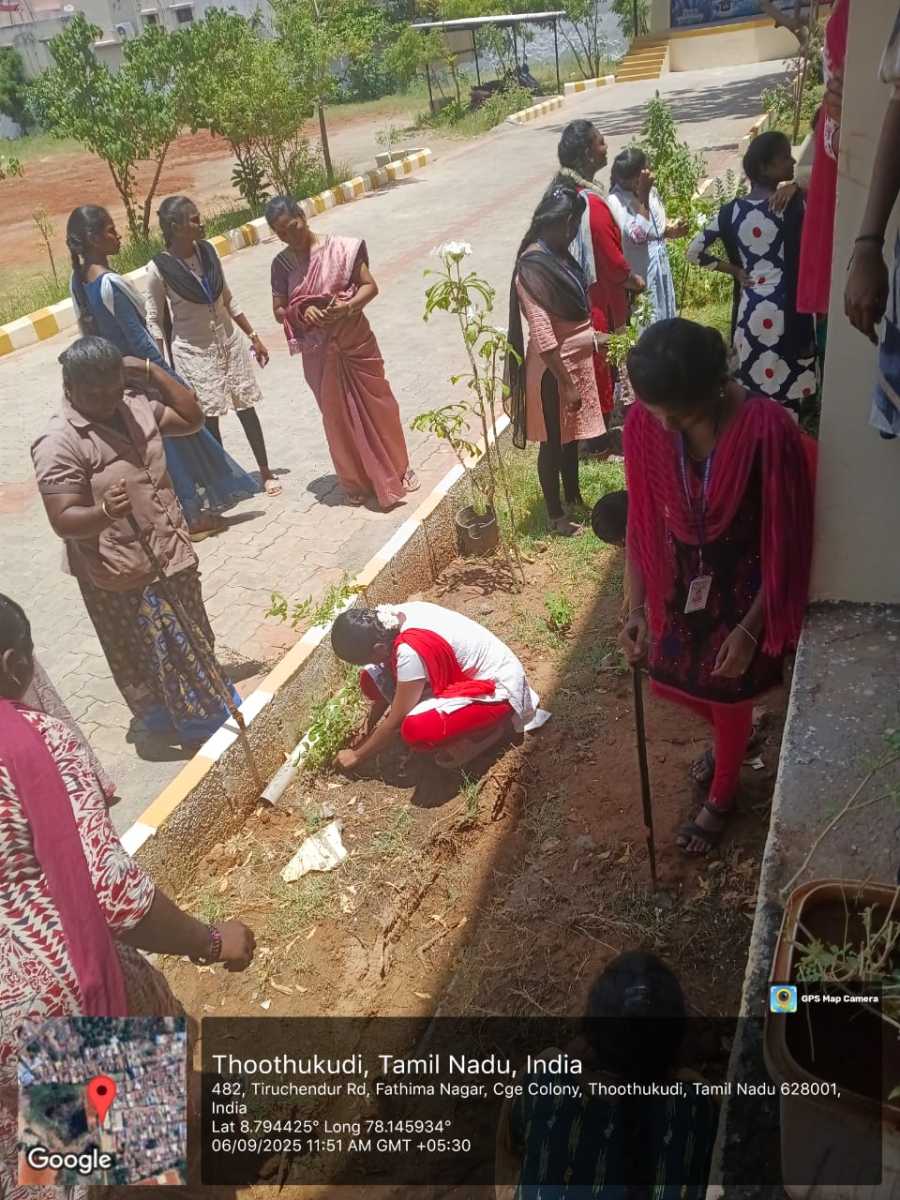
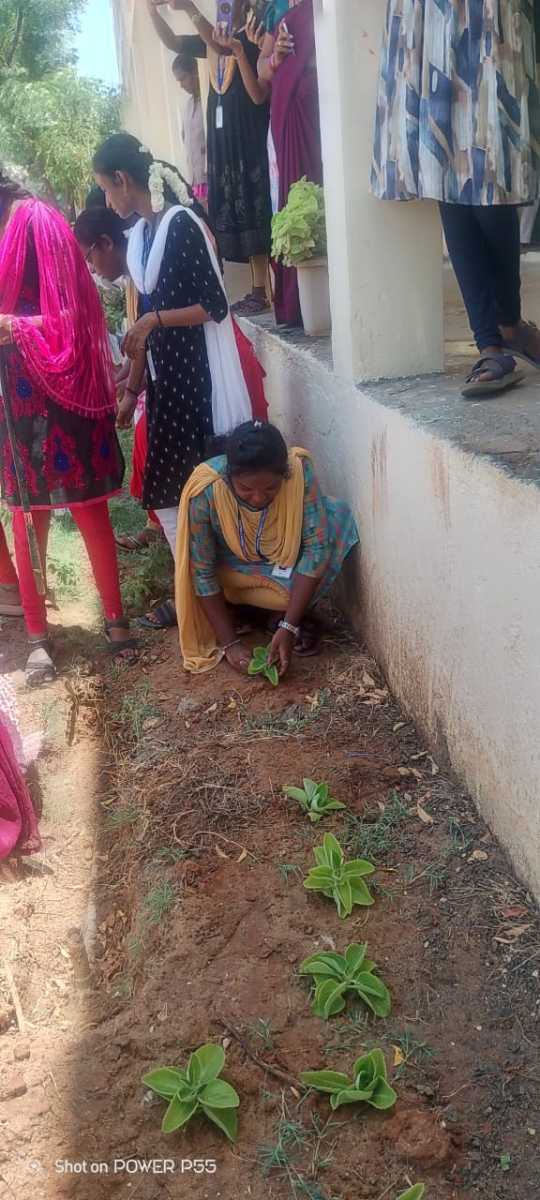
The event began with a warm welcome address by the NSS Program Officer. Students, NSS volunteers, and staff gathered with enthusiasm for the special occasion. The highlight of the event was the ceremonial planting session. Students and volunteers actively planted several saplings, which included herbs of great medicinal importance.
- Omavalli Plant (Ocimum tenuiflorum): Known for its role in boosting immunity and its spiritual significance.
- Nocchi Herb (Vitex negundo): Valued for its anti-inflammatory and pain-relieving properties.
- Thuthuvalai Plant (Solanum torvum): Traditionally used for improving respiratory health.
The careful selection of these species ensured that the garden began with meaningful and beneficial plants.
Expert Addresses and Knowledge Sharing
The program featured inspiring addresses by faculty members who shared valuable knowledge about medicinal herbs.
Dr. P. Aruna Devi, NSS Program Officer, spoke about the long-term benefits of the herbal garden. She highlighted its role in promoting research, learning, and sustainable practices. She also explained the basic care needed to maintain the plants.
Dr. M. Vanamathi delivered a detailed talk about the healing properties of each plant. She explained how Omavalli improves immunity, how Nocchi leaves help relieve joint pain, and how Thuthuvalai supports respiratory health. Her insights helped students connect traditional medicine to modern health awareness.
Participation and Volunteer Efforts
The participation of NSS volunteers and students added great energy to the program. Students eagerly took part in planting, watering, and labeling each sapling. Faculty and staff also joined, setting an example of teamwork and shared responsibility. The involvement of so many participants created a sense of ownership toward the newly planted garden.
Conclusion and Future Vision
The inauguration of the herbal garden marked a successful step toward integrating health, tradition, and sustainability. The garden is not just a plantation area; it is a living classroom. It will benefit students of Botany, Biochemistry, and Nursing as an open-air laboratory. It also provides a calm and green space for relaxation. The college plans to expand the garden and organize workshops on herbal medicine in the future. This initiative will continue to nurture awareness and respect for nature.
Acknowledgements
The NSS Unit No. 248 extends gratitude to the Principal of Kamaraj Women’s College for supporting the initiative. Special thanks were offered to Dr. P. Aruna Devi for her planning and leadership, and to Dr. M. Vanamathi for her expert insights. The contribution of NSS volunteers, enthusiastic students, and staff played a crucial role in the success of the program. Their combined efforts transformed the idea of a herbal garden into a meaningful achievement for the college community.