
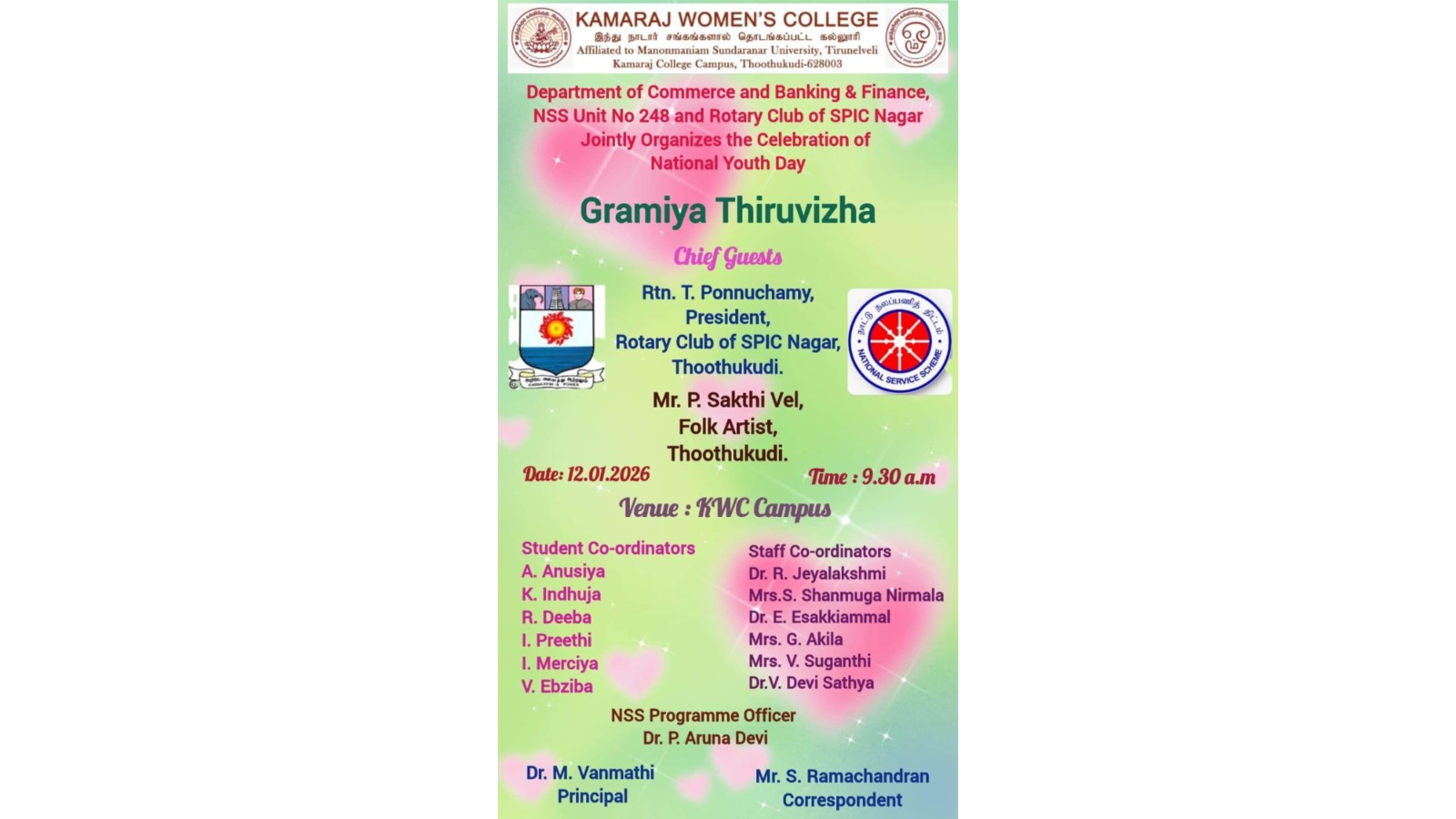
Gramiya Thiruvizha: Vibrant Celebration on National Youth Day
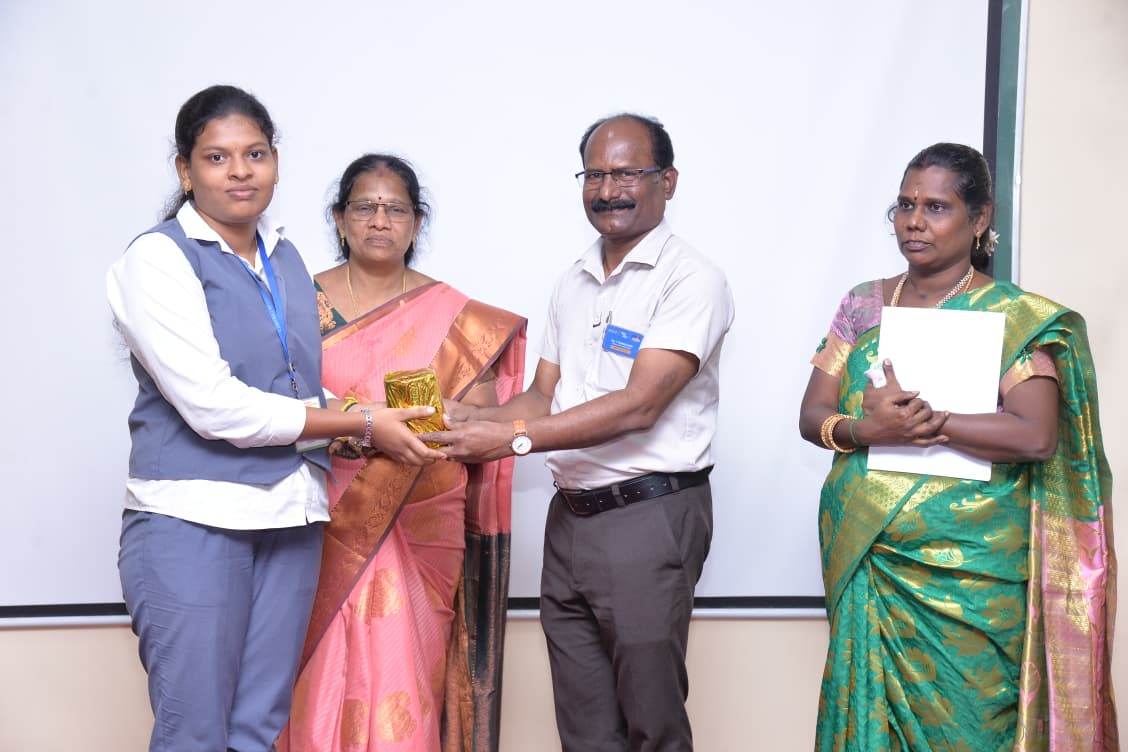
Gramiya Thiruvizha
Introduction
In connection with the National Youth Day celebrations for the academic year 2025–2026, the Department of Commerce and Banking & Finance and NSS Unit No. 248 of Kamaraj Women’s College, in collaboration with the Rotary Club of SPIC Nagar, Thoothukudi, organized a culturally vibrant programme titled Gramiya Thiruvizha on 12 January 2026. The celebration took place on the college campus and reflected the richness of India’s rural traditions.
Moreover, the programme aimed to nurture leadership qualities, social responsibility, and cultural awareness among students. At the same time, it commemorated the ideals of Swami Vivekananda, whose birth anniversary is observed as National Youth Day. Thus, the event blended cultural celebration with youth empowerment in a meaningful manner.
Objectives of the Programme
The organizing departments designed Gramiya Thiruvizha with well-defined educational and social objectives. Consequently, these goals aligned closely with student development and community engagement.
The primary objectives were:
- To celebrate National Youth Day through a culturally rooted initiative
- To create awareness about rural traditions and folk heritage
- To instill leadership qualities and ethical values among students
- To encourage teamwork and creative expression
- To promote social responsibility through cultural participation
Thus, the programme served both academic and social purposes.
Inaugural Session and Welcome
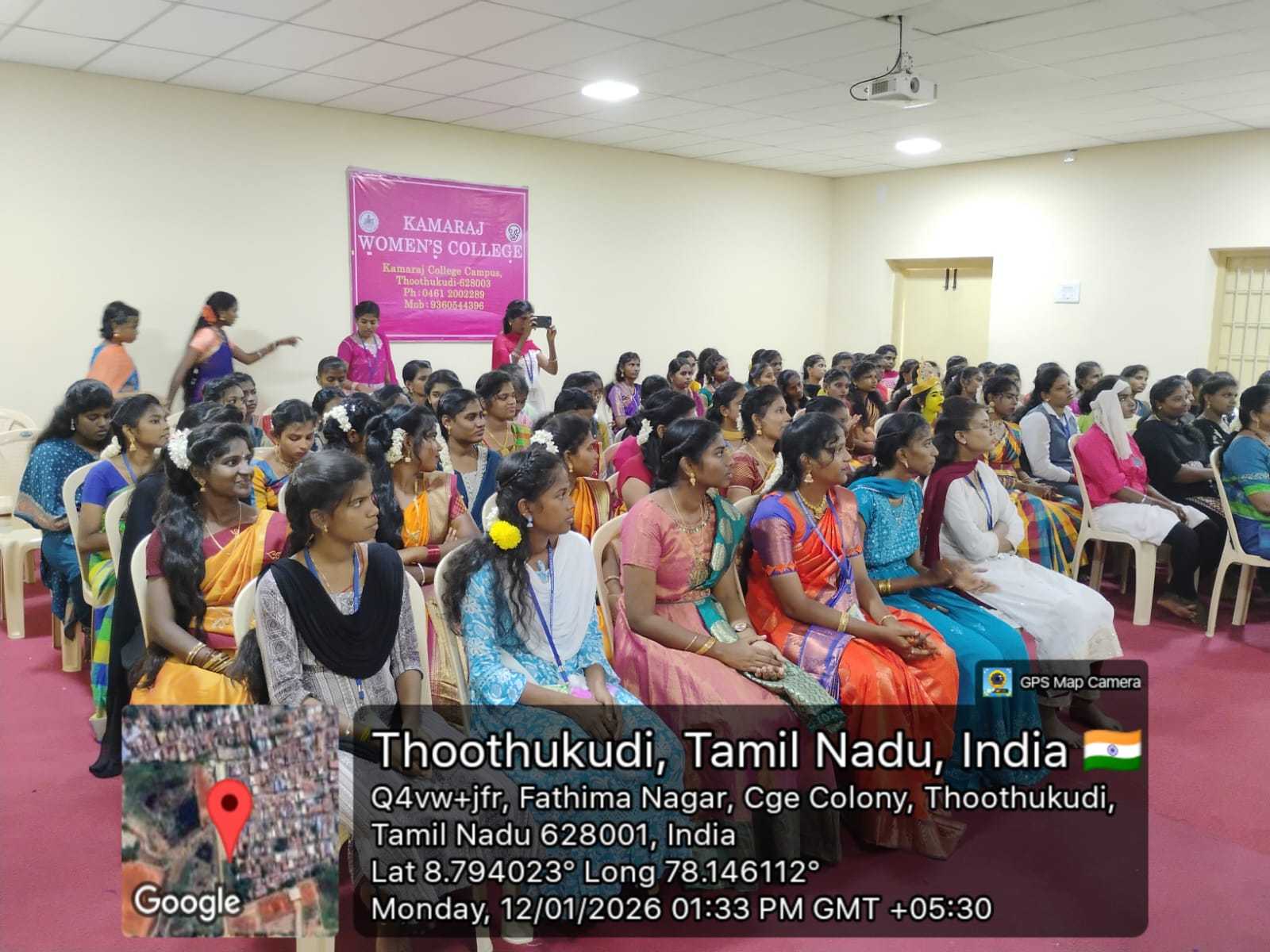
Initially, the programme began with a warm welcome extended to the dignitaries, faculty members, NSS volunteers, and students. This opening session helped establish a positive and inclusive atmosphere for the day’s events.
Furthermore, the presence of distinguished guests added significance to the celebration. As a result, students gained exposure to leadership perspectives beyond the classroom.
Chief Guest Address
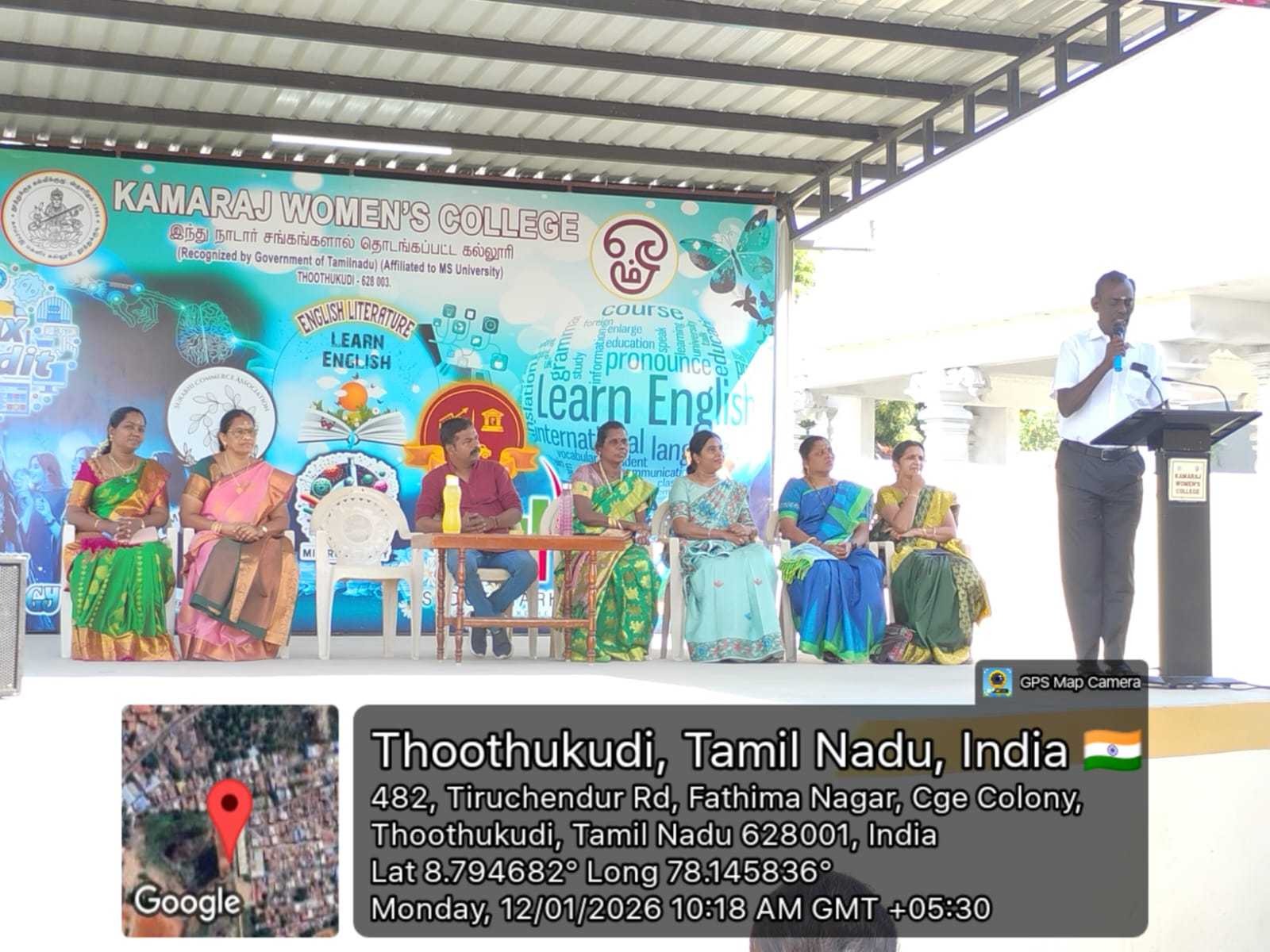
Subsequently, Rtn. T. Ponnuchamy, President of the Rotary Club of SPIC Nagar, Thoothukudi, addressed the gathering and highlighted the vital role of youth in nation-building. In particular, he emphasized service, moral leadership, and discipline as key responsibilities of young citizens.
Moreover, he drew inspiration from the teachings of Swami Vivekananda and urged students to preserve rural culture while embracing modern education. Therefore, his address strongly reinforced the objectives of Gramiya Thiruvizha and motivated the students.
Session on Folk Arts and Cultural Identity
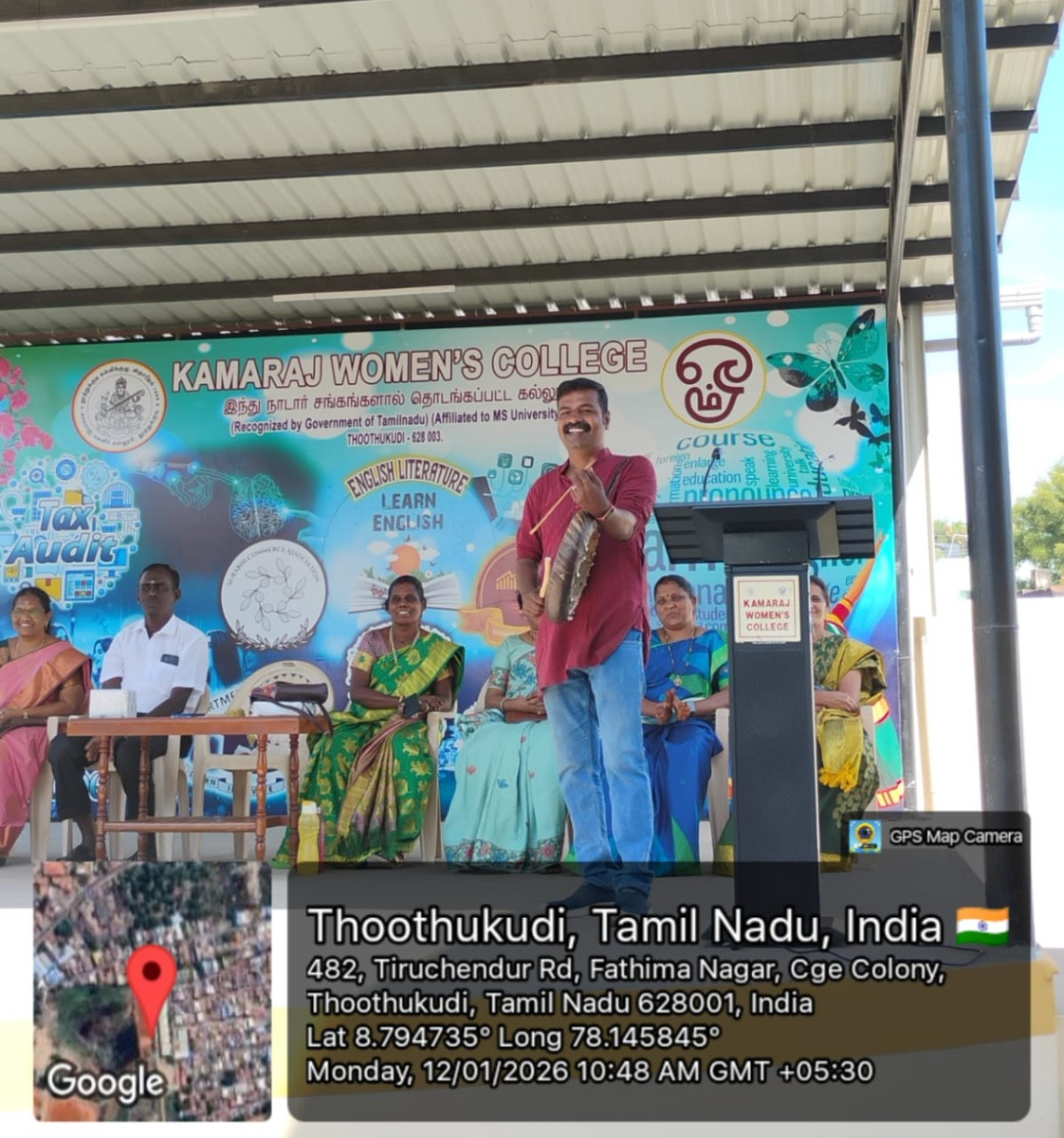
Following the chief guest’s address, Mr. P. Sakthi Vel, a renowned Folk Artist from Thoothukudi, interacted with the students. During the session, he explained the importance of folk arts in sustaining cultural identity and community values.
Additionally, he encouraged students to actively participate in traditional art forms. Consequently, the session inspired students to view folk culture as a living tradition rather than a fading practice.
Traditional Competitions and Student Participation
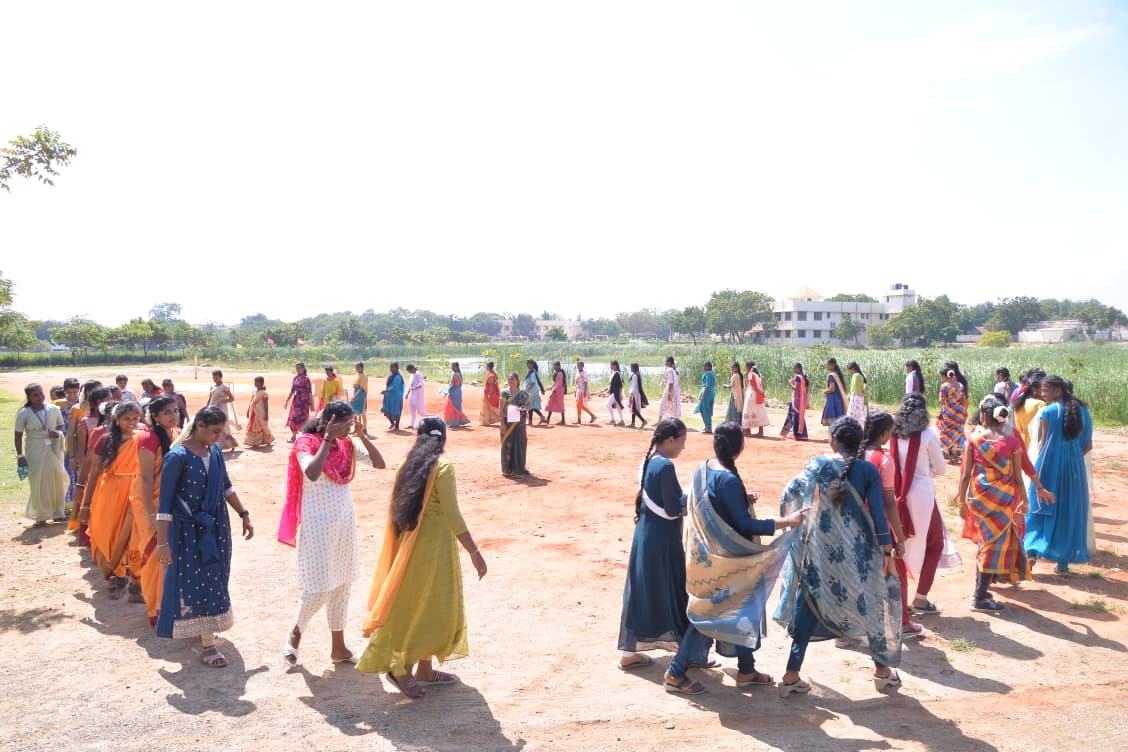
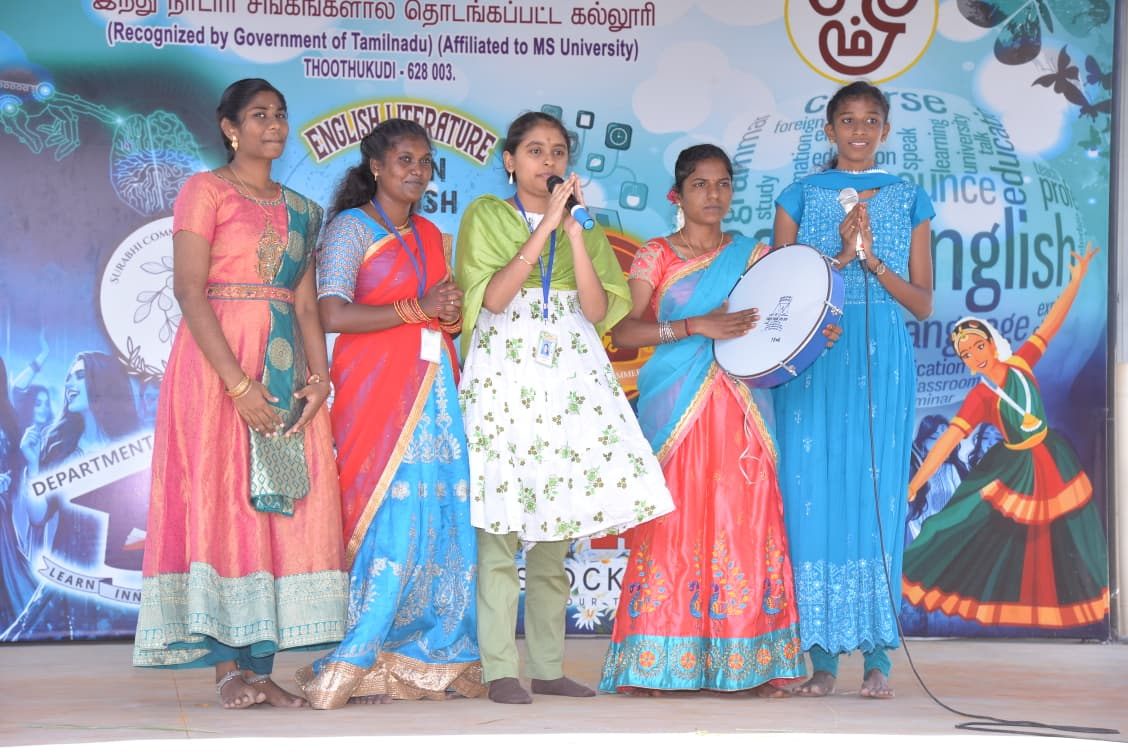
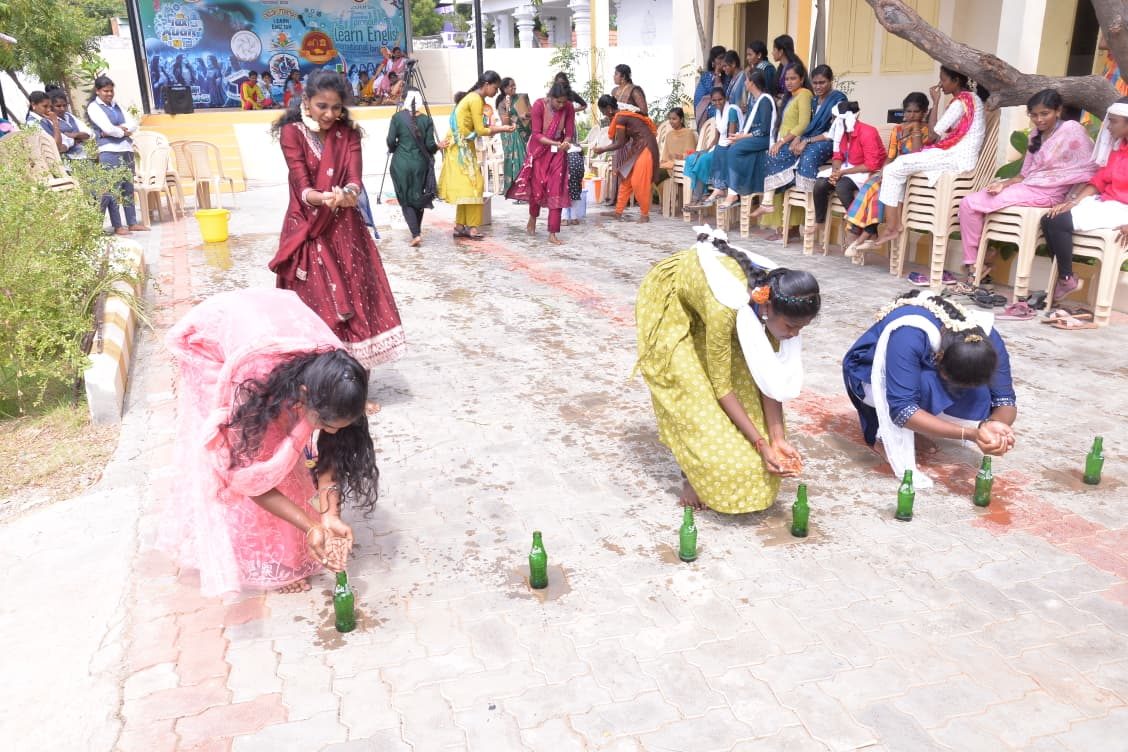
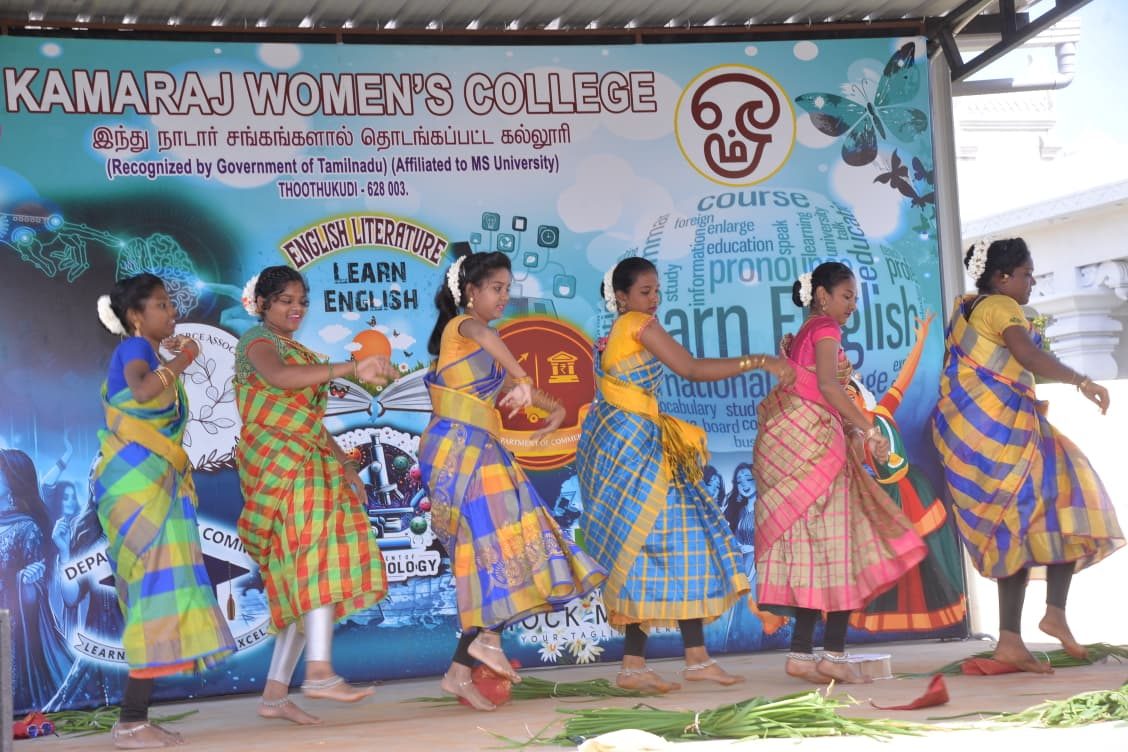
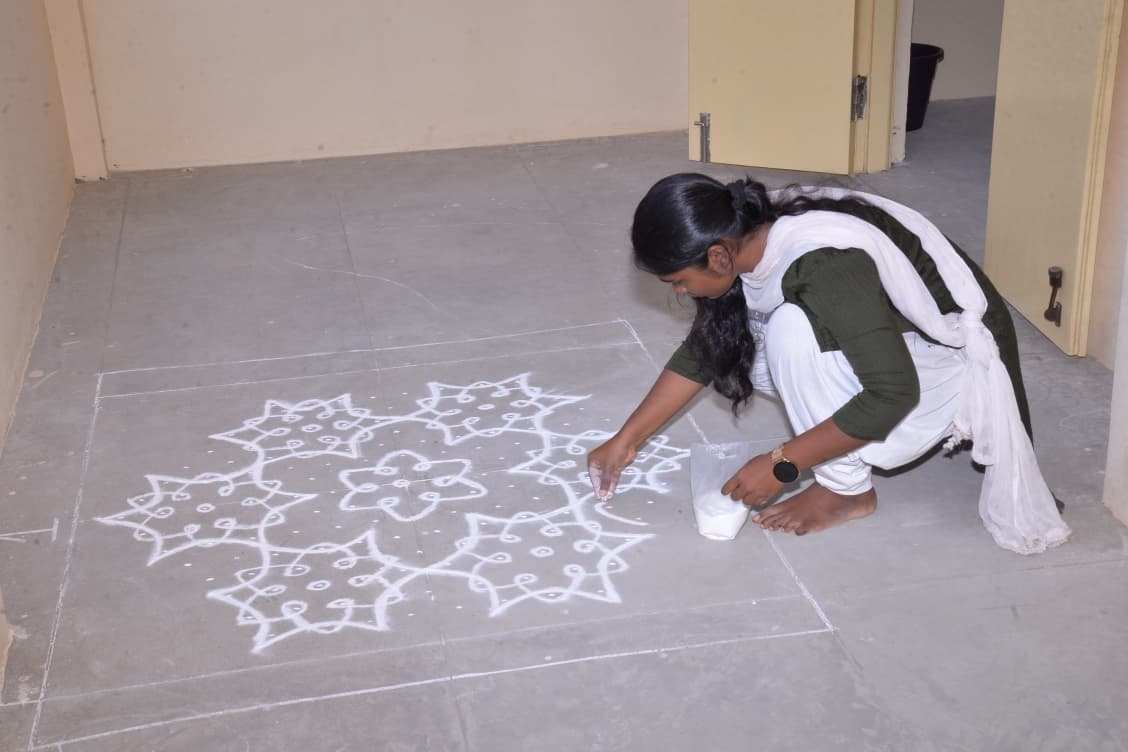
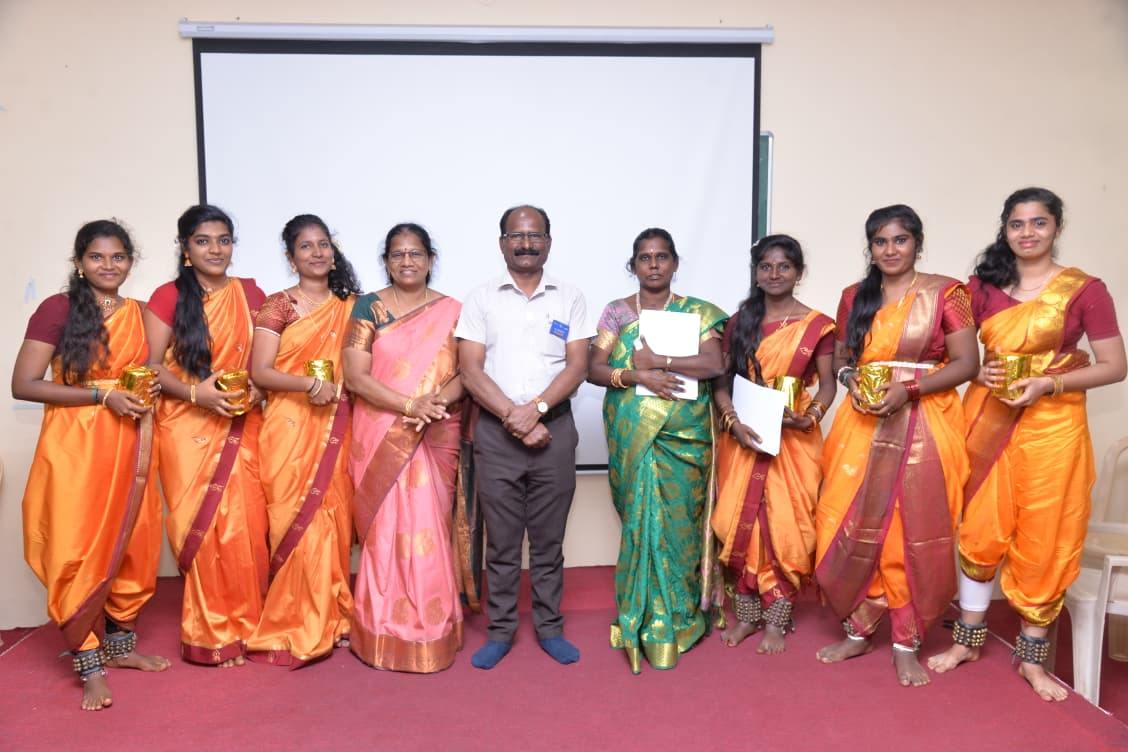
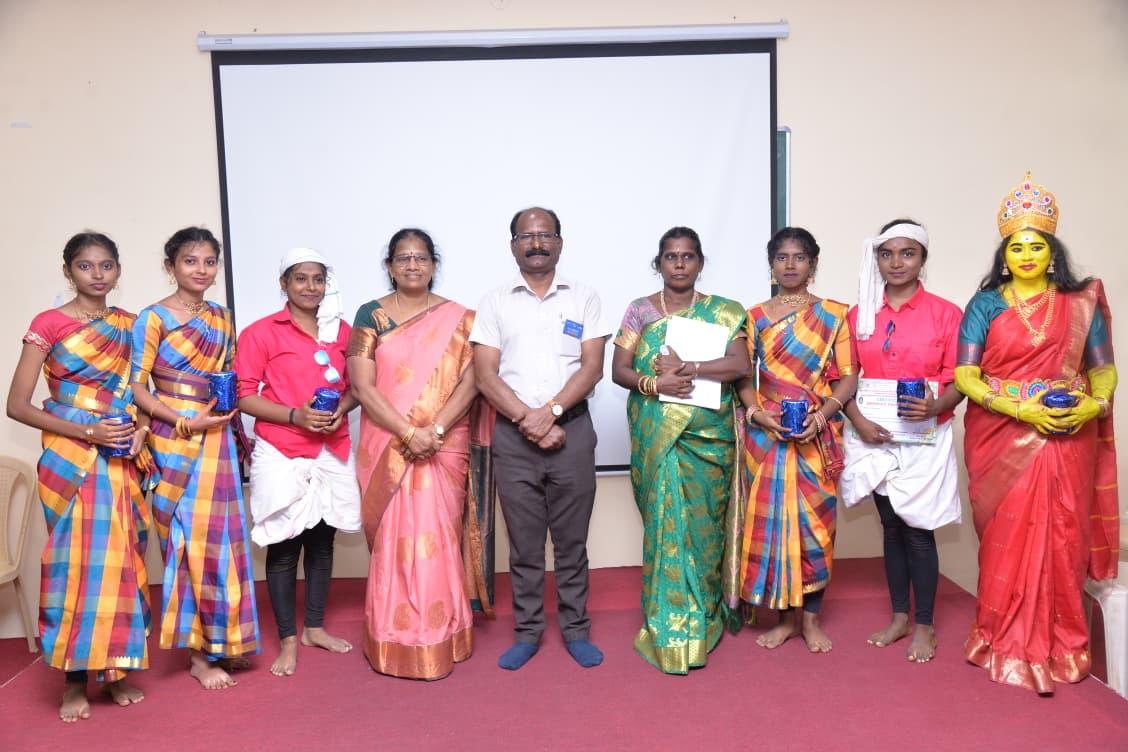
One of the major highlights of the Gramiya Thiruvizha was the series of traditional competitions organized for students. Notably, these activities recreated the joyful atmosphere of rural festivals.
The competitions included:
- Group dance
- Group singing
- Odd or Even
- Water filling in the bottle
- Kambi Kolam
Meanwhile, students participated with great enthusiasm and teamwork. As a result, the events reflected creativity, coordination, and cultural pride.
Judging and Encouragement
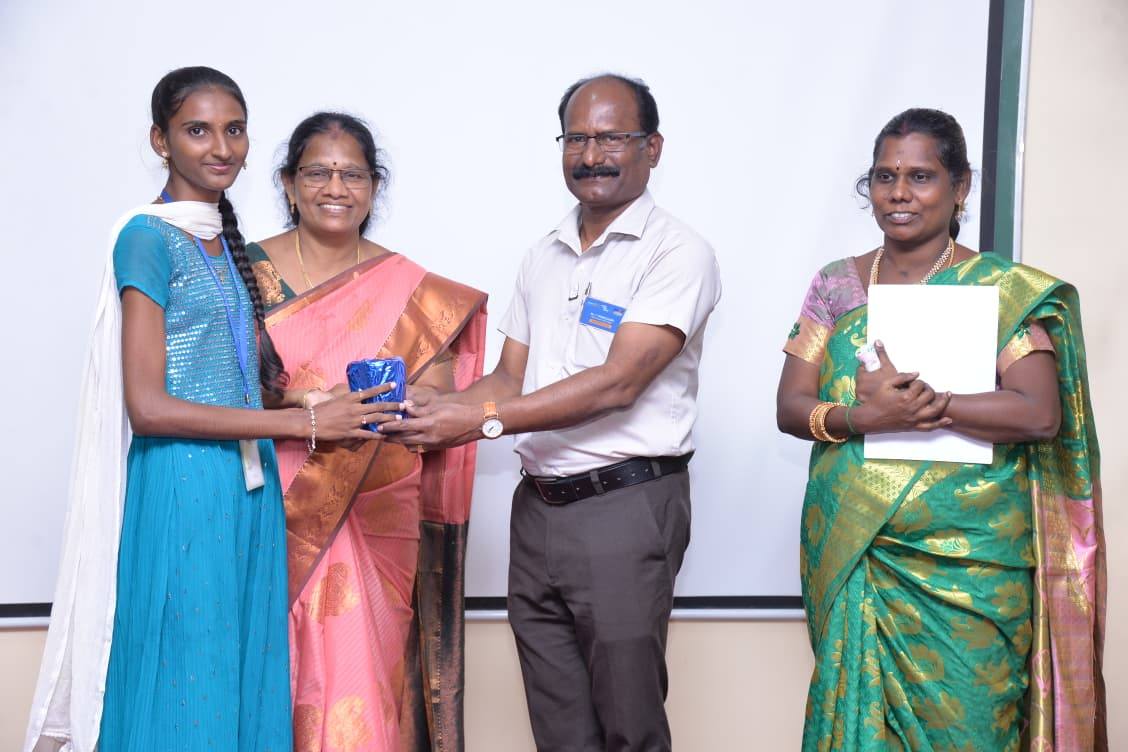
In addition, Mrs. Prema, Mrs. Kamleshwari, and Mrs. Subha served as judges for the competitions. They evaluated the performances fairly and offered constructive feedback.
Hence, students felt encouraged and confident throughout the programme.
Role of NSS and Programme Coordination
Importantly, Dr. P. Aruna Devi, NSS Programme Officer, coordinated the entire programme with the support of faculty members and NSS volunteers. Their collective efforts ensured smooth execution at every stage.
Therefore, the collaboration between the Department, NSS Unit, and Rotary Club played a crucial role in the success of Gramiya Thiruvizha.
Impact and Outcomes
Overall, the celebration of National Youth Day through Gramiya Thiruvizha created meaningful learning experiences for students. It successfully blended cultural heritage with youth engagement.
The major outcomes included:
- Improved awareness of rural traditions
- Strengthened unity and cooperation among students
- Enhanced leadership and social responsibility
- Greater appreciation of folk arts
- Joyful and participatory learning experiences
Thus, the programme achieved its intended objectives effectively.
Conclusion
In conclusion, the Gramiya Thiruvizha celebration offered a refreshing and culturally grounded approach to National Youth Day 2026. By combining traditional arts, leadership discourse, and student participation, the programme reinforced the importance of heritage, service, and unity.
Finally, the event concluded on a joyful note, leaving students with lasting memories and a renewed sense of cultural pride.
For more institutional updates, visit Kamaraj Women’s College.
For additional information on National Youth Day, refer to Vikaspedia – National Youth Day.