
Global Warming Awareness Programme Promotes Sustainable Living
Report on National-Level Programme – Silent Saturday “Why Me?”
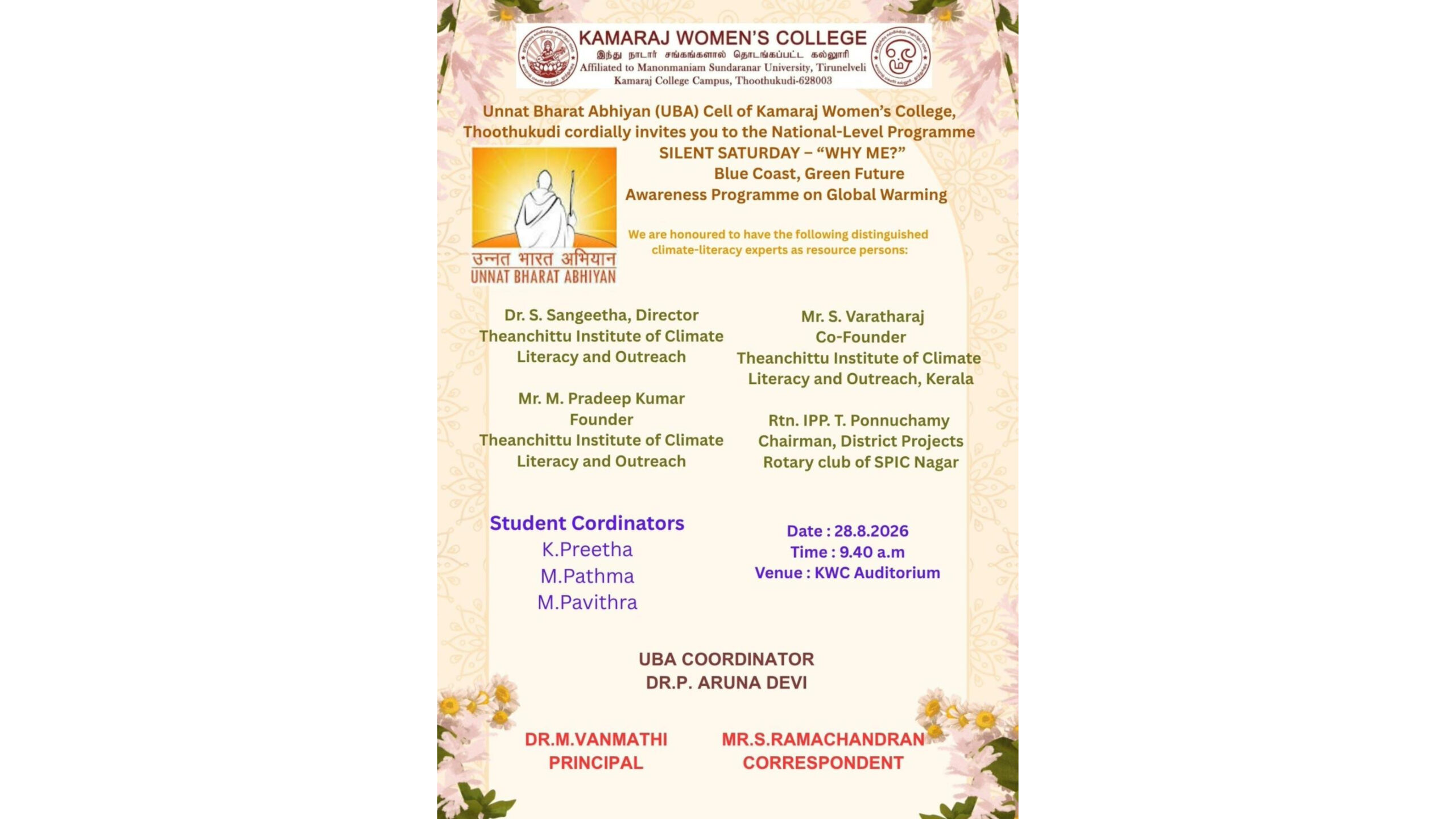
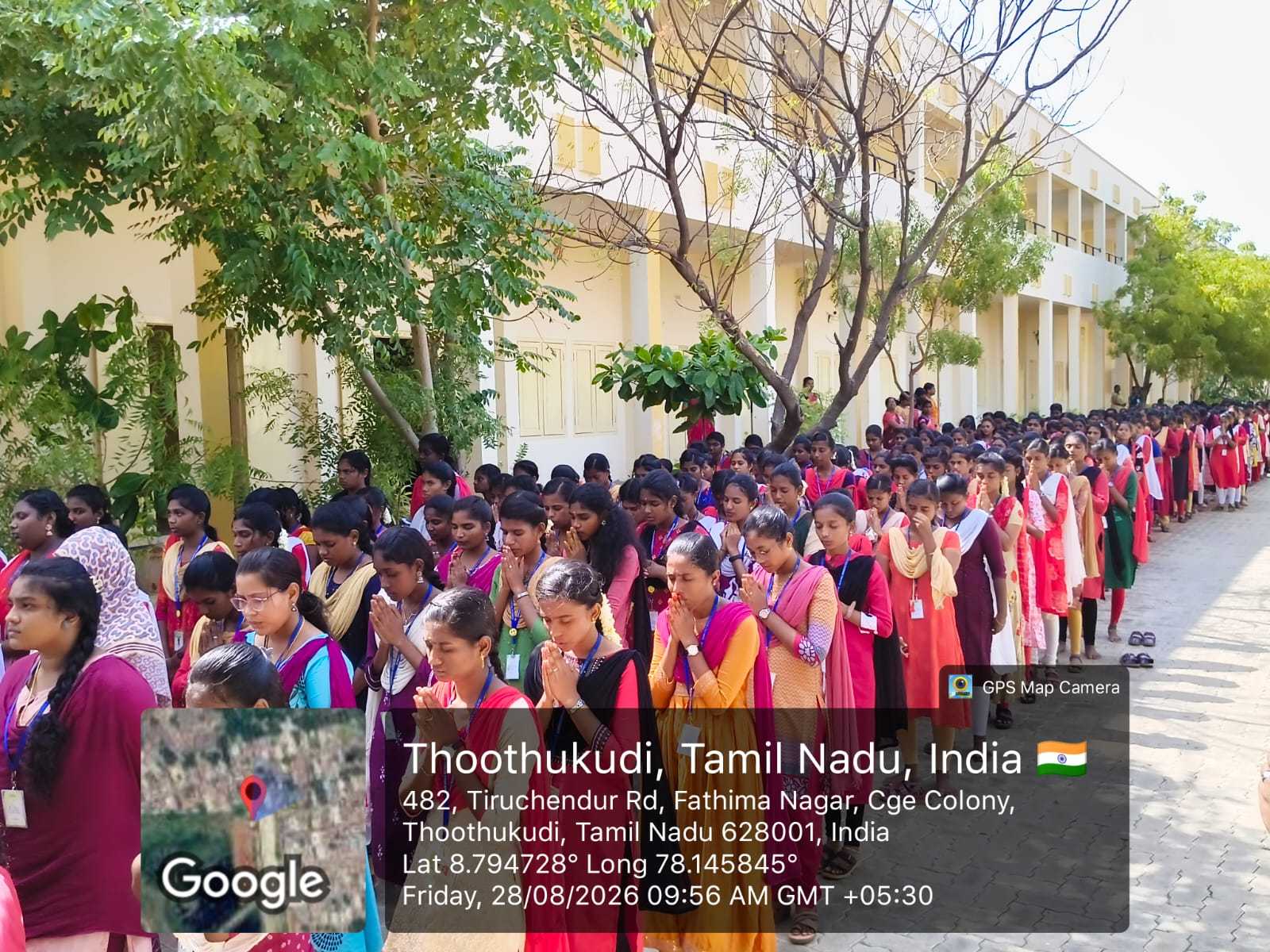
The Unnat Bharat Abhiyan (UBA) Cell of Kamaraj Women’s College, Thoothukudi, organised a National-Level Programme titled “Silent Saturday – Why Me? – Blue Coast, Green Future: Awareness Programme on Global Warming” on 28 August 2026 at 9.40 a.m. at the KWC Auditorium.
The programme aimed to create Global Warming Awareness among students and encourage them to understand the effects of climate change. Moreover, the sessions promoted environmental responsibility, sustainable living and simple everyday actions that can help protect the Earth.
Dr. P. Aruna Devi, UBA Coordinator, organised the programme as part of the environmental and community-oriented initiatives of the UBA Cell.
Objectives of the Programme
The programme focused on the following objectives:
- Create awareness about global warming and climate change
- Explain the environmental impact of human activities
- Promote sustainable lifestyle practices among students
- Encourage responsible production and consumption
- Create awareness about Extended Producer Responsibility
- Promote the use of recycled and eco-friendly products
- Encourage responsible use of electricity and other resources
- Develop individual responsibility towards environmental protection
Thus, the programme encouraged students to understand that even simple lifestyle changes can contribute to a healthier environment.
Inauguration of the National-Level Programme
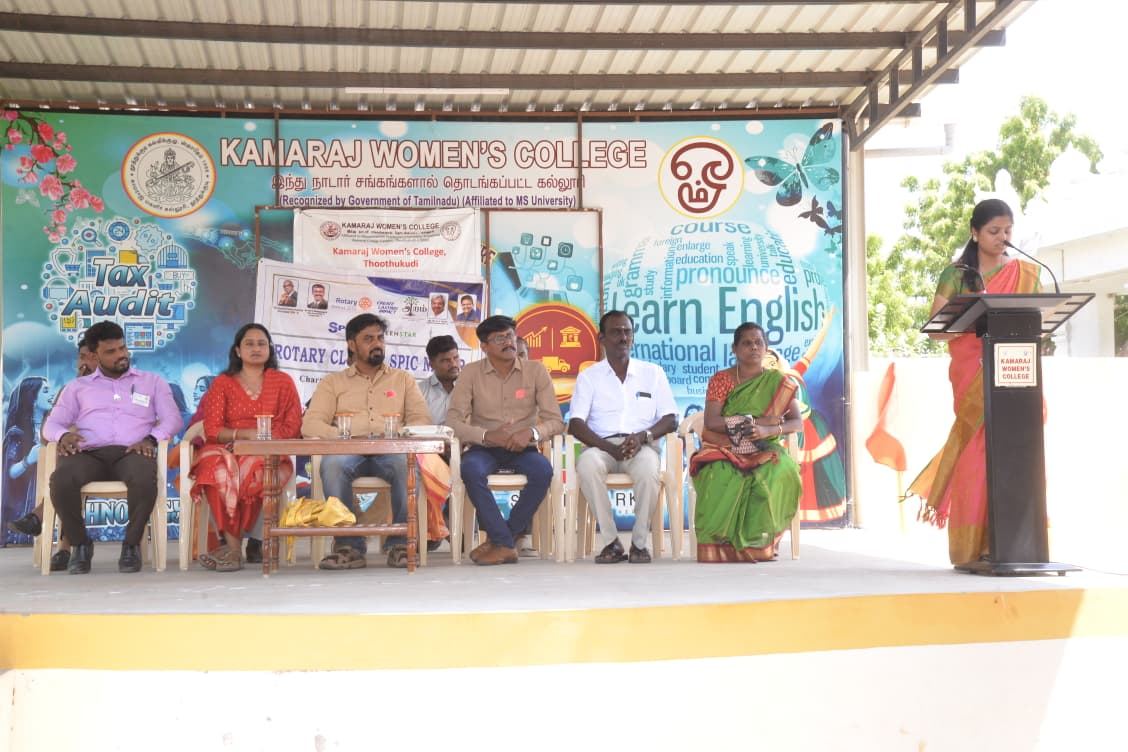
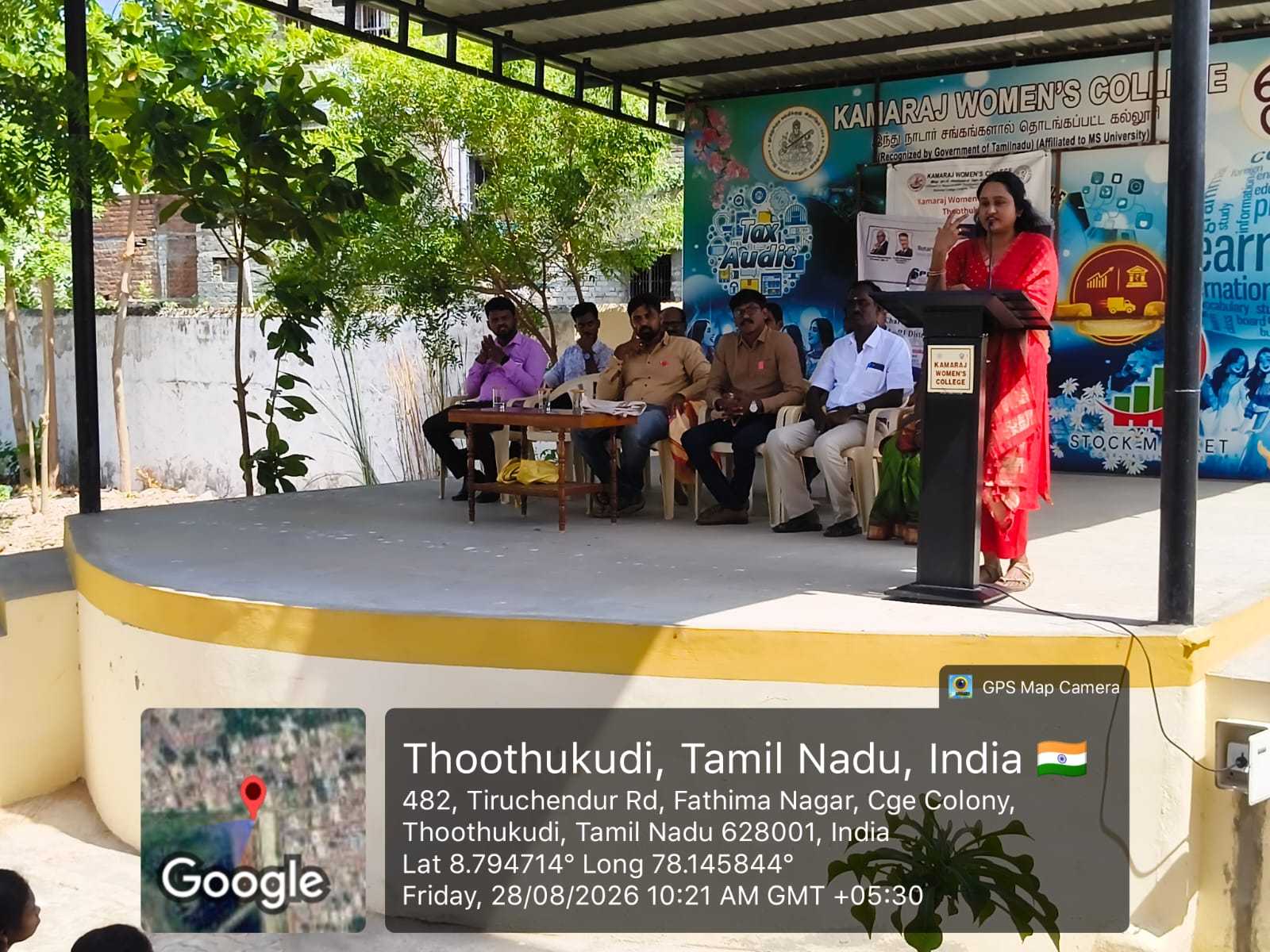
Mr. S. Ramachandran, Correspondent, Kamaraj Women’s College, inaugurated the programme.
Rtn. IPP. T. Ponnuchamy, Chairman, District Projects, Rotary Club of SPIC Nagar, also participated in the programme and shared valuable environmental guidance with the students.
The inaugural session highlighted the need for collective action to address environmental challenges. Furthermore, it encouraged students to recognise their role in building a cleaner and more sustainable future.
Distinguished Resource Persons
The programme featured three distinguished resource persons from Theanchittu Institute of Climate Literacy and Outreach:
- Dr. S. Sangeetha – Director, Theanchittu Institute of Climate Literacy and Outreach
- Mr. M. Pradeep Kumar – Founder, Theanchittu Institute of Climate Literacy and Outreach
- Mr. S. Varatharaj – Co-Founder, Theanchittu Institute of Climate Literacy and Outreach, Kerala
Their sessions introduced students to different aspects of climate change, responsible consumption, environmental protection and sustainable living.
Heat Disaster and Extended Producer Responsibility
Mr. M. Pradeep Kumar addressed the students on the growing heat-related challenges faced by the Earth and the dangers associated with global warming.
He also introduced the concept of Extended Producer Responsibility (EPR). He explained the responsibilities of producers and discussed the present status and significance of EPR.
Furthermore, he highlighted how responsible production and consumption can help reduce environmental damage. His session encouraged students to think carefully about the environmental impact of the products they purchase and use.
Silent Saturday and Sustainable Lifestyle Practices
Dr. S. Sangeetha explained the important features of “Silent Saturday” and encouraged students to adopt simple but meaningful environmental practices.
She suggested several practical lifestyle changes, including:
- Using public transport whenever possible
- Avoiding unnecessary purchases
- Buying products from local markets
- Reducing transportation-related environmental impacts
- Reducing unnecessary mobile-phone use at night
- Making environmentally responsible choices in daily life
Most importantly, she highlighted the role of individual responsibility in protecting the environment.
The session demonstrated that environmental action does not always require major changes. Instead, consistent and responsible daily habits can collectively create a meaningful impact.
Promoting a Green Earth
Mr. S. Varatharaj focused his session on the importance of creating and maintaining a green Earth.
He encouraged students to choose recycled and eco-friendly products whenever possible. In addition, he explained how sustainable choices can help reduce waste and conserve natural resources.
His message encouraged students to examine their everyday habits and identify practical ways to reduce their environmental footprint.
Environmental Responsibility through Everyday Actions
Rtn. IPP. T. Ponnuchamy spoke about the environmental responsibilities promoted through Rotary activities.
He encouraged students to carry their own reusable vessels while purchasing or eating food. This simple practice can help reduce dependence on disposable containers and unnecessary waste.
Furthermore, he stressed the importance of conserving electricity. He encouraged students to switch off fans and lights whenever they are not required.
These practical suggestions helped participants understand how small individual actions can contribute to environmental conservation.
Responsible Consumption and Environmental Protection
A key message throughout the programme was the importance of responsible consumption.
Students learned that their purchasing decisions can have environmental consequences. Therefore, reducing unnecessary purchases, supporting local markets, choosing reusable products and avoiding waste can contribute to sustainable living.
Moreover, the sessions encouraged students to think beyond convenience and consider the environmental impact of their daily choices.
Individual Responsibility for Climate Action
The programme strongly emphasised that protecting the environment is not only the responsibility of governments and organisations.
Every individual has a role to play in reducing environmental damage. Therefore, students were encouraged to make conscious decisions in areas such as transportation, electricity consumption, purchasing, mobile-phone usage, waste reduction and product selection.
The resource persons also demonstrated how individual actions, when practised consistently by many people, can contribute to larger environmental improvements.
Programme Outcomes
The Global Warming Awareness Programme provided several meaningful learning outcomes. Through the sessions, students were able to:
- Understand the seriousness of global warming and climate change
- Gain awareness about heat-related environmental challenges
- Understand the basic concept of Extended Producer Responsibility
- Recognise the importance of responsible production and consumption
- Learn practical sustainable lifestyle habits
- Understand the benefits of public transport and local purchasing
- Recognise the importance of recycled and eco-friendly products
- Learn simple methods to conserve electricity
- Understand the environmental benefits of reusable products
- Develop greater personal responsibility towards protecting the Earth
Consequently, the programme transformed climate awareness into practical ideas that students could apply in their everyday lives.
Blue Coast, Green Future
The theme “Blue Coast, Green Future” reinforced the importance of protecting natural resources while moving towards a sustainable future.
The programme encouraged students to understand that environmental protection begins with awareness but must continue through action. Moreover, it motivated them to share sustainable practices with their families, friends and communities.
Through such collective efforts, students can become active contributors to climate action and environmental conservation.
Conclusion
Overall, the National-Level Programme “Silent Saturday – Why Me? – Blue Coast, Green Future” proved to be an informative and meaningful environmental awareness initiative.
The sessions by Dr. S. Sangeetha, Mr. M. Pradeep Kumar, Mr. S. Varatharaj and Rtn. IPP. T. Ponnuchamy helped students understand global warming from both environmental and practical perspectives. In addition, their suggestions showed how responsible consumption, public transport, local purchasing, reusable products, electricity conservation and other sustainable habits can support environmental protection.
Most importantly, the programme reinforced the message that every individual has a responsibility to protect the Earth. It encouraged students to move from awareness to action by making simple and sustainable choices in their daily lives.
The programme concluded with a Vote of Thanks. The active support of the college management, UBA Cell, resource persons, faculty members and students contributed significantly to the successful conduct of the programme.