
Food Safety Workshop Builds Practical Microbiology Skills at KWC

Report on FOOD DETECTIVES: Exploring Food Safety & Quality Testing
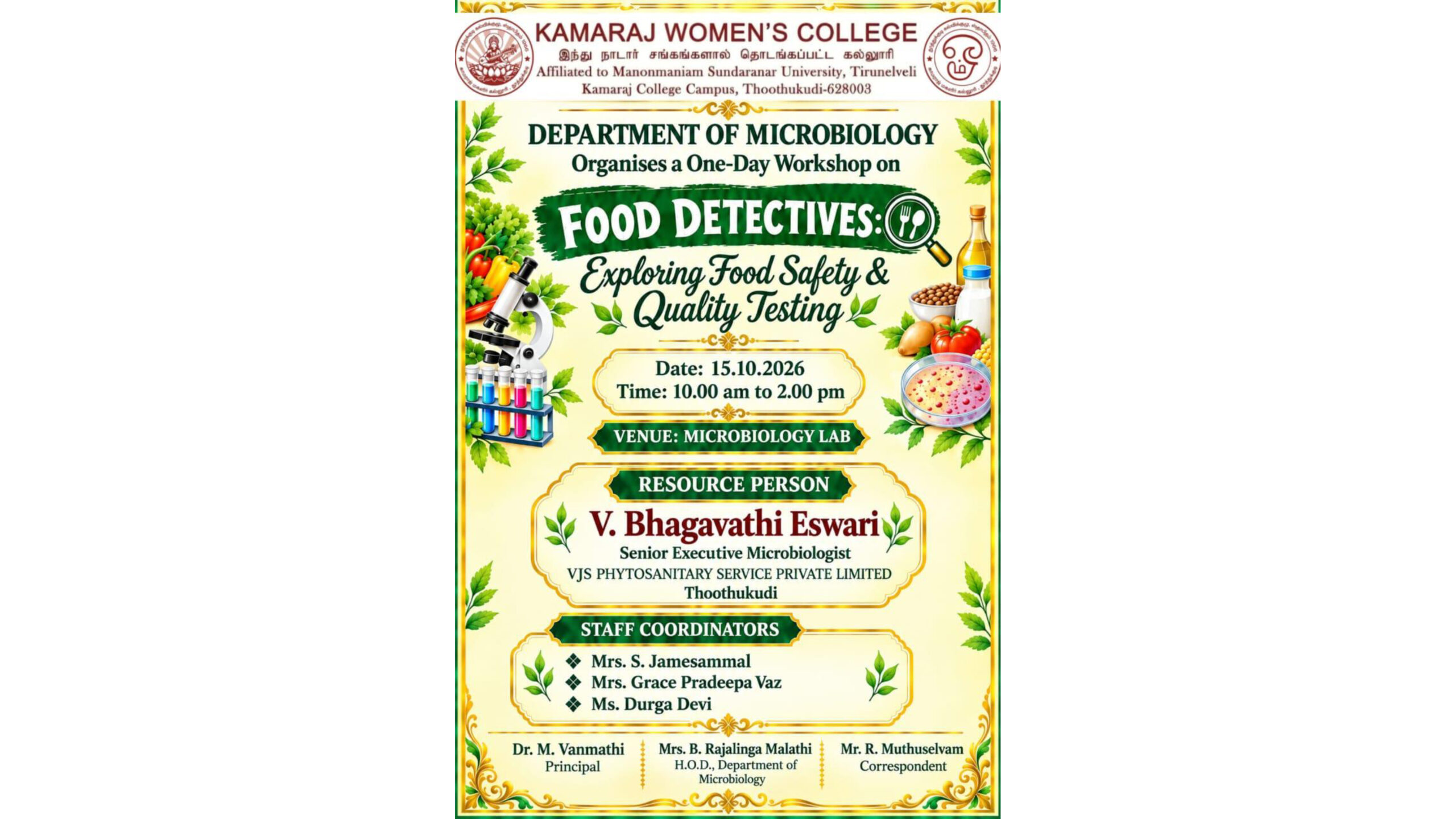
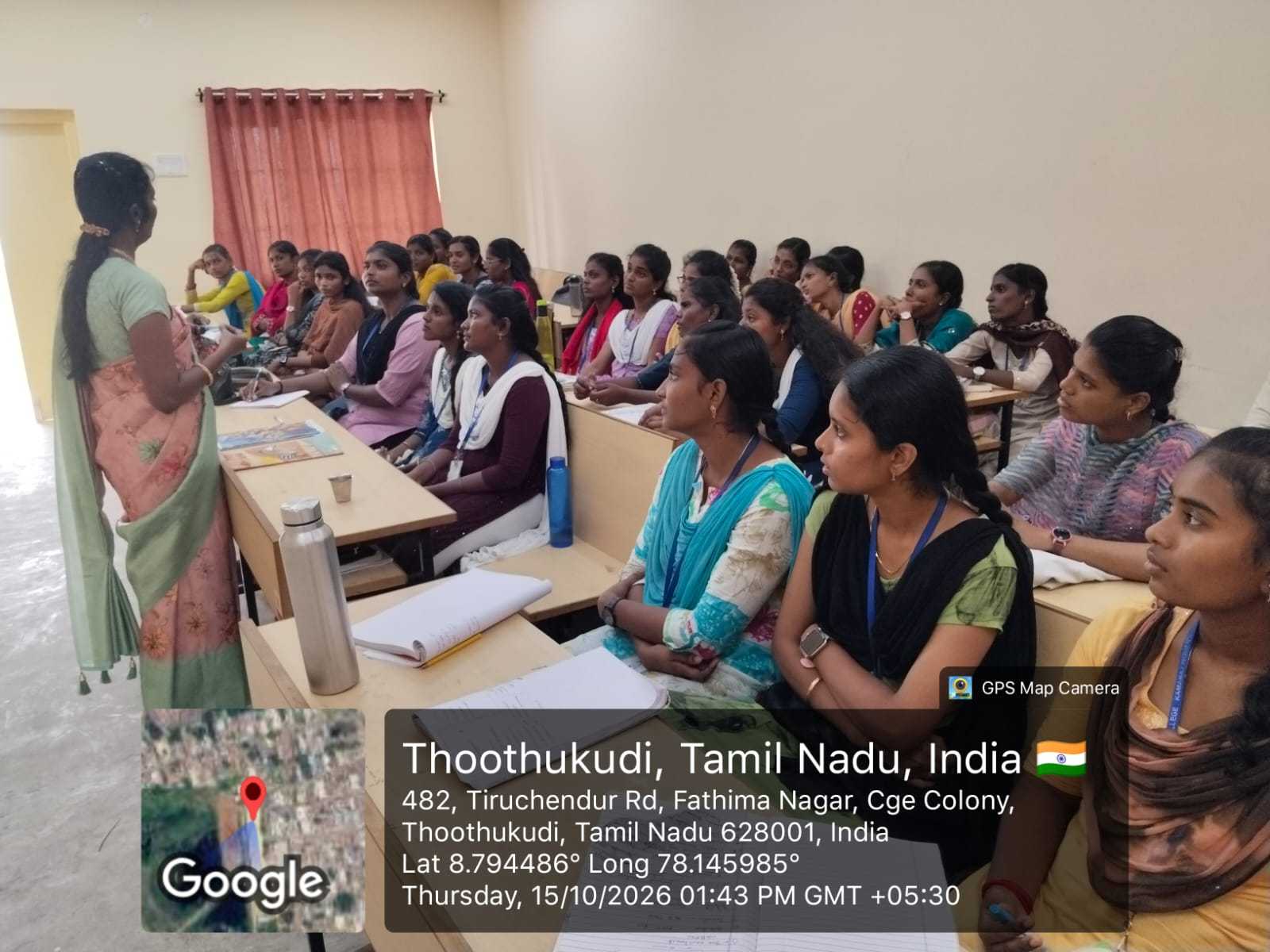
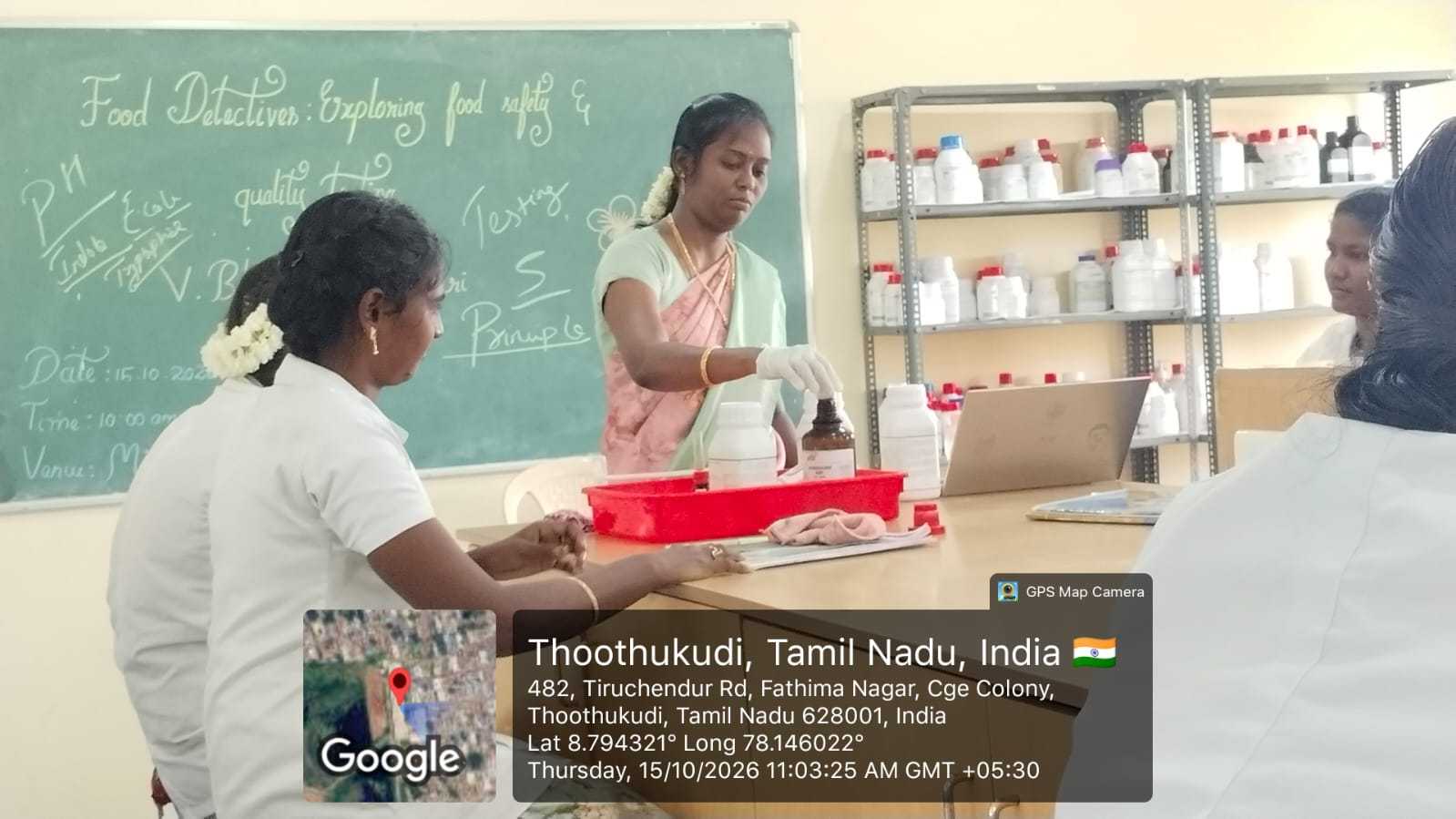
The Department of Microbiology, Kamaraj Women’s College, Thoothukudi, organized a one-day Food Safety Workshop titled “FOOD DETECTIVES: Exploring Food Safety & Quality Testing” on 15 October 2026, from 10.00 a.m. to 2.00 p.m. at the Microbiology Laboratory.
The workshop aimed to create awareness about food safety, food quality assessment, foodborne microorganisms and microbiological testing. Moreover, the programme helped students connect their academic knowledge with practical applications in food industries and testing laboratories.
Mrs. V. Bhagavathi Eswari, Senior Executive Microbiologist, VJS Phytosanitary Service Private Limited, Thoothukudi, served as the resource person.
Objectives of the Food Safety Workshop
The workshop focused on the following objectives:
- Create awareness about food safety and quality testing
- Understand the causes and effects of food contamination
- Identify the role of microorganisms in food spoilage and foodborne illnesses
- Introduce basic microbiological testing principles
- Highlight the importance of hygienic food handling and storage
- Understand quality control and quality assurance practices
- Promote accurate and responsible laboratory procedures
- Explore career opportunities in food microbiology and testing laboratories
Technical Session by the Resource Person
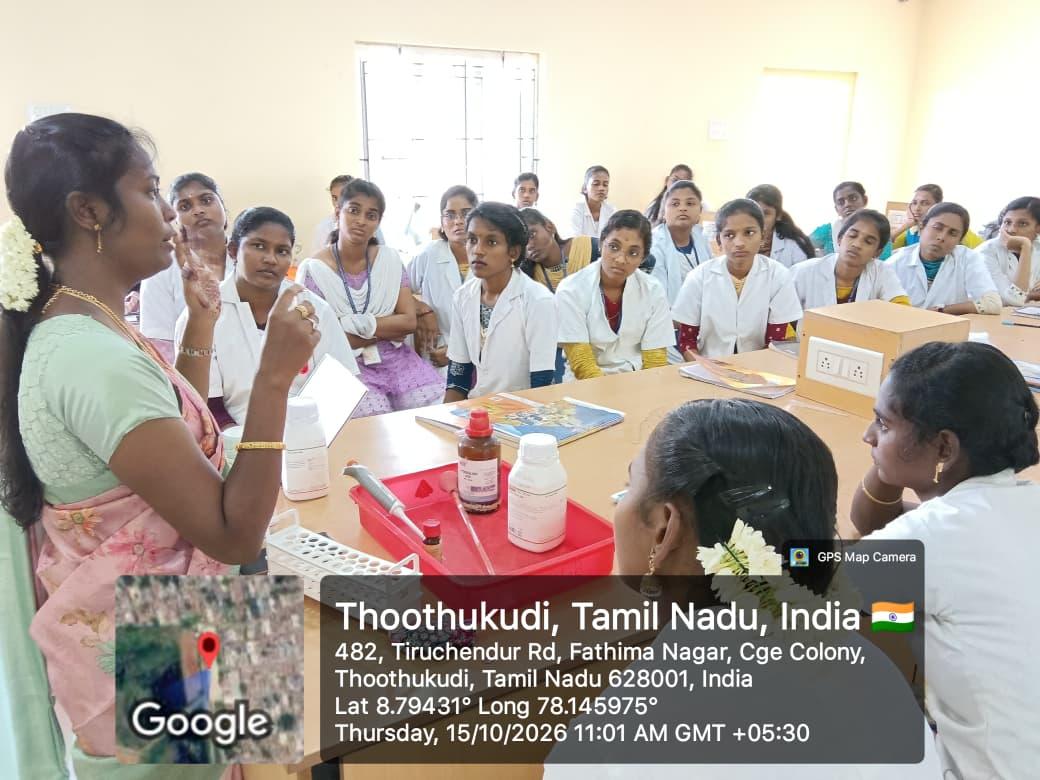
Mrs. V. Bhagavathi Eswari shared insights from her professional experience in microbiology and food-related testing.
She explained the importance of maintaining food safety and quality throughout production, processing, storage and distribution.
Furthermore, she highlighted the role of microbiologists in identifying contamination, monitoring food quality and supporting safe food production.
The session helped students understand how scientific testing contributes to consumer safety and public health.
Understanding Food Safety and Contamination
The resource person introduced the concept of food safety and explained its importance in preventing foodborne illnesses.
She discussed three major categories of food hazards:
- Biological hazards: Harmful microorganisms and other biological contaminants
- Chemical hazards: Unsafe chemical substances that may contaminate food
- Physical hazards: Foreign materials that may enter food during handling or processing
Moreover, she explained how contamination can occur at different stages of food production and handling.
The session emphasized the importance of personal hygiene, sanitation, proper storage and preventive practices in reducing food safety risks.
Foodborne Microorganisms and Food Spoilage
An important part of the Food Safety Workshop focused on microorganisms associated with food contamination and spoilage.
The resource person discussed the role of bacteria, fungi, yeasts and other microorganisms in affecting food quality, safety and shelf life.
Students learned that some microorganisms can cause food spoilage, while certain harmful microorganisms may lead to foodborne illnesses.
Furthermore, the session highlighted the importance of controlling microbial contamination through proper hygiene and food handling practices.
This discussion helped students connect concepts from food microbiology with practical food safety concerns.
Food Quality Assessment and Testing
The workshop introduced students to the importance of assessing food quality before products reach consumers.
The resource person explained that food quality assessment may involve examining several characteristics, including:
- Appearance and colour
- Odour
- Texture
- Composition
- Microbiological quality
She explained how appropriate testing can help identify spoilage, detect contamination and maintain consistency in food products.
Moreover, the session emphasized the importance of following standard testing procedures and maintaining accurate laboratory records.
Students gained a better understanding of how food quality assessment supports safe and reliable food production.
Microbiological Examination of Food Samples
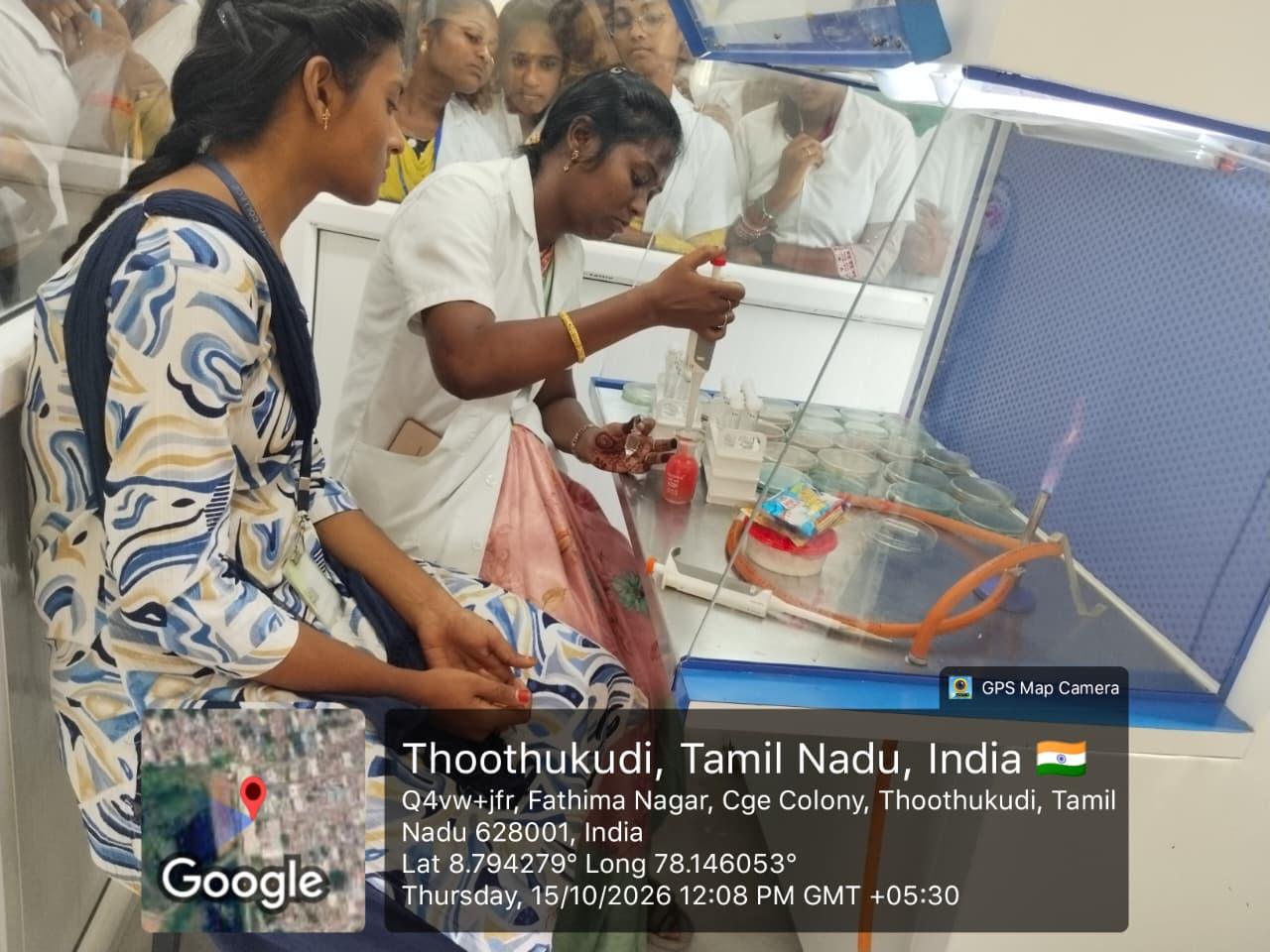
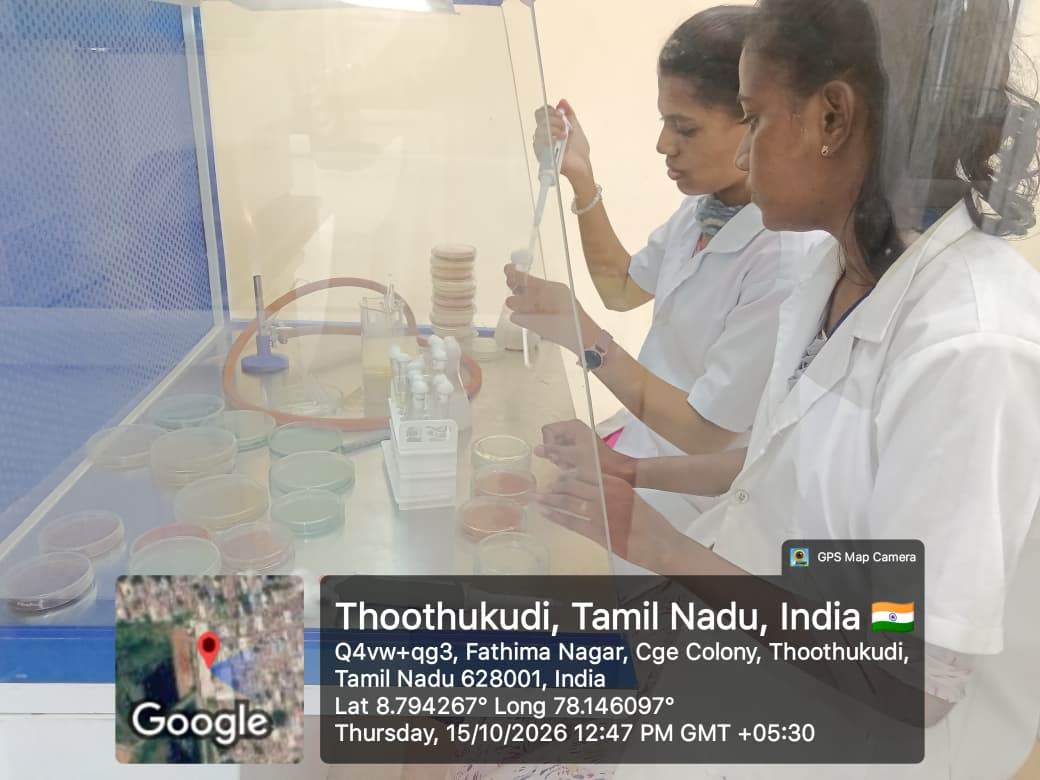
The Food Safety Workshop also introduced students to the basic principles of microbiological examination.
The resource person explained important laboratory concepts, including:
- Aseptic techniques
- Food sample handling
- Preparation of culture media
- Microbial analysis of food samples
- Prevention of cross-contamination
- Laboratory safety precautions
Furthermore, she discussed the importance of careful sample collection, transportation and processing.
Students learned that reliable microbiological testing depends on accuracy, proper handling and appropriate laboratory procedures.
The session also encouraged them to understand the scientific principles behind testing methods rather than simply memorizing laboratory steps.
Quality Control and Quality Assurance
Another important topic was the role of Quality Control (QC) and Quality Assurance (QA) in the food industry.
The resource person explained how microbiologists contribute to monitoring the quality of:
- Raw materials
- Finished food products
- Food processing environments
- Production equipment
Moreover, she highlighted the importance of routine testing, hygiene monitoring, documentation and compliance with applicable food safety standards.
The discussion helped students understand that food safety requires continuous attention throughout the production process.
Importance of Accurate Laboratory Practices
The programme emphasized the importance of accuracy, teamwork and ethical laboratory practices.
Students learned that reliable testing results depend on careful sample handling, proper procedures and accurate documentation.
Furthermore, the session highlighted the need to prevent cross-contamination and follow laboratory safety requirements.
These principles are important for students preparing to work in microbiology laboratories and food testing organizations.
Career Opportunities in Food Microbiology
The workshop introduced students to professional opportunities in the food and microbiology sectors.
The resource person discussed career possibilities in:
- Food testing laboratories
- Food processing industries
- Quality control laboratories
- Quality assurance departments
- Food safety and testing organizations
- Related microbiology-based industries
Furthermore, the session helped students understand the technical knowledge and professional responsibilities associated with these fields.
The discussion encouraged students to develop their laboratory skills and explore future careers in food microbiology.
Connecting Classroom Learning with Industry Practices
The Food Safety Workshop helped students relate their academic knowledge to practical applications in the food industry.
The resource person connected microbiological concepts with food contamination, quality assessment and laboratory testing.
Moreover, the interactive session encouraged scientific curiosity, analytical thinking and responsible laboratory practices.
Students gained a broader understanding of how microbiologists contribute to food quality monitoring and consumer protection.
Programme Outcomes
The workshop provided students with opportunities to:
- Understand the importance of food safety and quality assessment
- Identify biological, chemical and physical food hazards
- Develop awareness about foodborne microorganisms and spoilage
- Learn the basic principles of microbiological food testing
- Understand aseptic techniques and safe sample handling
- Recognize the importance of preventing cross-contamination
- Gain knowledge about quality control and quality assurance
- Understand the need for accurate laboratory documentation
- Explore career opportunities in food microbiology
- Connect theoretical knowledge with industry applications
Conclusion
The Food Safety Workshop titled “FOOD DETECTIVES: Exploring Food Safety & Quality Testing”, organized by the Department of Microbiology, Kamaraj Women’s College, provided students with valuable insights into food safety and microbiological quality testing.
Through the technical session led by Mrs. V. Bhagavathi Eswari, students explored food contamination, foodborne microorganisms, laboratory testing procedures, quality control and food safety practices.
Furthermore, the workshop helped students understand the professional responsibilities of microbiologists and encouraged them to explore career opportunities in food testing and quality assurance.
Overall, the programme successfully connected academic knowledge with practical industry requirements while emphasizing the importance of scientific accuracy, responsible laboratory practices and public health protection.