
Eco Vision Programme Promotes Sustainable Living at KWC
Report on Eco-Vision Programme
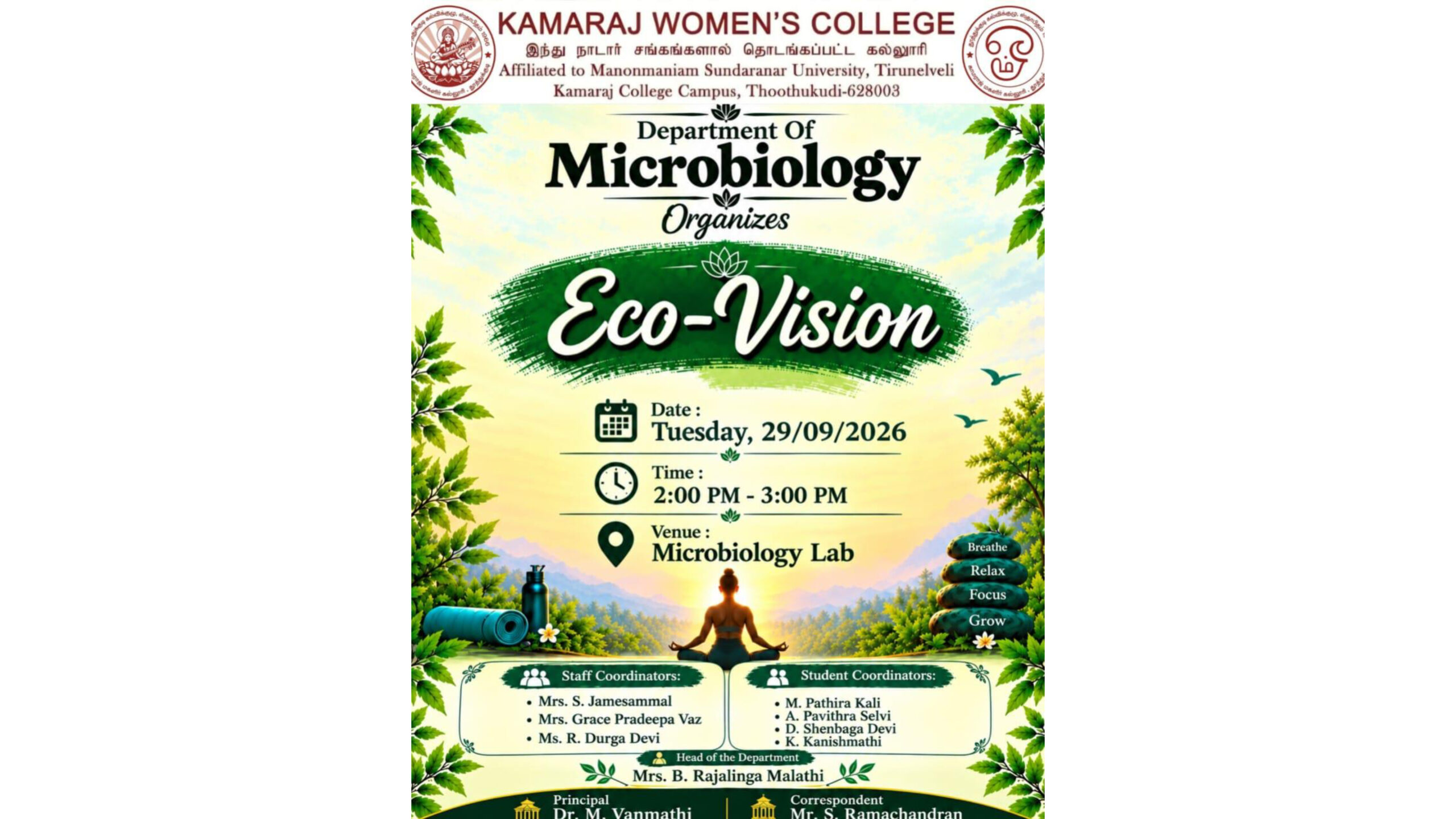
The Department of Microbiology, Kamaraj Women’s College, Thoothukudi, organized the Eco Vision Programme on 29 September 2026 from 2.00 p.m. to 3.00 p.m. at the Microbiology Laboratory. The programme aimed to create awareness among students about environmental protection, sustainable living, conservation of natural resources and ecological balance.
The programme encouraged students to develop an eco-friendly attitude and understand their responsibility towards the environment. Moreover, the session highlighted how simple changes in everyday life can contribute to a cleaner, greener and more sustainable future.
Objectives of the Eco Vision Programme
The programme focused on the following objectives:
- Create awareness about environmental protection
- Promote sustainable living practices
- Encourage conservation of natural resources
- Explain the importance of ecological balance
- Create awareness about pollution and environmental degradation
- Promote the principles of Reduce, Reuse and Recycle
- Encourage students to reduce single-use plastics
- Highlight the importance of biodiversity conservation
- Promote responsible use of water and electricity
- Encourage students to adopt eco-friendly habits in everyday life
Thus, the programme connected environmental awareness with responsible individual action.
Developing an Eco-Friendly Attitude
The programme began with a warm welcome to the faculty members and students.
The session encouraged students to understand that environmental protection requires active participation from every individual. Furthermore, students learned about the importance of developing an eco-friendly attitude in their homes, classrooms and college campus.
The programme emphasized that sustainable living does not always require major changes. Instead, responsible everyday choices can contribute to environmental conservation.
Therefore, students were encouraged to examine their daily habits and identify simple ways to reduce their impact on the environment.
Understanding Environmental Concerns
The session highlighted several important environmental concerns.
These included:
- Pollution
- Improper waste disposal
- Excessive use of plastics
- Depletion of natural resources
- Loss of biodiversity
- Environmental degradation
Students discussed how these issues can affect ecosystems and living organisms. Moreover, the programme emphasized the importance of maintaining a clean and healthy environment for both present and future generations.
The discussion helped students understand that environmental problems are closely connected with human activities and everyday choices.
Reduce, Reuse and Recycle
The Eco Vision Programme gave special attention to the 3Rs – Reduce, Reuse and Recycle.
Students were encouraged to reduce unnecessary consumption and avoid wasting resources. They also learned about the value of reusing materials whenever possible instead of immediately discarding them.
Furthermore, the session discussed the importance of separating recyclable and non-recyclable waste.
The programme encouraged students to understand that responsible waste management begins with individual choices. Therefore, the 3Rs can become a simple and practical part of everyday life.
Reducing Single-Use Plastics
The programme also discussed the environmental concerns associated with excessive plastic use.
Students were encouraged to minimize the use of single-use plastics and choose environmentally friendly alternatives whenever possible.
Moreover, the session highlighted the importance of responsible disposal and avoiding unnecessary plastic consumption.
By making thoughtful choices, students can gradually reduce the amount of plastic waste generated through their daily activities.
Biodiversity Conservation
Another important area of the programme was biodiversity conservation.
Students learned about the roles played by plants, animals and microorganisms in maintaining ecological balance.
For Microbiology students, the discussion also reinforced the importance of microorganisms as essential components of ecosystems.
Furthermore, the session highlighted the need to protect natural habitats and conserve flora and fauna. Students were encouraged to avoid activities that can harm wildlife or disturb natural ecosystems.
Thus, the programme helped students understand that protecting biodiversity is essential for maintaining a balanced environment.
Conservation of Natural Resources
The session emphasized the responsible use of important natural resources such as:
- Water
- Soil
- Forests
- Energy resources
Students were encouraged to avoid unnecessary wastage and use available resources responsibly.
In addition, the programme discussed simple practices such as saving water, switching off unnecessary electrical appliances, planting trees and maintaining greenery.
These actions demonstrated how environmental responsibility can become part of daily routines.
Environmental Health and Human Health
The programme also explained the relationship between environmental health and human health.
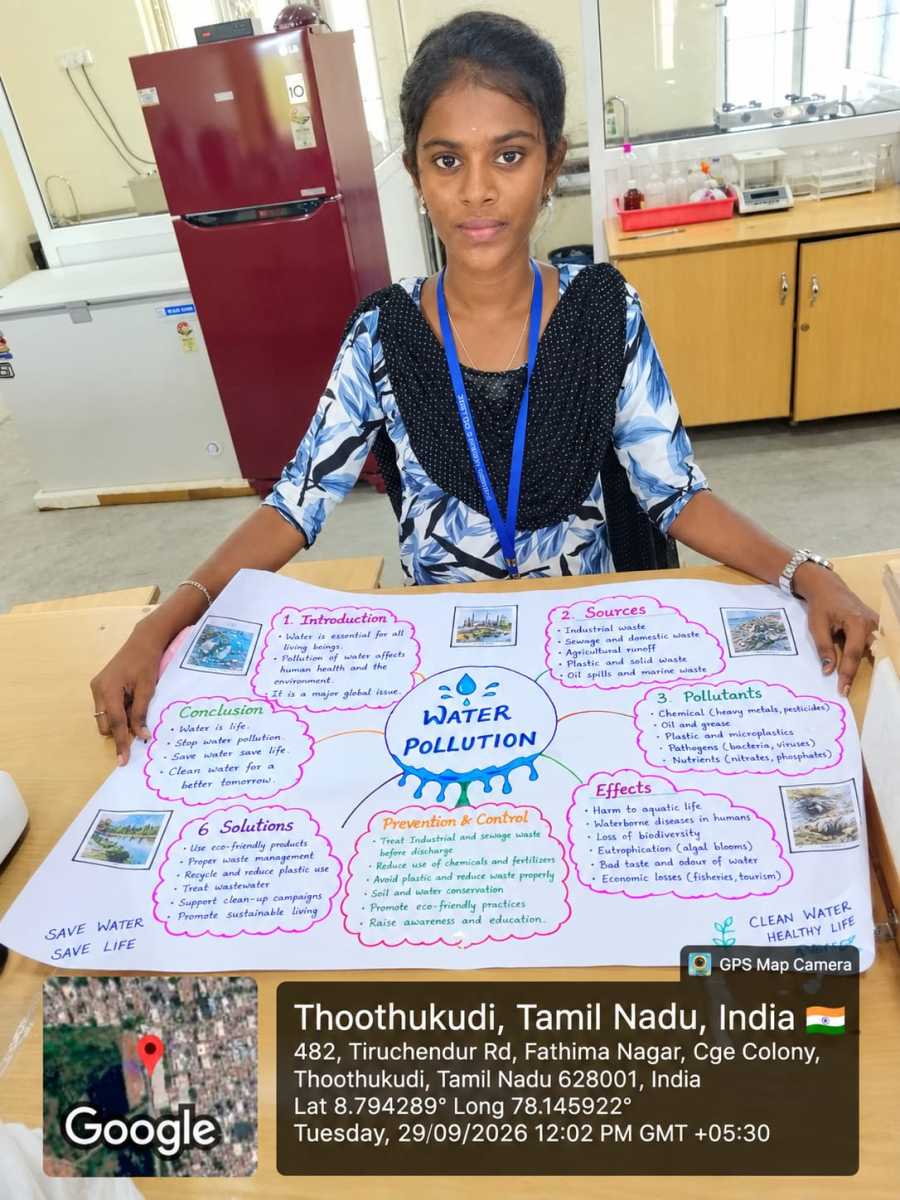
Students discussed how pollution of air, water and soil can affect living organisms and the quality of the environment.
Furthermore, the session highlighted the importance of cleanliness, responsible waste disposal and pollution prevention.
This discussion helped students understand that protecting the environment also contributes to creating healthier surroundings for communities.
Interactive Student Participation
The Eco Vision Programme encouraged active student participation.
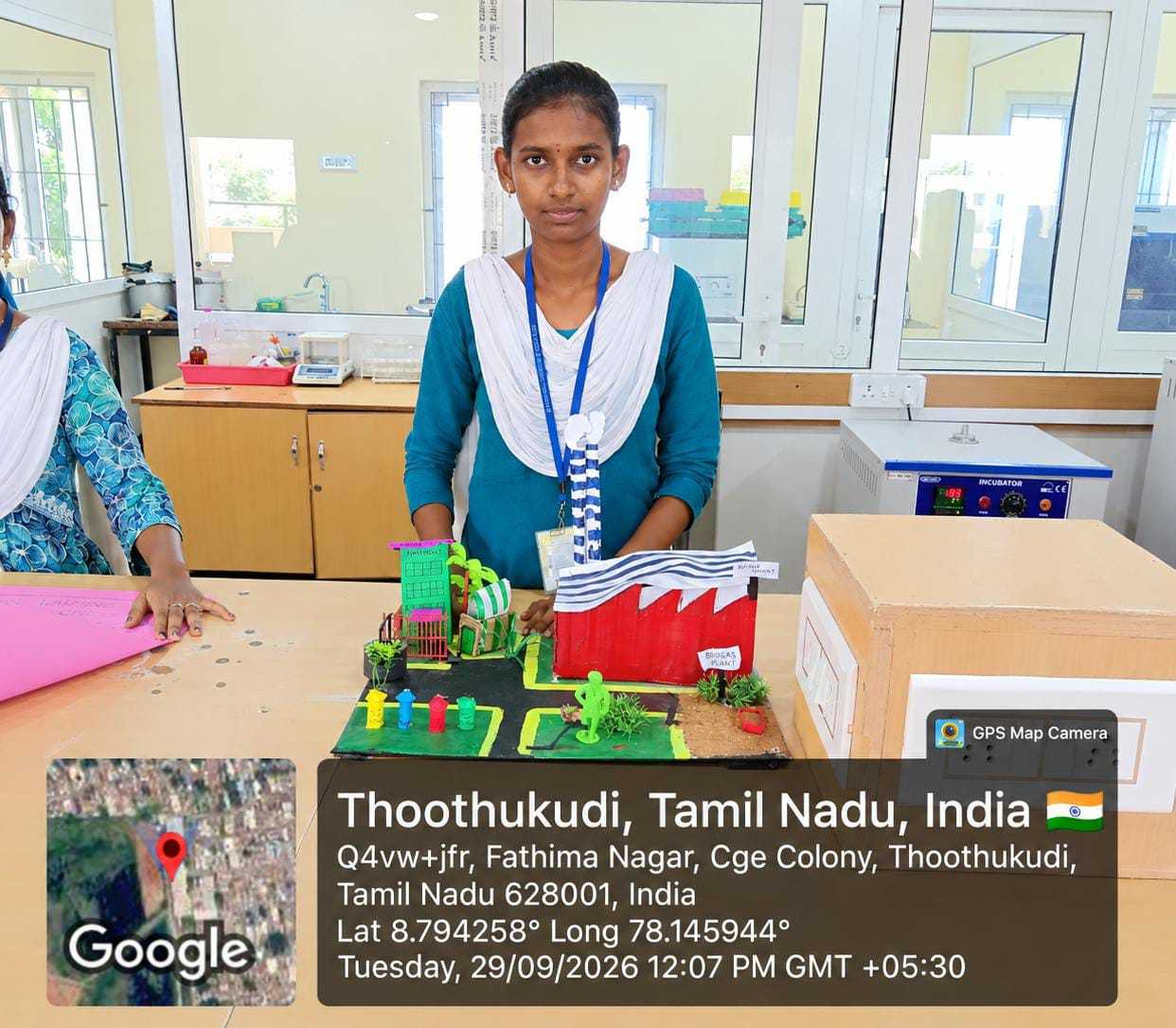
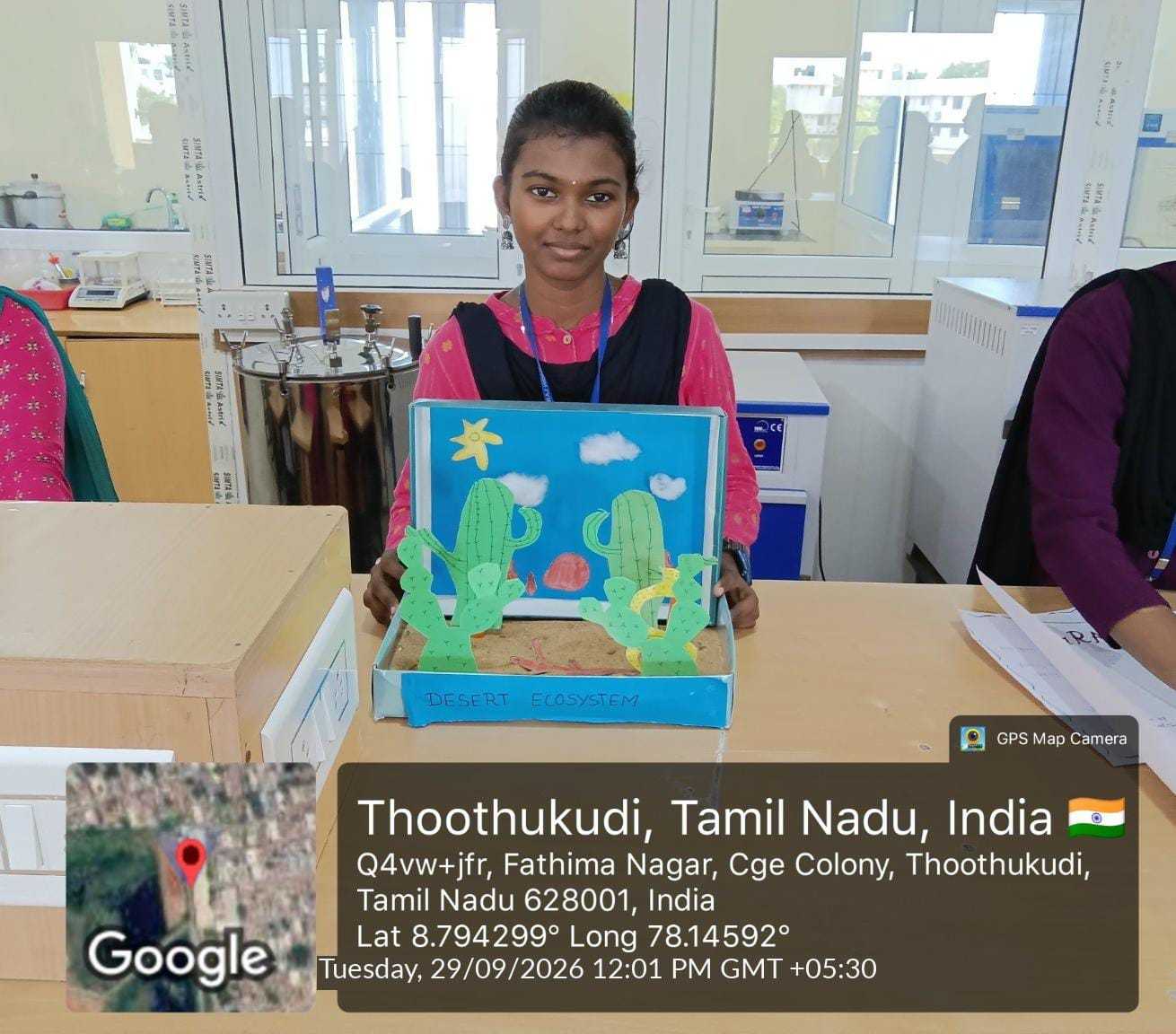
Students took part in discussions, shared their ideas and expressed their views on environmental conservation and sustainable practices.
Moreover, the interactive format encouraged them to think about their own responsibilities towards the environment.
The discussion showed that environmental protection can begin with small actions at the individual level.
As a result, students could connect broader environmental concerns with choices they make in everyday life.
Eco-Friendly Practices in Everyday Life
A key message of the programme was that environmental protection should not remain limited to special events or awareness days.
Instead, students were encouraged to make eco-friendly habits a regular part of everyday life.
The session encouraged them to:
- Avoid unnecessary plastic use
- Conserve water
- Save electricity
- Reduce unnecessary consumption
- Reuse suitable materials
- Segregate waste responsibly
- Maintain cleanliness
- Plant and protect trees
- Protect plants and animals
- Encourage sustainable practices among others
Thus, the programme turned environmental awareness into practical actions that students can follow regularly.
Individual Responsibility and Collective Action
The programme emphasized that environmental protection requires both individual responsibility and collective effort.
Each person can contribute through responsible consumption, waste reduction and conservation of resources. At the same time, collective action can create a greater positive impact.
Furthermore, students were encouraged to understand their role as responsible citizens.
The programme therefore connected environmental awareness with social responsibility and sustainable living.
Programme Outcomes
The Eco Vision Programme provided the following learning outcomes:
- Students developed greater awareness of environmental protection
- They understood the importance of sustainable living
- Students learned the practical value of Reduce, Reuse and Recycle
- The programme encouraged responsible waste management
- Students understood the need to reduce single-use plastics
- They gained awareness about biodiversity conservation
- Students understood the importance of protecting natural habitats
- The session promoted responsible use of natural resources
- Students understood the connection between environmental and human health
- The programme encouraged eco-friendly habits in everyday life
- Students recognized their individual responsibility towards the environment
- The session promoted the importance of collective action for a sustainable future
Overall, the programme strengthened students’ understanding of environmental responsibility, conservation and sustainable living.
Conclusion of the Eco Vision Programme
The Eco Vision Programme organized by the Department of Microbiology, Kamaraj Women’s College, successfully created awareness among students about environmental protection and sustainable living.
The programme covered important areas such as pollution prevention, waste management, the 3Rs, reduction of single-use plastics, biodiversity conservation and responsible use of natural resources. Moreover, the interactive discussions encouraged students to think about the practical steps they can take in their everyday lives.
The session reinforced the message that environmental protection should become a regular habit rather than remain limited to special occasions.
The programme concluded at 3.00 p.m. with active participation and positive involvement from the students.
Overall, Eco-Vision motivated students to become responsible citizens and highlighted that individual actions and collective efforts are essential for building a cleaner, greener and sustainable future.