
Inspiring Educational Trip to Kerala 2026
Educational Trip to Kerala
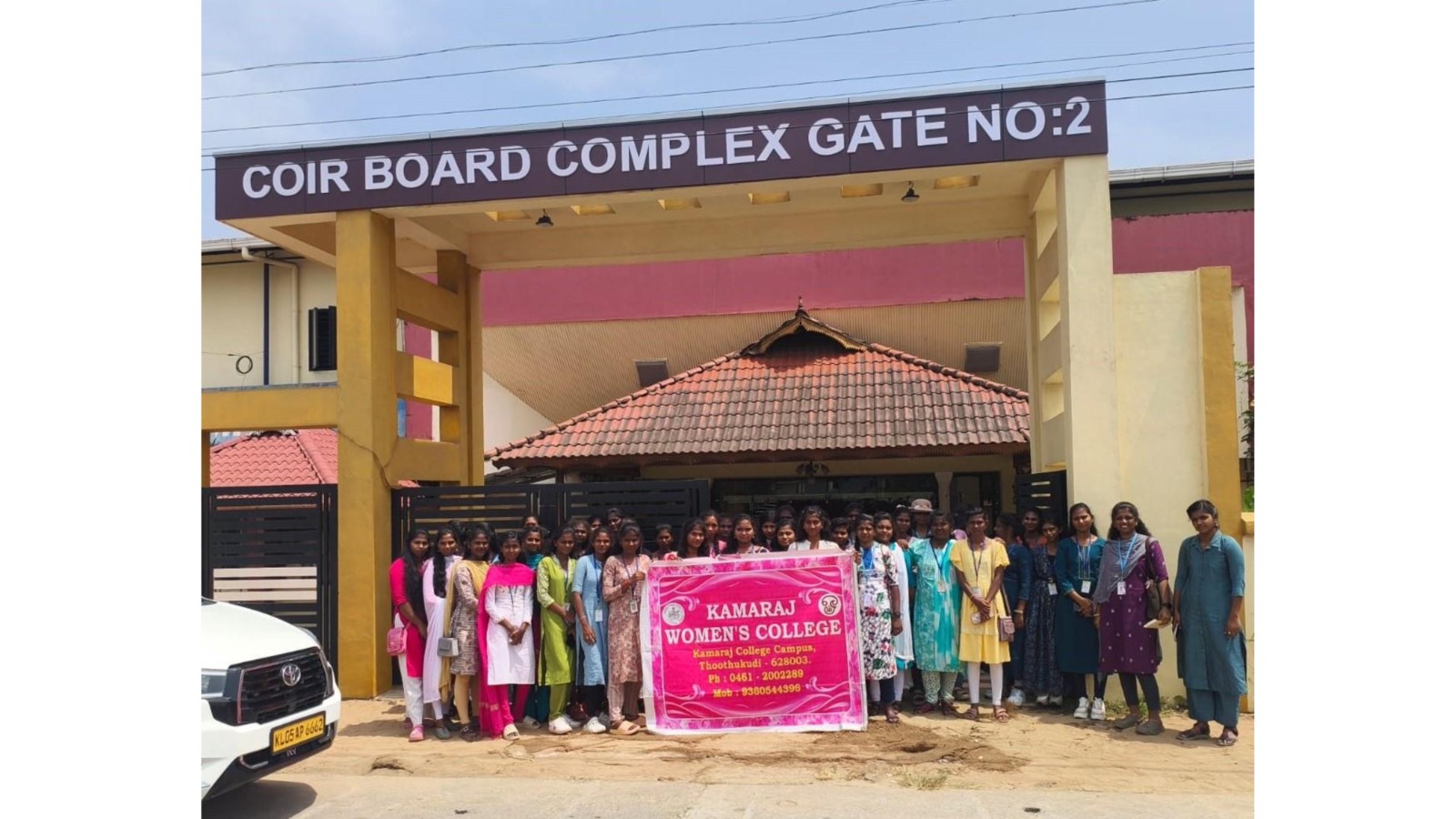
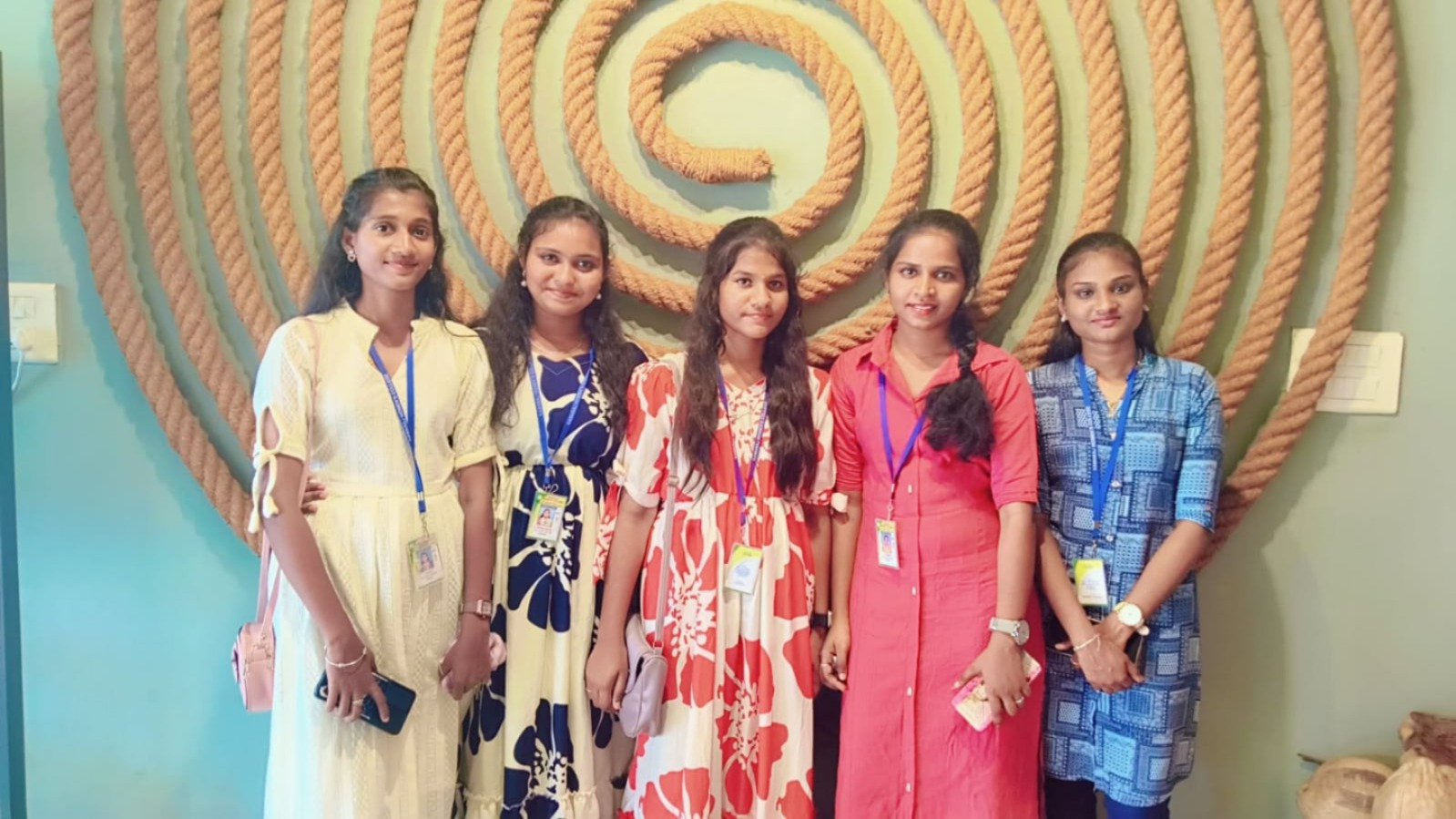
The Educational Trip to Kerala organized by the Department of Fashion Technology on 20th and 21st February 2026 proved to be an enriching academic experience. A total of 45 participants, including 42 students and 3 faculty members, took part in this two-day programme designed to extend learning beyond the classroom.
The primary objective of this Educational Trip to Kerala was to provide industrial exposure, deepen understanding of natural fibres, explore regional textile markets, and promote cultural enrichment. Through carefully planned visits to the International Coir Museum at Alappuzha and commercial centres in Cochin, students gained practical insights into sustainable textiles and merchandising practices.
For more academic initiatives, visit:
👉 Kamaraj Women’s College Official Website
Day 1 – Visit to International Coir Museum, Alappuzha
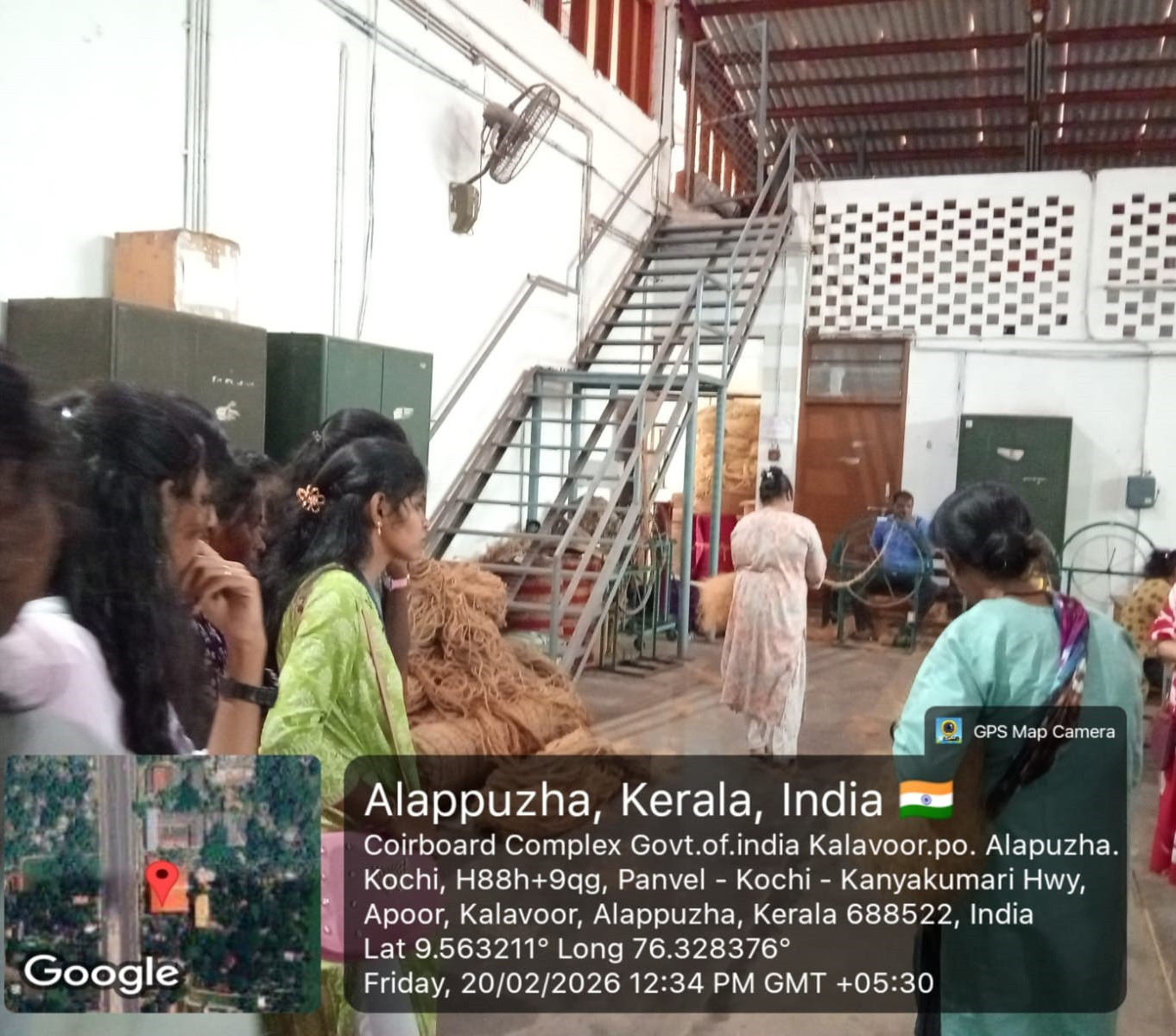
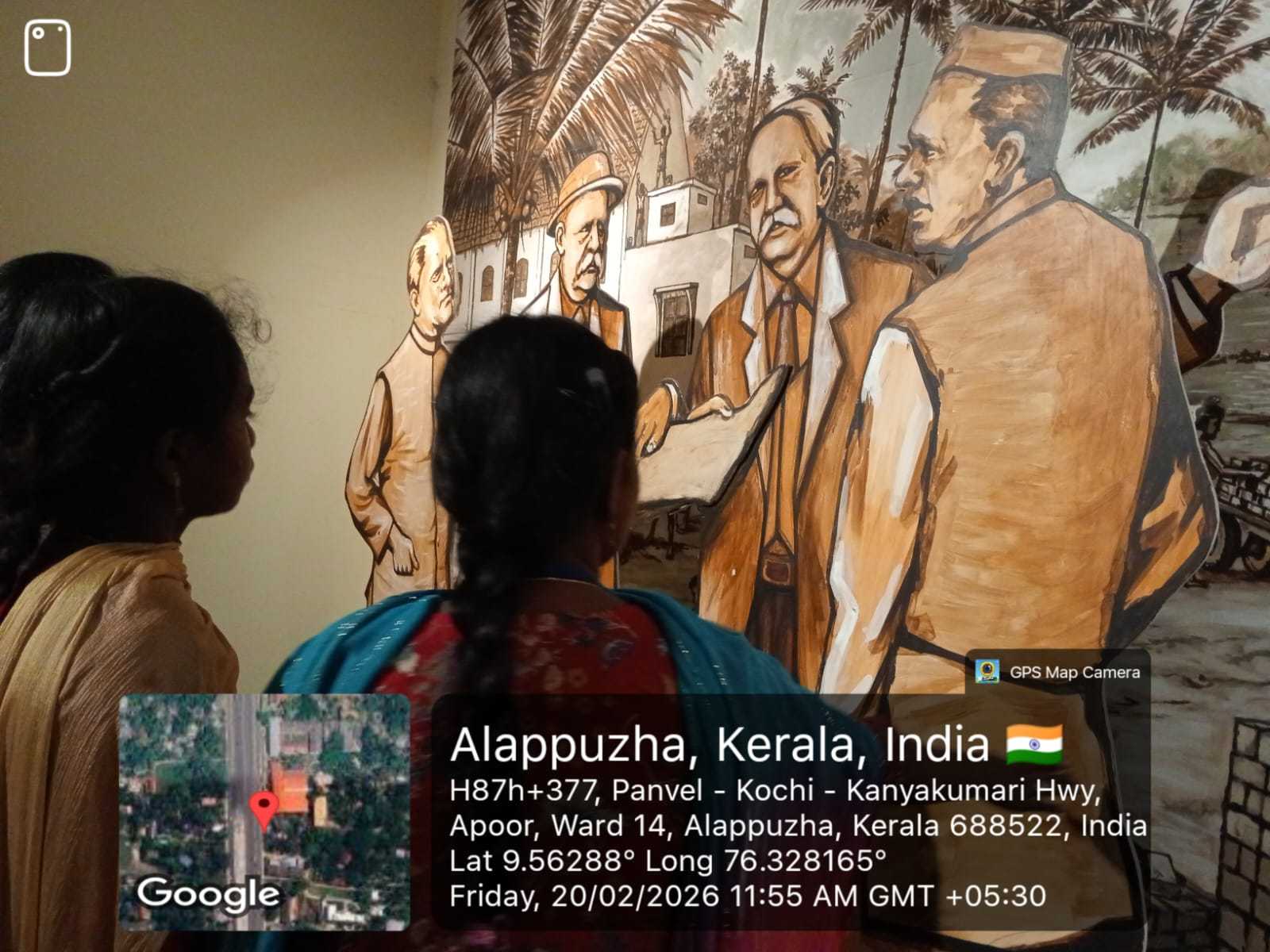
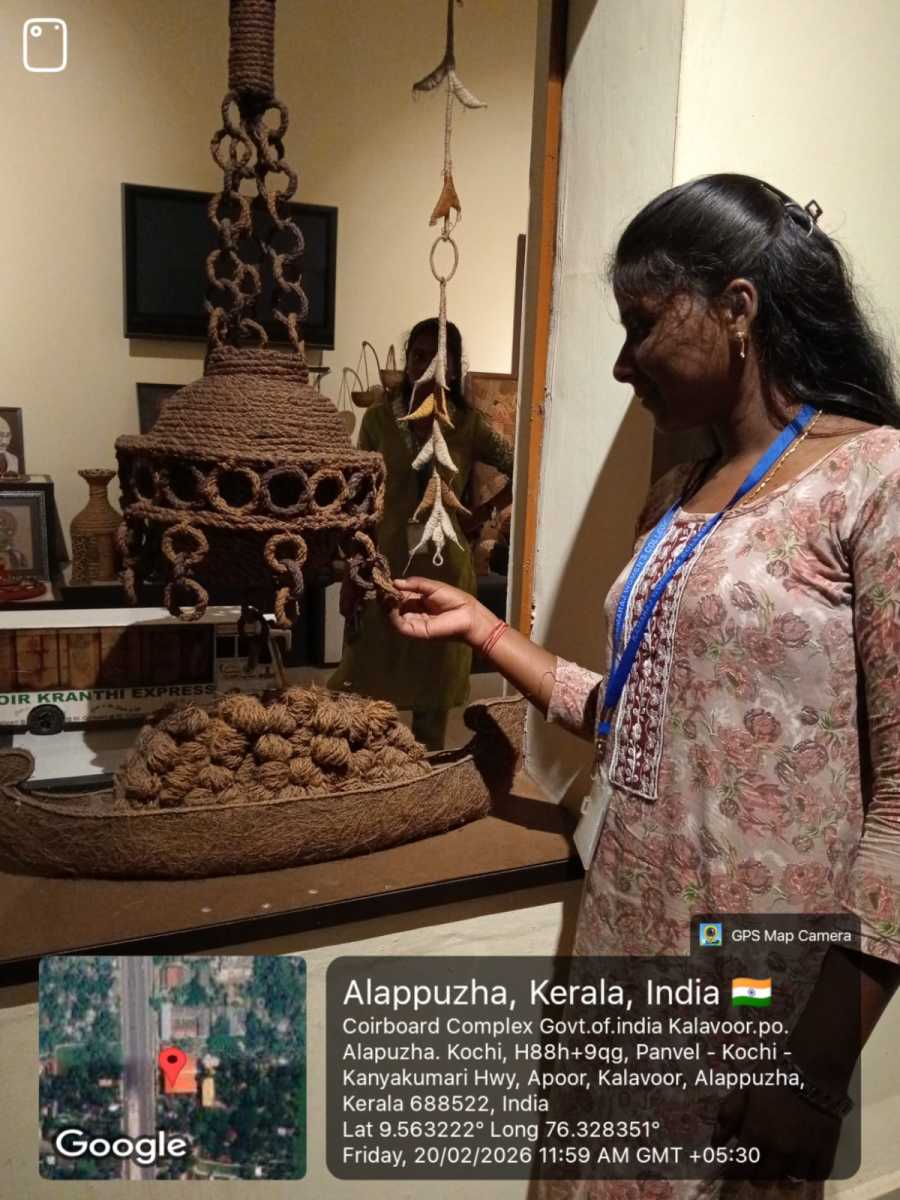
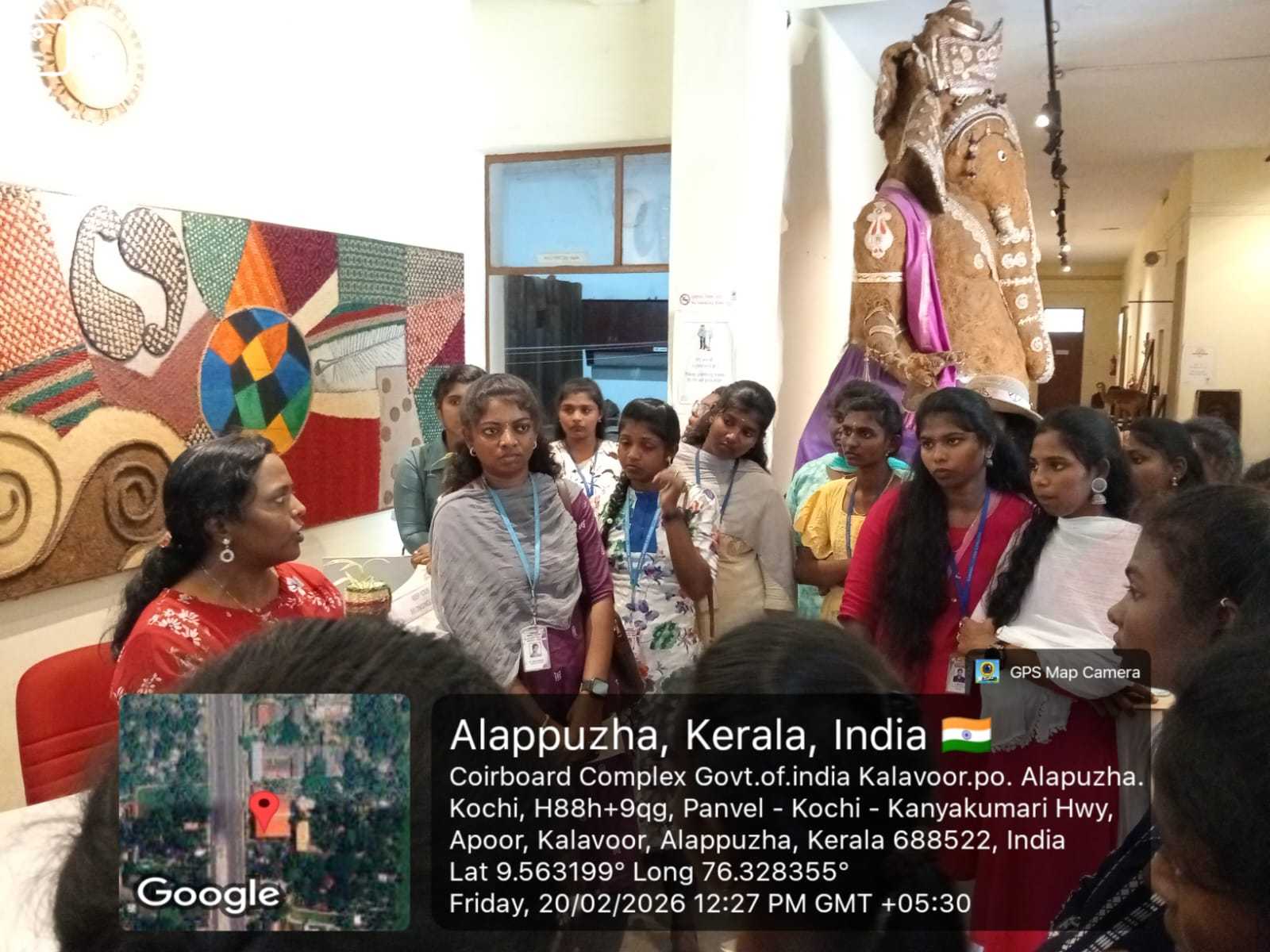
On 20th February 2026, the team visited the renowned International Coir Museum, Alappuzha, a landmark in India’s natural fibre sector. The museum authorities welcomed the group warmly and introduced students to the historical and economic significance of coir fibre in Kerala.
Students first learned about the origin of coir fibre, which is extracted from coconut husk. Furthermore, officials explained how coir stands out as an eco-friendly, biodegradable, and sustainable material. As sustainability gains importance in the fashion industry, this knowledge directly connected with their academic curriculum.
During the guided tour, students observed:
- Traditional retting processes
- Manual fibre extraction methods
- Hand-spinning techniques
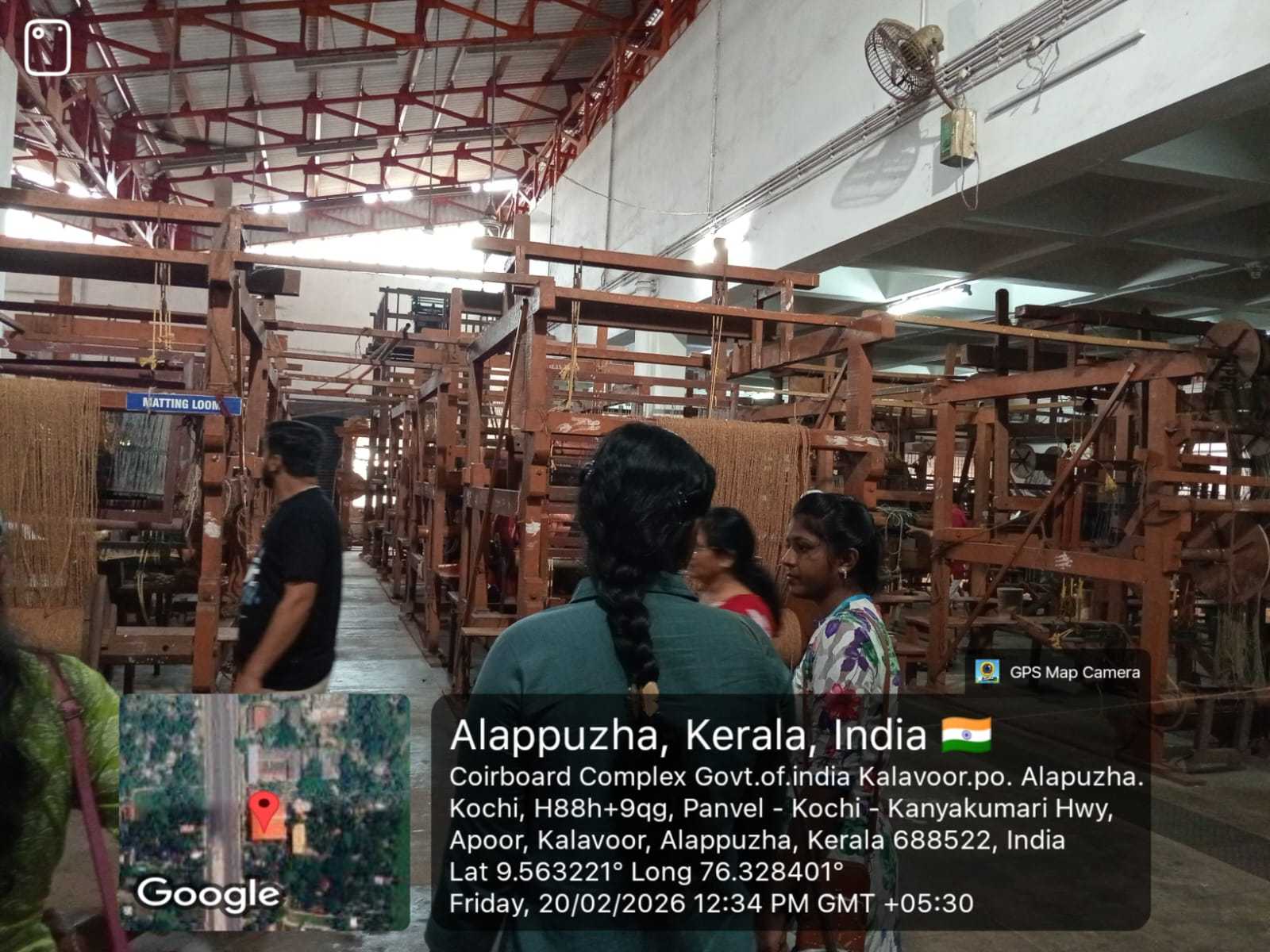
- Weaving practices in early coir production
In addition, they explored modern mechanized production methods and advanced machinery used in large-scale coir manufacturing. The museum displayed a wide range of products such as mats, carpets, ropes, geo-textiles, and eco-friendly decorative items. Consequently, students clearly understood how traditional craftsmanship evolved into industrial production.
An interactive question-and-answer session followed. Students actively clarified doubts regarding fibre strength, dyeing techniques, durability, and export potential. Therefore, the first day significantly strengthened their knowledge of sustainable material applications in fashion and home décor.
To understand more about India’s coir industry, visit:
👉 Coir Board of India
Educational Significance of Day 1
The visit provided meaningful experiential learning and helped students connect theory with practice. Specifically, they gained insights into:
- Extraction and processing of natural fibres
- Importance of biodegradable materials
- Traditional versus mechanized production systems
- Product diversification in the coir industry
- Scope of sustainable textiles in fashion design
Thus, the first day reinforced the importance of eco-conscious design and sustainable fashion practices.
Day 2 – Cochin (Kochi) Market and Cultural Visit
On 21st February 2026, the group proceeded to Cochin, a major commercial and cultural hub of Kerala. Unlike Day 1, which focused on industrial exposure, Day 2 emphasized market study and regional textile aesthetics.
Students visited prominent textile markets and retail centres. Under faculty guidance, they carefully examined fabric varieties, colour trends, display techniques, and merchandising strategies. Moreover, they observed how regional identity influences product design.
Special attention was given to:
- Kasavu sarees and handloom textiles
- Traditional off-white and gold colour themes
- Eco-friendly handicrafts and souvenirs
- Retail display and customer engagement techniques
Faculty members encouraged students to analyze visual merchandising strategies and product placement methods. Furthermore, some students interacted with shopkeepers to understand pricing structures, sourcing channels, and customer demand patterns. As a result, they developed practical commercial awareness and communication skills.
Beyond markets, students observed Kerala’s architecture and tourism-oriented retail culture. Consequently, they recognized how culture, tradition, and commerce merge to shape fashion trends.
Educational Significance of Day 2
The Cochin visit enhanced students’ understanding of:
- Regional textile identity
- Consumer behavior and market trends
- Retail and visual merchandising practices
- Cultural influences in fashion design
- Commercial aspects of handicrafts and textiles
Therefore, the second day complemented academic subjects such as fashion merchandising, retail management, and design development.
Overall Outcomes of the Educational Trip to Kerala
The Educational Trip to Kerala successfully bridged classroom learning with real-world exposure. Major outcomes included:
- Improved knowledge of natural fibres and sustainability
- Practical understanding of the coir industry
- Enhanced market observation skills
- Exposure to traditional and contemporary textile products
- Better awareness of cultural influence in fashion
- Strengthened teamwork and discipline
Students expressed that the visit was both informative and inspiring. Faculty members also appreciated the enthusiasm and academic engagement shown throughout the trip.
Conclusion
In conclusion, the Educational Trip to Kerala conducted on 20th and 21st February 2026 provided holistic academic enrichment for Fashion Technology students. The industrial exposure at the International Coir Museum and the market study in Cochin offered balanced learning in sustainability, design, and commerce.
Most importantly, the programme strengthened professional competence and industry readiness. The Department of Fashion Technology remains committed to organizing such experiential learning opportunities, as they play a crucial role in shaping innovative and socially responsible designers.