
Rameswaram Educational Visit Expands Learning Beyond the Classroom
Report on Rameswaram Educational Visit
The Department of English, Kamaraj Women’s College, Thoothukudi, organized a Rameswaram Educational Visit on 11 September 2026 for around 50 first-year students from various departments. The visit aimed to take learning beyond the classroom and give students direct exposure to places of historical, scientific and national importance.
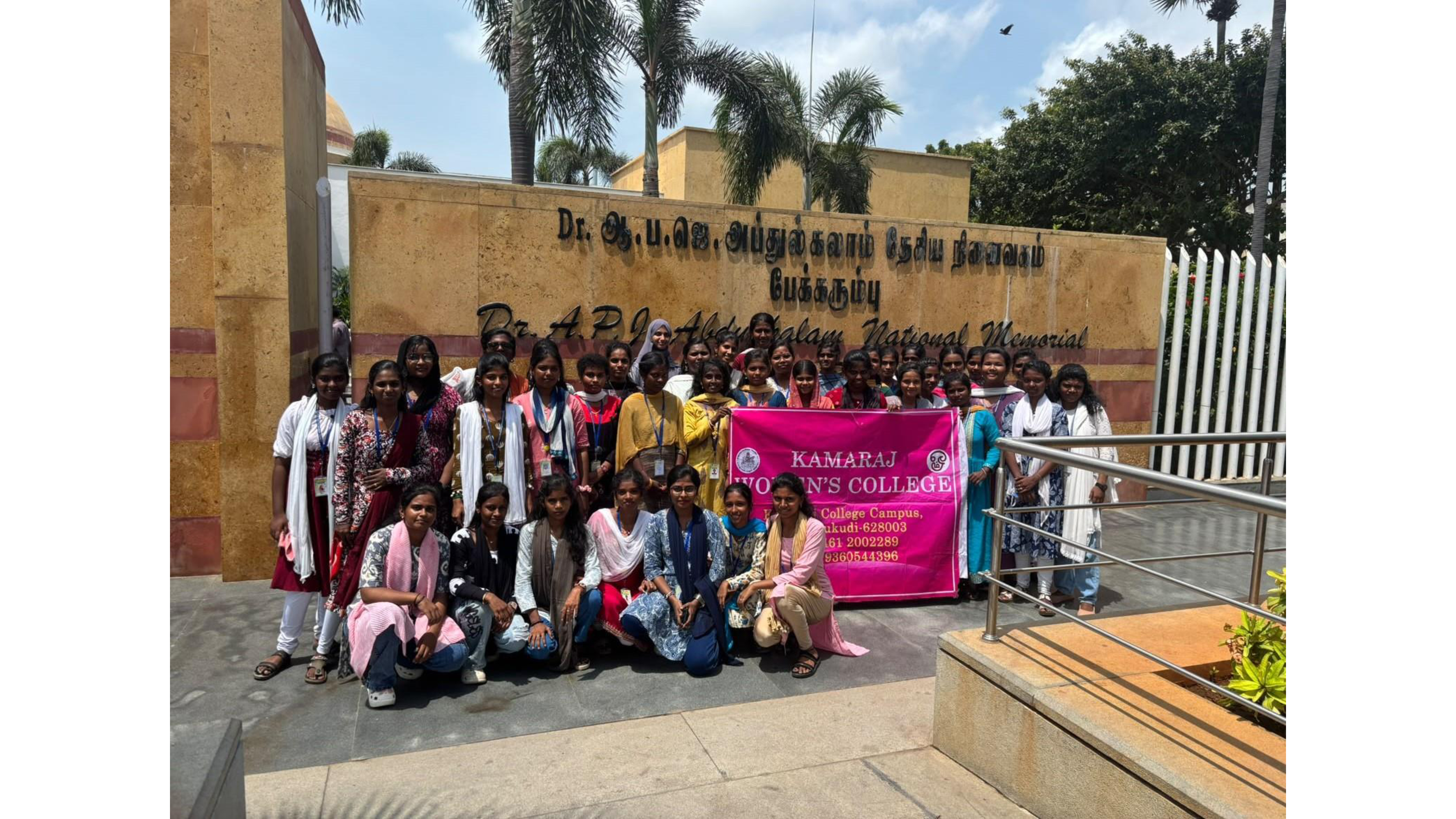
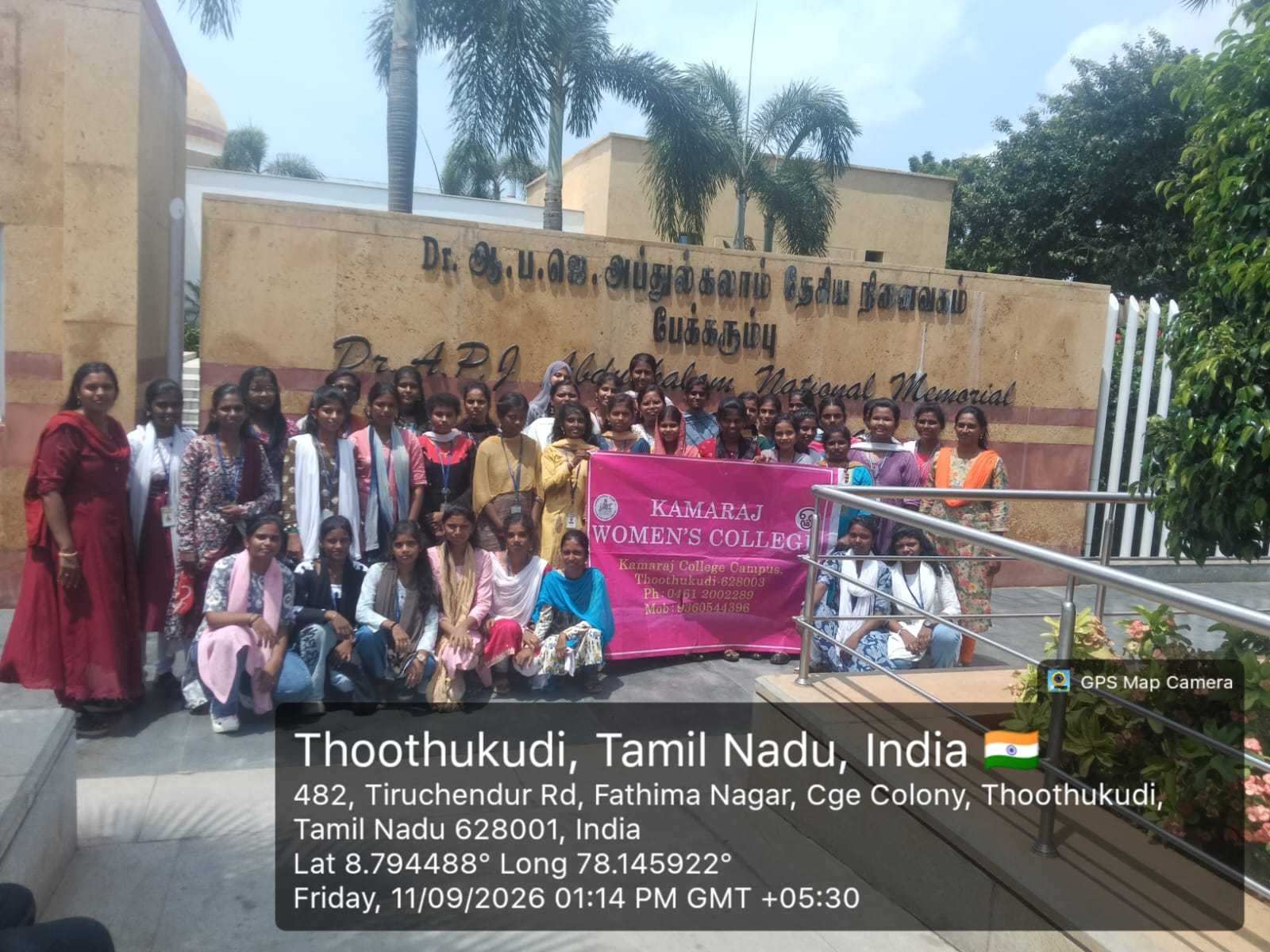
The students visited the Dr. A.P.J. Abdul Kalam Memorial and Pamban Bridge. Through these visits, they learned about the inspiring life of Dr. A.P.J. Abdul Kalam and explored the importance of one of Rameswaram’s major landmarks. Moreover, the programme gave them an enjoyable and meaningful learning experience.
Objectives of the Rameswaram Educational Visit
The visit focused on the following objectives:
- Take student learning beyond the classroom
- Provide direct exposure to places of national importance
- Help students learn about the life and achievements of Dr. A.P.J. Abdul Kalam
- Create interest in history, science and engineering
- Introduce students to the importance of Pamban Bridge
- Encourage observation and practical learning
- Broaden the knowledge and outlook of students
Thus, the visit combined education, observation and practical exposure.
Journey to Rameswaram
The students and faculty members started their journey from the college at 6.00 a.m.
Around 50 first-year students from various departments took part in the visit. The journey gave them an opportunity to explore important places and learn through direct observation.
Furthermore, the participation of students from different departments added to the learning experience.
Visit to Dr. A.P.J. Abdul Kalam Memorial
The group first visited the Dr. A.P.J. Abdul Kalam Memorial.
During the visit, students learned about the life, achievements and contributions of Dr. A.P.J. Abdul Kalam, former President of India and renowned scientist.
They also learned about his inspiring journey and the values that shaped his life. As a result, the visit gave students an opportunity to understand how dedication and continuous effort can help a person achieve important goals.
Learning from the Life of Dr. A.P.J. Abdul Kalam
The visit to the memorial carried an inspiring message for the students.
Dr. A.P.J. Abdul Kalam’s life encouraged them to value hard work, discipline, dedication and commitment. Moreover, his achievements showed how education and determination can contribute to personal growth and national development.
Therefore, the memorial visit offered more than historical knowledge. It also motivated students to remain focused on their goals and work towards them with confidence.
Visit to Pamban Bridge
Following the memorial visit, the students visited the Pamban Bridge, an important landmark connecting the mainland with Rameswaram Island.
Students observed the bridge and learned about its historical and engineering importance. In addition, the visit helped them understand the role of infrastructure in connecting people and places.
The experience also encouraged students to appreciate the planning and engineering behind major structures.
Learning About Engineering and Infrastructure
The visit to Pamban Bridge added another dimension to the Rameswaram Educational Visit.
Students could directly observe an important structure instead of learning about infrastructure only through books or other classroom resources.
Moreover, the experience helped them understand how engineering supports transportation and connectivity.
Thus, the visit introduced students to the practical importance of engineering and infrastructure in everyday life.
Learning Beyond the Classroom
One of the main benefits of the visit was the opportunity to learn through direct experience.
The students explored subjects connected with history, science, engineering and national development. Therefore, the programme helped them connect general knowledge with real places and experiences.
Furthermore, visiting these places encouraged students to observe, understand and appreciate their importance more closely.
Such educational visits can make learning more interesting and memorable for students.
Student Participation
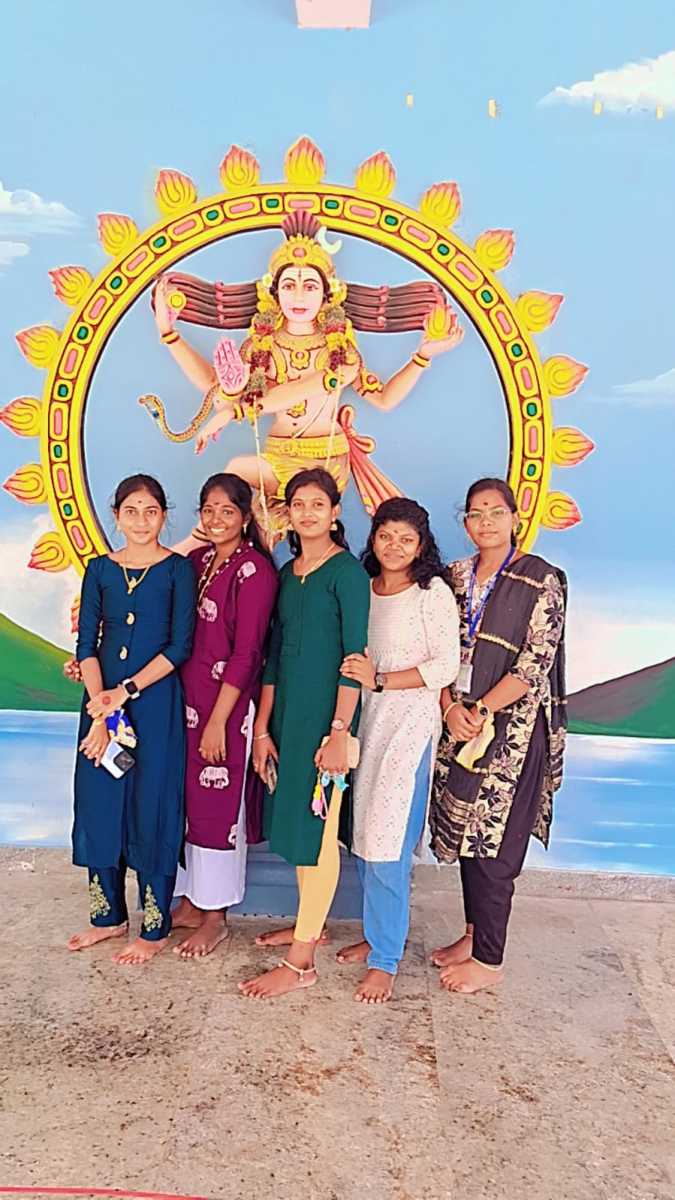
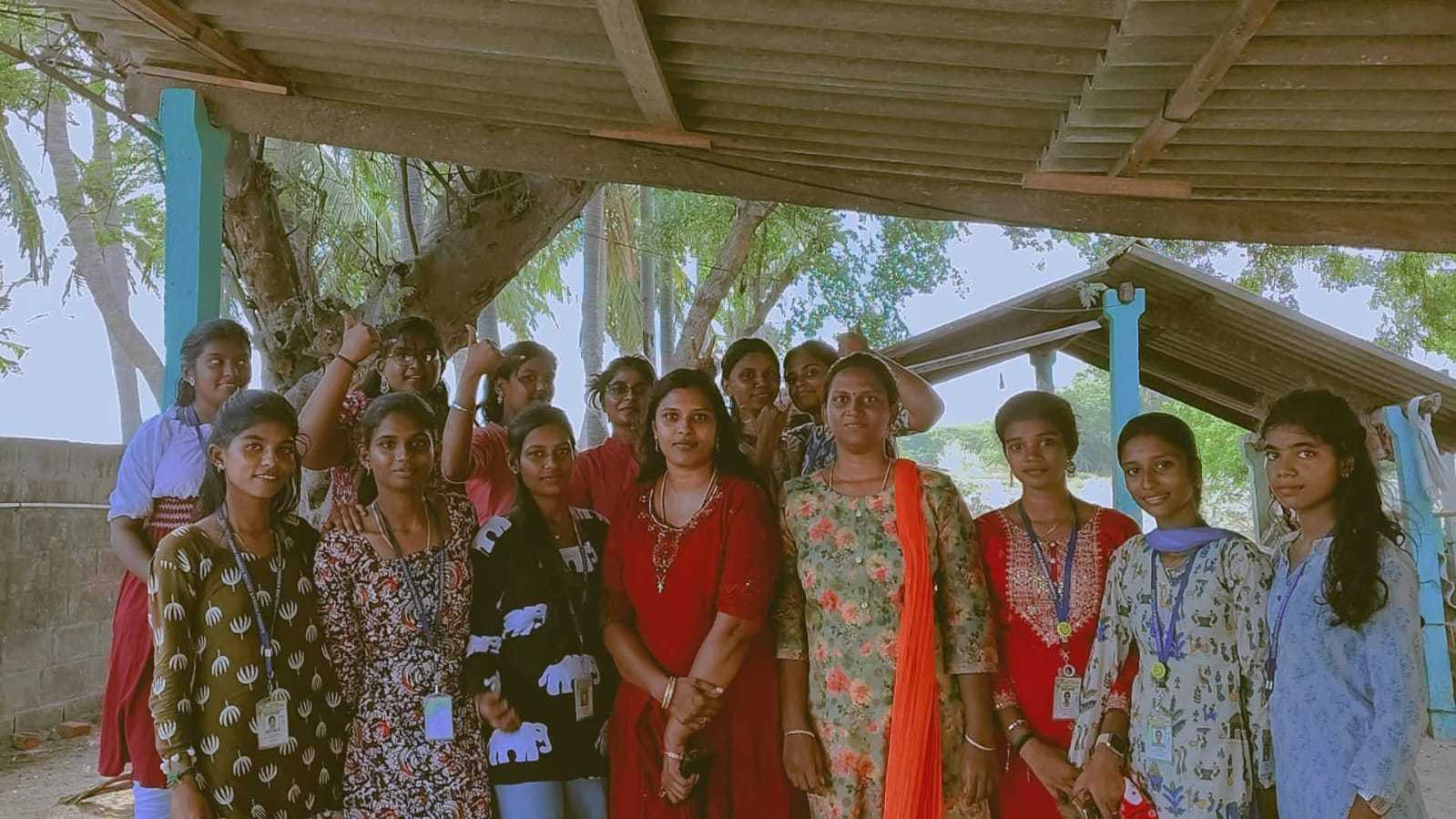
Around 50 first-year students from various departments actively participated in the programme.
The students showed interest throughout the visit and enjoyed exploring the places. Moreover, they gained useful information from both the Dr. A.P.J. Abdul Kalam Memorial and Pamban Bridge.
Their enthusiastic participation contributed to the success of the programme.
Role of Faculty Members
Faculty members accompanied the students and supported them throughout the journey.
Their cooperation helped the group complete the programme smoothly. In addition, they guided the students during the visits and helped maintain proper coordination.
Thus, the combined cooperation of faculty members and students contributed to a safe and meaningful educational experience.
Programme Outcomes
The Rameswaram Educational Visit provided several useful learning outcomes:
- Around 50 first-year students gained learning exposure outside the classroom
- Students learned about the life and achievements of Dr. A.P.J. Abdul Kalam
- The memorial visit highlighted the values of hard work, discipline and dedication
- Students learned about the historical importance of Pamban Bridge
- The visit created awareness about engineering and infrastructure
- Students gained exposure to history, science and technology
- The programme encouraged direct observation and practical learning
- The visit broadened the knowledge and outlook of the participants
- Students enjoyed an informative and memorable learning experience
As a result, the visit successfully connected classroom learning with real-world observation and experience.
Conclusion of the Rameswaram Educational Visit
The Rameswaram Educational Visit organized by the Department of English, Kamaraj Women’s College, gave students a memorable and informative learning experience.
The visit to the Dr. A.P.J. Abdul Kalam Memorial inspired students through the life and achievements of one of India’s respected scientists and former Presidents. Meanwhile, the visit to Pamban Bridge helped them appreciate its historical and engineering importance.
Moreover, the programme broadened students’ understanding of history, science, engineering and national development. The group returned safely to the college at 7.00 p.m. after completing the visit.
Overall, the programme successfully took learning beyond the classroom and gave the students valuable knowledge, practical exposure and an inspiring experience.