
Tree Plantation Programme Promotes Environmental Responsibility
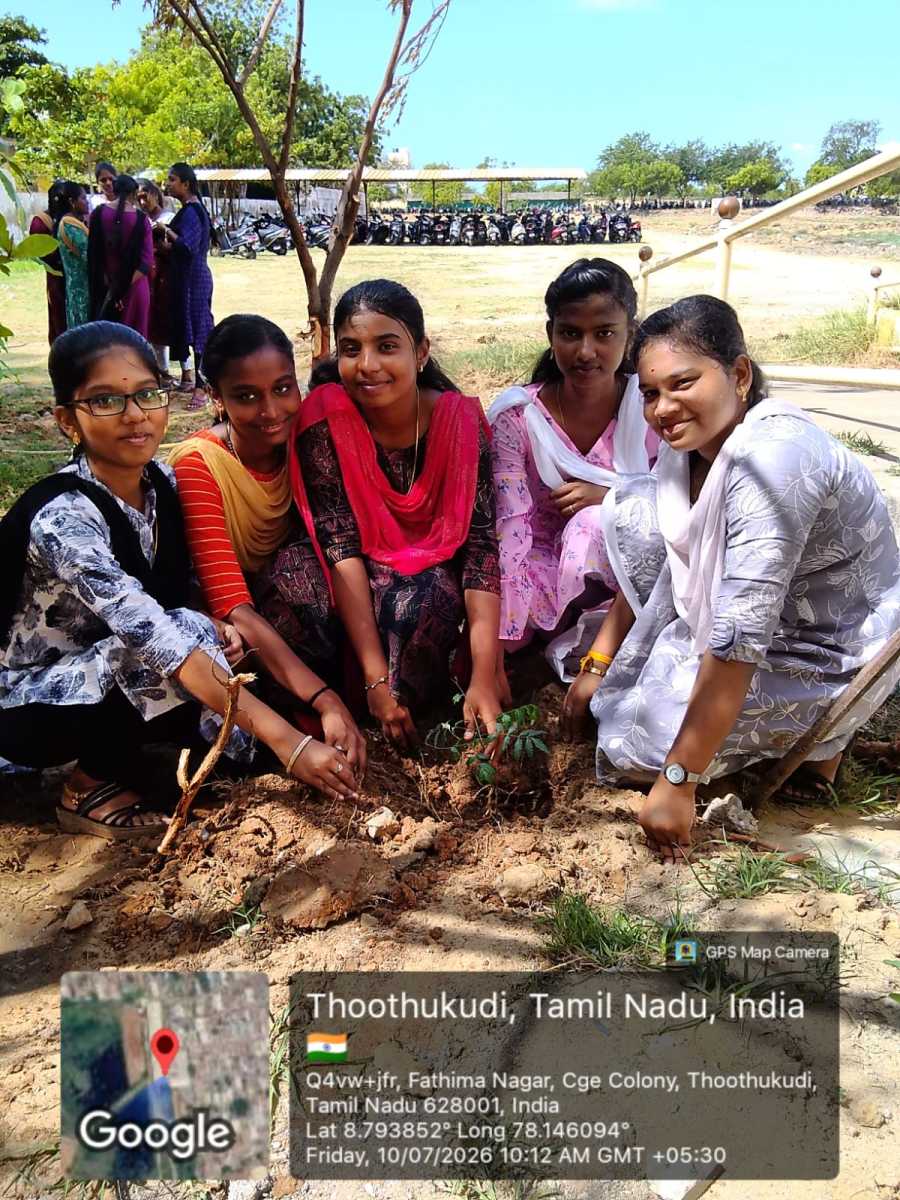
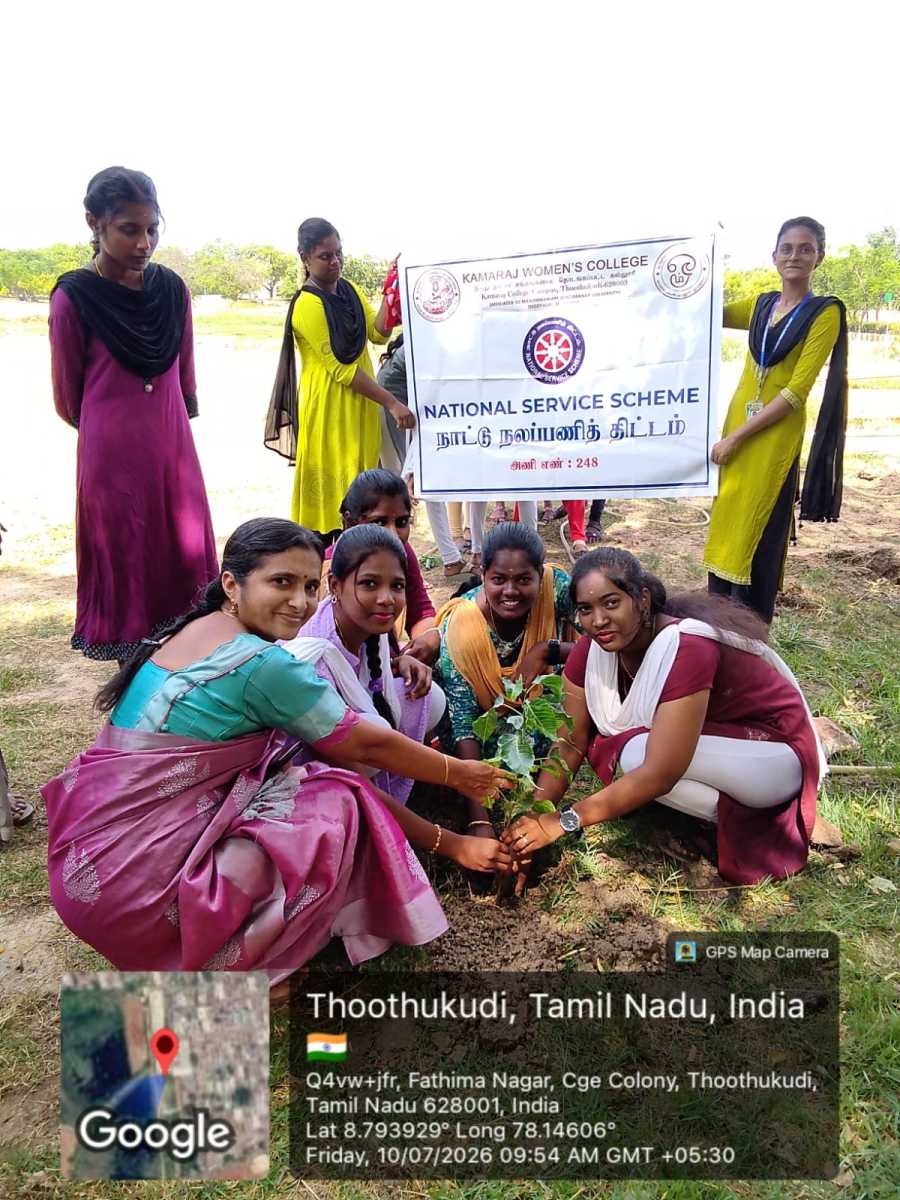
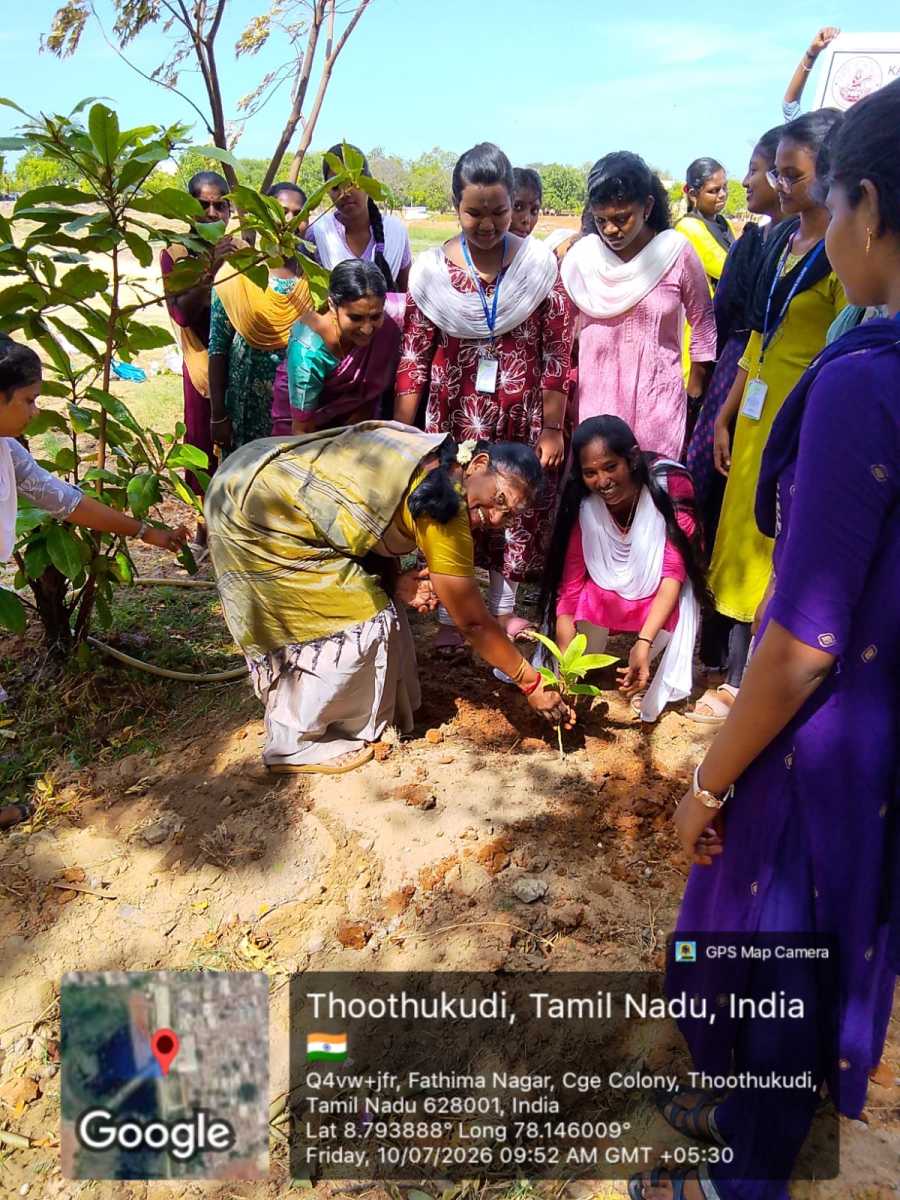
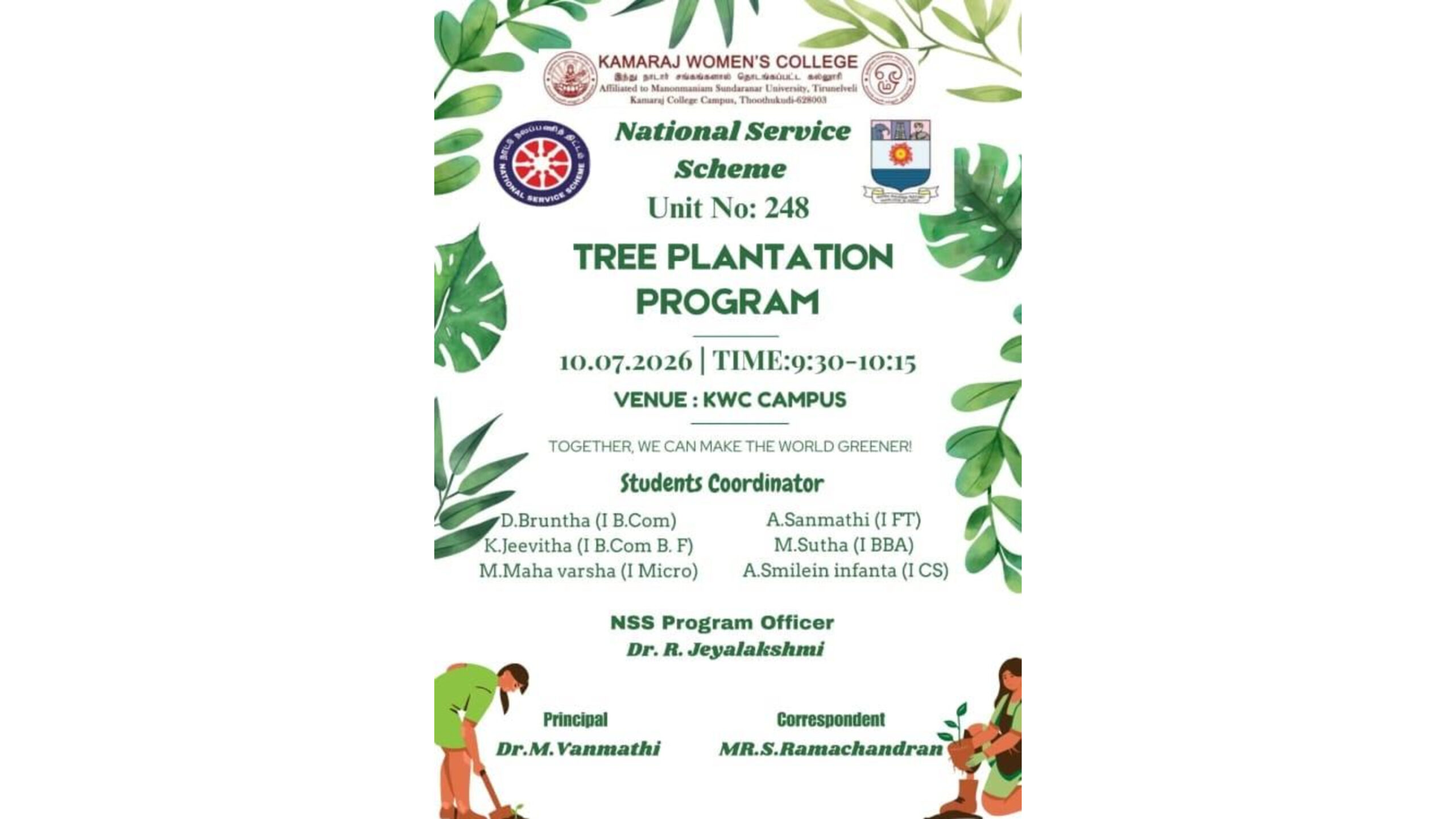
The Department of Business Administration, Kamaraj Women’s College, Thoothukudi, successfully organized a Tree Plantation Programme on 10 July 2026 from 9.30 a.m. to 10.15 a.m. on the KWC Campus. The programme was conducted to create awareness about environmental conservation, the importance of planting trees, and the role of students in promoting sustainable development.
The Tree Plantation Programme encouraged undergraduate students to understand the value of nature and inspired them to participate in activities that contribute to environmental protection. Moreover, the programme highlighted the importance of community participation in creating a greener and healthier future.
Objectives of the Tree Plantation Programme
The programme was organized to encourage environmental awareness and promote sustainable practices among students.
- Create awareness about environmental conservation
- Highlight the importance of tree plantation
- Promote biodiversity and ecological balance
- Encourage community participation in environmental activities
- Develop social responsibility among students
- Inspire youth to protect and preserve nature
Therefore, the programme motivated students to become responsible citizens who actively contribute to environmental sustainability.
Importance of Tree Plantation
The programme commenced with greetings from Kamaraj Women’s College, welcoming all participants. The session focused on the importance of planting trees and protecting natural resources for the well-being of present and future generations.
Students learned that trees play a vital role in maintaining ecological balance by improving air quality, reducing pollution, conserving water, and minimizing the effects of climate change. Furthermore, the session emphasized that planting trees is one of the simplest and most effective ways to protect the environment.
Environmental Awareness Session
The resource session explained how tree plantation contributes to a healthier ecosystem and a sustainable future.
The participants learned about:
- Environmental conservation
- Climate change mitigation
- Air quality improvement
- Water conservation
- Protection of natural resources
- Responsible environmental practices
Moreover, students were encouraged to adopt environmentally friendly habits and actively participate in green initiatives within their communities.
Community Engagement and Social Responsibility
The programme also highlighted the importance of community engagement in environmental protection. Students were informed about opportunities to participate in youth activities, environmental campaigns, and community service programmes that promote sustainable development.
The session emphasized that tree plantation initiatives:
- Strengthen community participation
- Promote environmental stewardship
- Encourage volunteerism
- Develop civic responsibility
- Support national environmental campaigns
Consequently, students understood that collective efforts can create a lasting positive impact on society and the environment.
Benefits of Planting Trees
The programme highlighted several environmental and social benefits of planting trees.
Students learned that tree plantation helps to:
- Create habitats for wildlife
- Support biodiversity
- Reduce carbon dioxide levels
- Improve air quality
- Prevent soil erosion
- Create a greener and healthier environment
Furthermore, the session encouraged students to plant and nurture trees as part of their contribution to environmental conservation.
Student Participation and Outcomes
The Tree Plantation Programme witnessed the enthusiastic participation of 50 students. They actively engaged in the awareness session and demonstrated keen interest in learning about environmental sustainability.
The programme enabled students to:
- Develop environmental awareness
- Understand the importance of biodiversity
- Recognize the benefits of tree plantation
- Strengthen social responsibility
- Promote sustainable living practices
- Encourage active community participation
As a result, participants became more committed to protecting nature and promoting environmental stewardship.
Conclusion
The Tree Plantation Programme was a meaningful and successful environmental initiative. The programme effectively created awareness about the importance of planting trees and inspired students to participate actively in environmental conservation activities.
Overall, the event strengthened students’ understanding of sustainable development and encouraged them to become responsible citizens dedicated to protecting nature. The programme concluded successfully with the enthusiastic participation of 50 students, making it a valuable step towards building a greener and healthier future.