
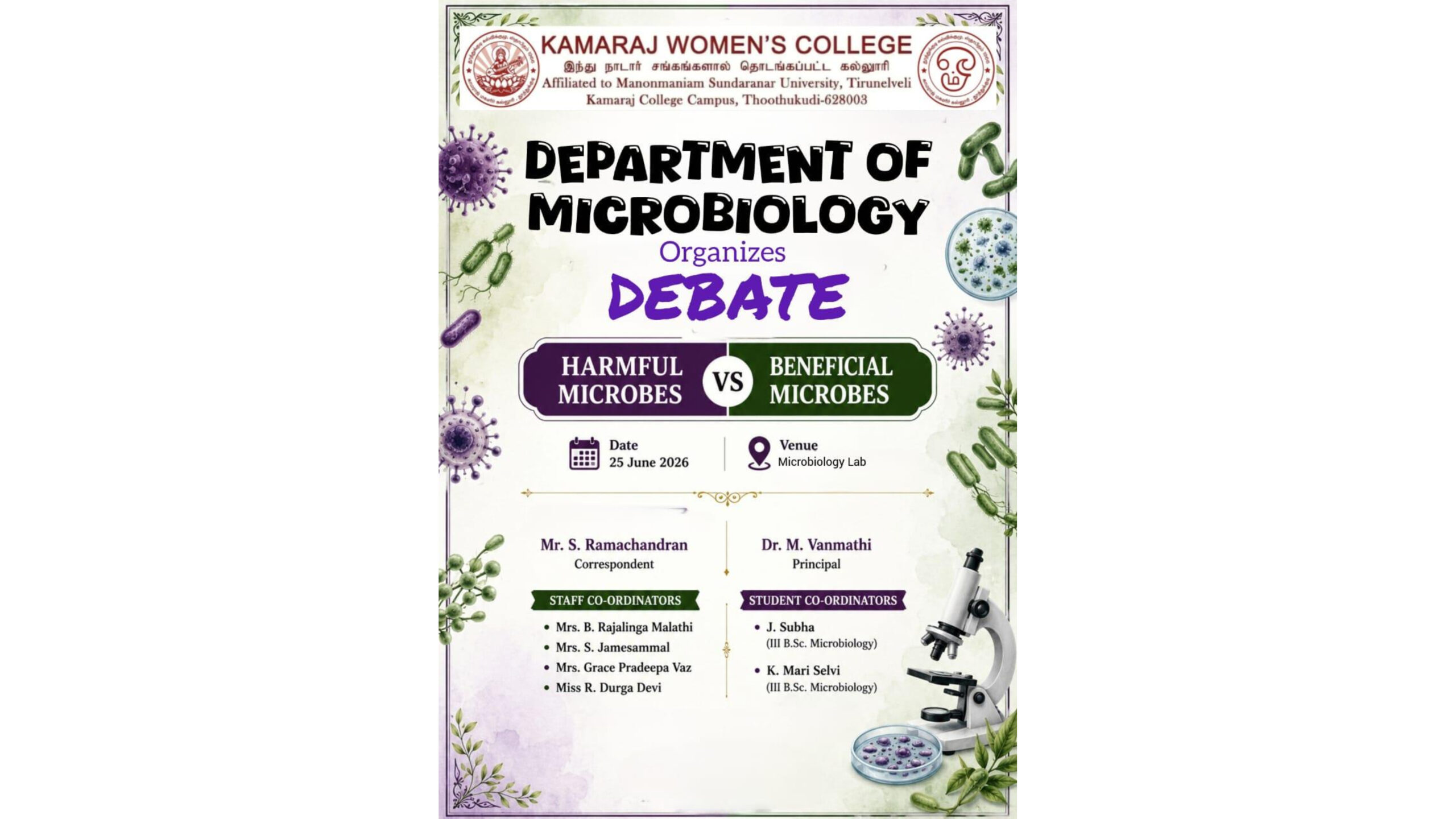
Powerful Highlights of Debate Competition on Microbes

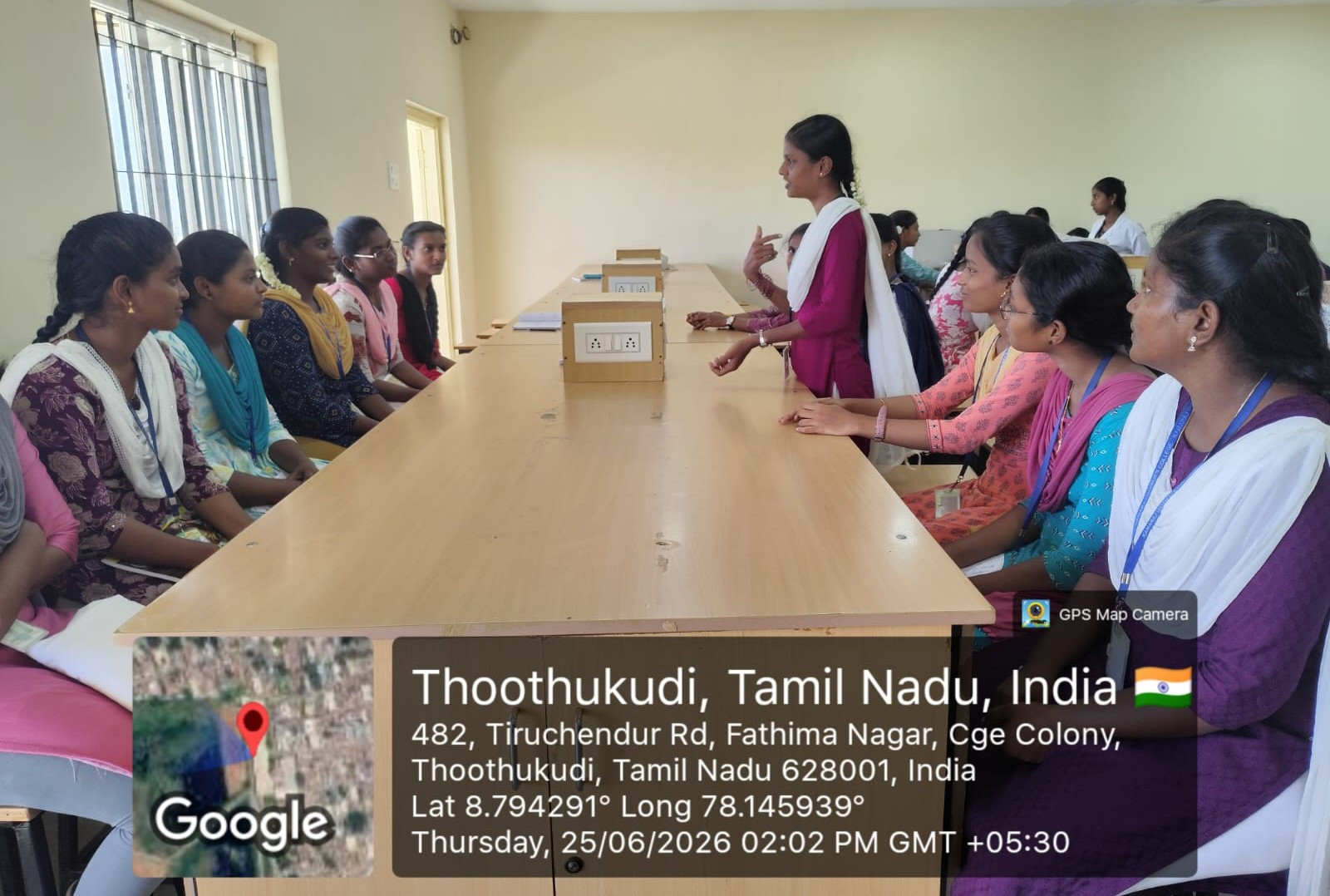
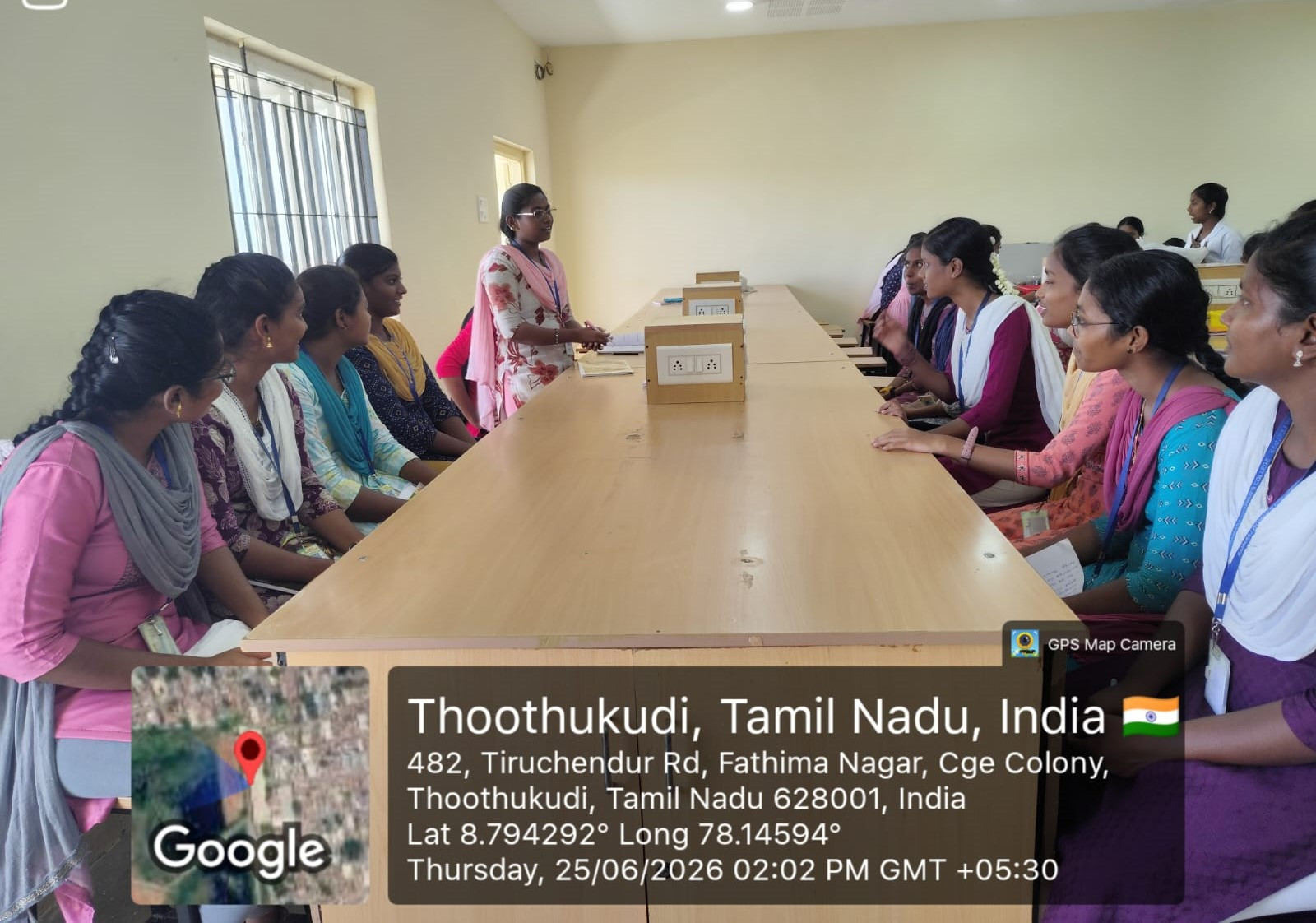
The Debate Competition provided an excellent platform for students to explore the diverse roles of microorganisms in health, agriculture, industry, and the environment. Moreover, the programme encouraged students to analyze scientific concepts from different perspectives and present evidence-based arguments with confidence.
Objectives of the Debate Competition
The primary objective of the Debate Competition was to promote scientific thinking and improve students’ communication skills through active learning.
- Enhance knowledge of microbiology
- Develop analytical and critical-thinking skills
- Improve communication and public speaking abilities
- Encourage evidence-based scientific discussion
- Promote teamwork and collaborative learning
- Build confidence in presenting scientific ideas
Therefore, the programme enabled students to apply classroom knowledge to real-world scientific issues.
Introduction to the Debate Topic
The programme began with an introduction highlighting the importance of microorganisms in daily life. The audience was introduced to the significant roles played by microbes in human health, agriculture, biotechnology, food production, environmental conservation, and industrial development.
Furthermore, the session emphasized that microorganisms possess both beneficial and harmful characteristics, making them an important subject for scientific discussion.
Team Presentation: Harmful Microbes
One team presented arguments supporting the viewpoint of Harmful Microbes. The participants explained how pathogenic microorganisms affect human health, agriculture, and society.
Their presentation covered several important topics, including:
- Bacterial, viral, fungal, and parasitic diseases
- Food contamination and spoilage
- Agricultural crop losses
- Environmental pollution caused by harmful microbes
- Importance of hygiene and sanitation
- Role of vaccination and disease prevention
Moreover, the speakers emphasized the need for public awareness, preventive healthcare, and effective disease control measures to reduce the impact of harmful microorganisms.
Team Presentation: Beneficial Microbes
The opposing team highlighted the numerous benefits offered by Beneficial Microbes. Their presentation focused on the indispensable role of microorganisms in improving human life and protecting the environment.
The participants discussed:
- Food fermentation processes
- Production of antibiotics and vaccines
- Manufacture of enzymes and probiotics
- Biofertilizers and sustainable agriculture
- Waste management and bioremediation
- Nutrient recycling and ecological balance
Furthermore, the students explained how beneficial microorganisms contribute significantly to biotechnology, healthcare, environmental sustainability, and industrial development.
Interactive Debate Session
The Debate Competition became highly interactive as both teams confidently presented scientific facts, logical arguments, and practical examples to support their viewpoints.
The rebuttal rounds encouraged students to critically evaluate opposing opinions and defend their arguments using scientific evidence. Consequently, participants improved their reasoning abilities, communication skills, and confidence while presenting before an audience.
The debate also encouraged healthy academic discussion and promoted scientific inquiry among students.
Faculty Appreciation
Faculty members observed the proceedings and appreciated the participants for their excellent preparation, enthusiasm, and subject knowledge.
They commended the students for presenting well-organized arguments supported by scientific facts and practical examples. Furthermore, the faculty appreciated the participants for confidently communicating complex microbiological concepts in a clear and engaging manner.
Their valuable feedback motivated students to continue developing their academic and presentation skills.
Educational Impact of the Debate Competition
The programme created meaningful awareness about the dual nature of microorganisms and their impact on society.
Students gained a deeper understanding that while certain microbes cause diseases and economic losses, many others play an essential role in healthcare, agriculture, biotechnology, environmental conservation, and industrial production.
The programme also promoted:
- Scientific reasoning and critical thinking
- Effective communication skills
- Public speaking confidence
- Collaborative learning
- Evidence-based decision making
- Application of microbiological concepts
Therefore, the competition successfully bridged theoretical knowledge with practical scientific understanding.
Outcomes of the Debate Competition
The Debate Competition successfully achieved its educational objectives and enhanced students’ overall academic development.
- Improved understanding of microbiology
- Enhanced analytical and logical thinking
- Strengthened communication skills
- Developed scientific reasoning abilities
- Built confidence in public speaking
- Promoted teamwork and healthy academic competition
Moreover, the programme reflected the department’s commitment to innovative teaching methods and student-centered learning.
Conclusion
The Debate Competition on “Harmful Microbes vs Beneficial Microbes” was highly informative, interactive, and intellectually stimulating. The programme provided students with an excellent opportunity to deepen their understanding of microbiology while improving their communication, presentation, and critical-thinking skills.
Overall, the event successfully promoted scientific awareness, collaborative learning, and academic excellence. The active participation of the students and the guidance of the faculty members made the programme a memorable and enriching educational experience.