
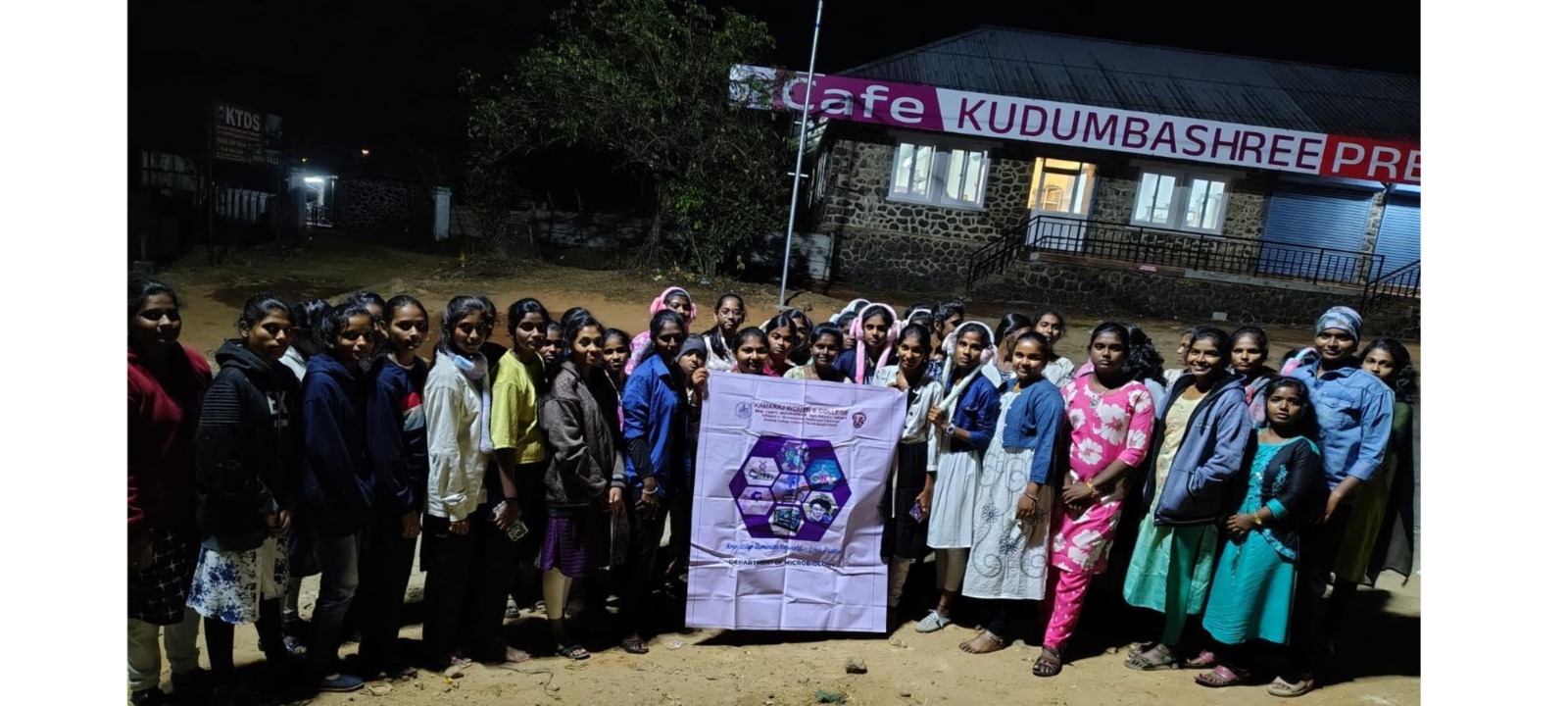
Inspiring Educational Trip to Vagamon by Microbiology Students
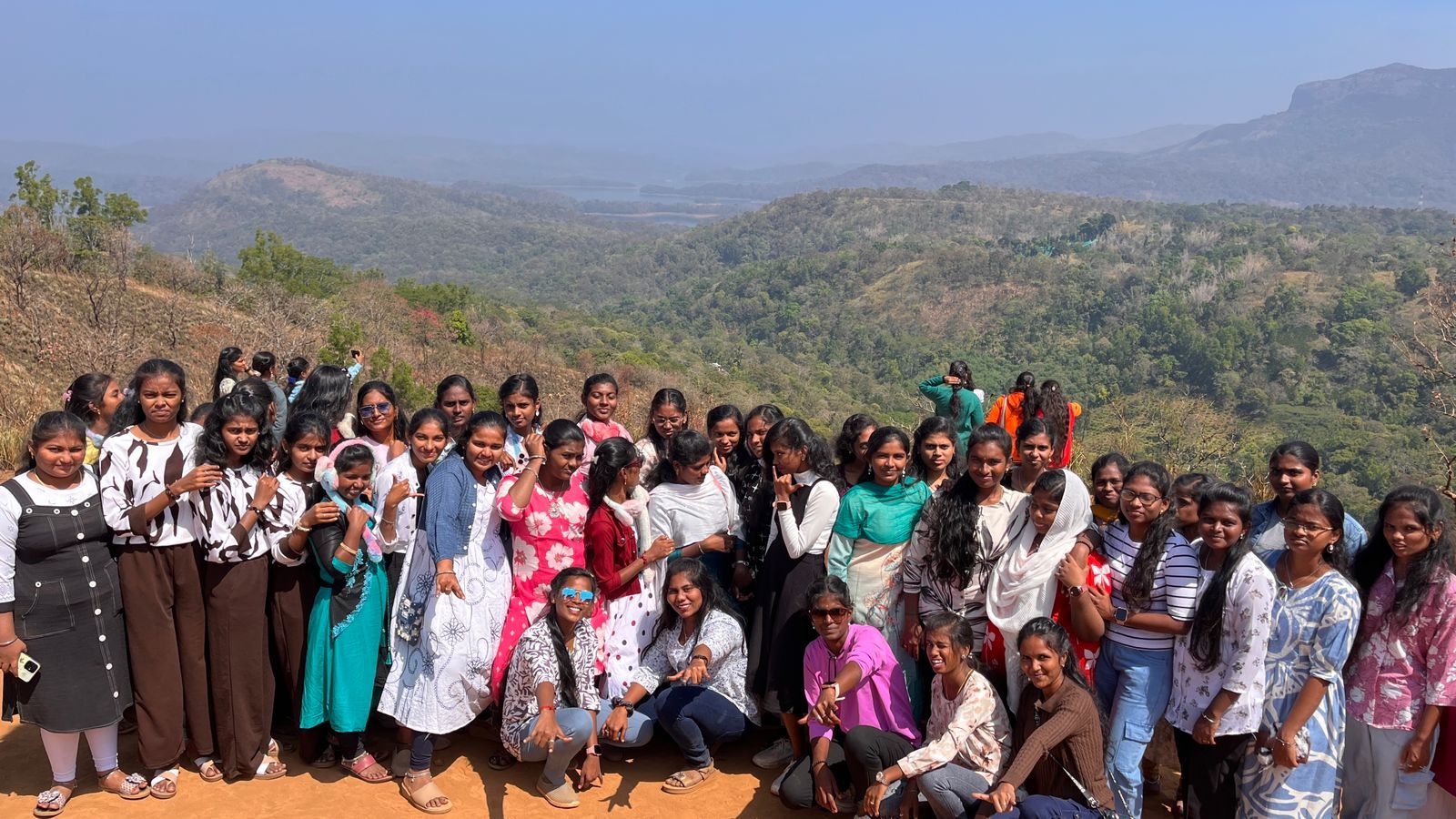
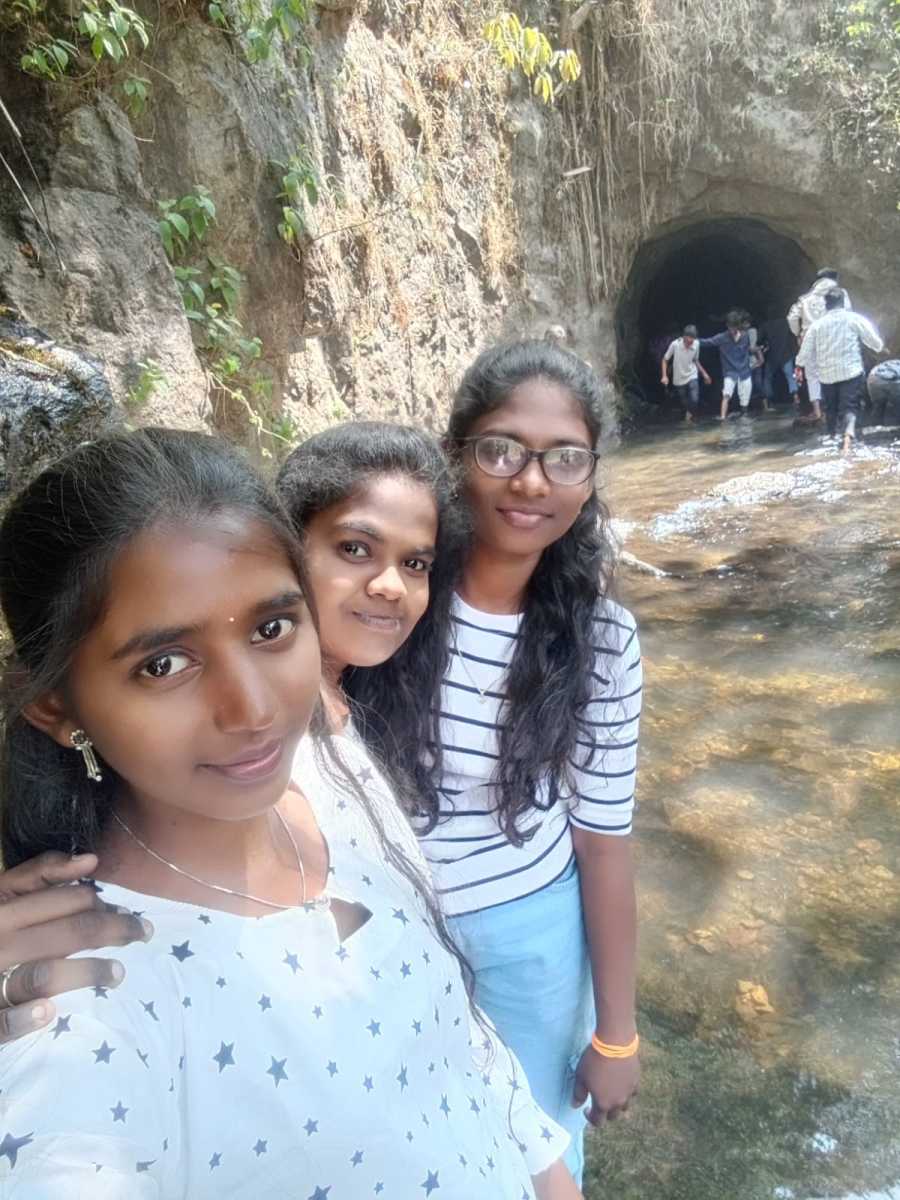
Educational Trip to Vagamon
The Educational Trip to Vagamon organized by the Department of Microbiology, Kamaraj Women’s College, Thoothukudi, was successfully conducted on 30th January 2026. Firstly, the trip aimed to provide students with hands-on learning experiences beyond the classroom. At the same time, it offered an opportunity to explore the natural beauty of Kerala. As a result, the journey became a perfect blend of academic enrichment and adventure.
Objectives of the Educational Trip
The primary objectives of the Educational Trip to Vagamon were to strengthen practical knowledge, promote field-based learning, and encourage environmental awareness. Specifically, the trip aimed to:
- Enhance practical understanding of microbiology concepts
- Provide exposure to natural ecosystems
- Encourage sample collection and field analysis
- Promote teamwork and experiential learning
- Create memorable educational experiences
Therefore, the trip served as both an academic and personal development initiative.
Journey and Travel Experience
Initially, the students embarked on their journey early in the morning, filled with excitement and curiosity. As they traveled, the scenic landscapes of Kerala unfolded before them, offering refreshing views of mist-covered hills and lush greenery. Meanwhile, faculty members guided the students on safety measures and academic objectives. Consequently, the journey itself became an engaging learning experience.
Visit to Idukki Dam and Tunnel
One of the major highlights of the Educational Trip to Vagamon was the visit to the Idukki Dam and the nearby tunnel. During this visit, students observed the structure and functioning of the dam. At the same time, they gained insights into water resource management and environmental sustainability.
- Observation of water storage and flow systems
- Understanding the ecological importance of dams
- Collection of water samples for microbial analysis
As a result, students could connect classroom theories with real-world infrastructure and environmental applications.
Exploration of Murugan Hills and Field Sampling
Subsequently, the students visited the scenic Murugan Hills, where they conducted field-based learning activities. During this phase, students collected soil and water samples from different locations. Moreover, they observed the local flora and fauna, gaining firsthand knowledge of microbial habitats.
- Soil sample collection for microbial study
- Water sampling from natural sources
- Observation of environmental factors affecting microbial growth
Thus, the trip strengthened students’ understanding of applied microbiology and environmental science.
Hands-on Learning and Academic Enrichment
Furthermore, the collected samples were intended for laboratory analysis. Through this process, students learned how to handle samples, maintain sterility, and document observations accurately. Consequently, they developed essential research skills that are vital in microbiology.
- Sample handling and preservation techniques
- Documentation and labeling of specimens
- Application of theoretical concepts in real environments
As a result, the trip enhanced students’ scientific curiosity and analytical thinking.
Adventure Park Visit and Recreational Activities
In addition to academics, the students enjoyed an adrenaline-packed visit to a nearby adventure park. Here, they participated in various thrilling rides and activities. Moreover, these recreational experiences helped students relax and bond with their peers. Therefore, the trip balanced learning with enjoyment.
- Participation in adventure rides
- Team-building activities
- Stress relief and recreational engagement
Consequently, students returned refreshed and motivated.
Student Engagement and Learning Outcomes
Throughout the trip, students actively participated in all activities. Not only did they gain academic knowledge, but also they developed teamwork, communication, and leadership skills. In addition, the trip fostered a deeper appreciation for nature and environmental conservation.
- Improved practical understanding of microbiology
- Enhanced teamwork and collaboration
- Increased environmental awareness
- Stronger connection between theory and practice
Thus, the trip achieved its educational and developmental objectives.
Conclusion
In conclusion, the Educational Trip to Vagamon proved to be a highly enriching and memorable experience for the students of the Department of Microbiology, Kamaraj Women’s College, Thoothukudi. Through field visits, sample collection, academic discussions, and recreational activities, students gained holistic learning exposure. As a result, the trip successfully bridged the gap between theoretical knowledge and real-world applications.
Moreover, the experience encouraged students to pursue scientific exploration with greater enthusiasm. Therefore, the department looks forward to organizing more such educational trips in the future to promote experiential learning and academic excellence.
🔗 Useful Links
Internal Link:
Kamaraj Women’s College – Official Website
External Links:
Kerala Tourism Official Website
India Environment and Ecology Data